
Pricing
How Much Does It Cost to Ship a Car?
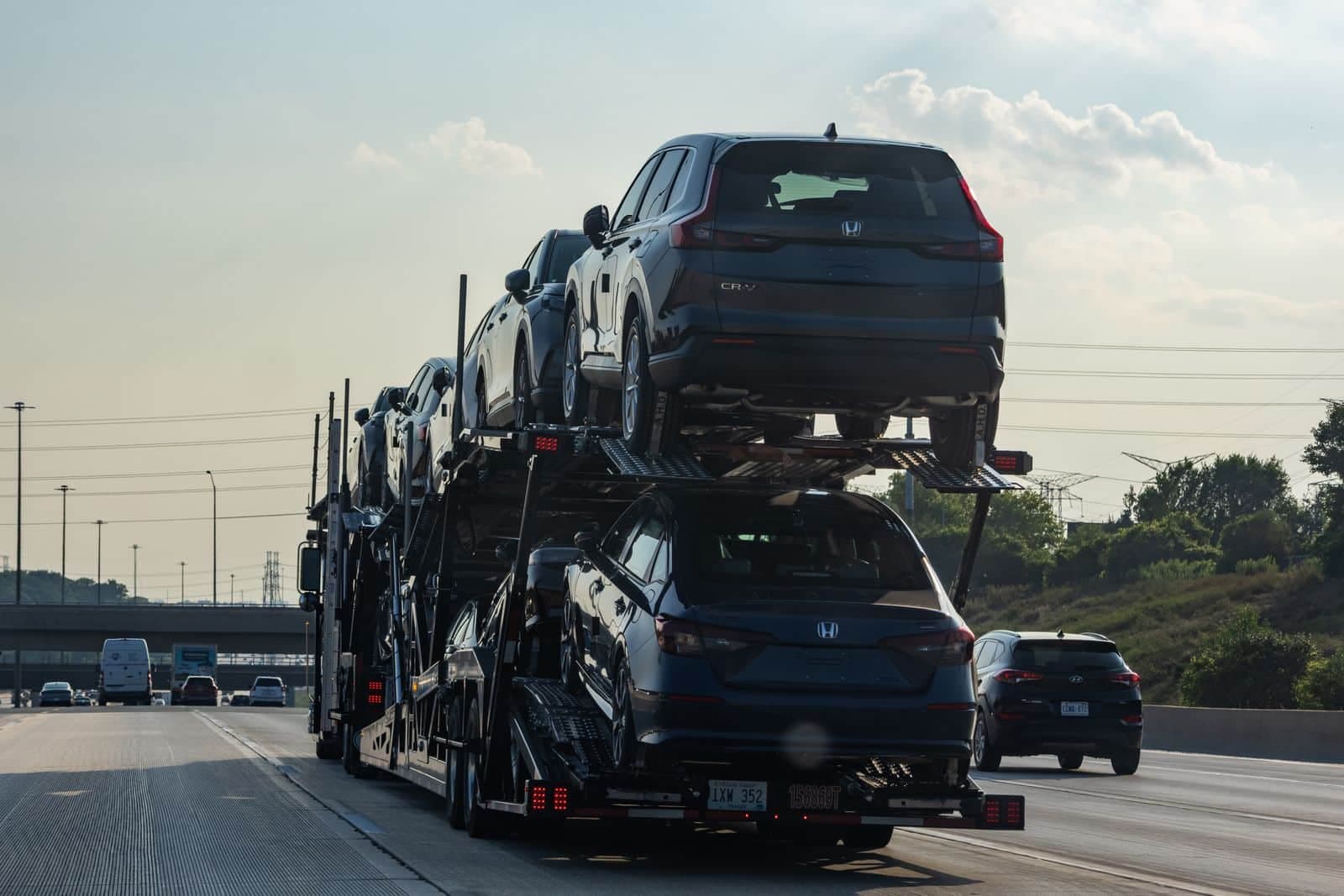
Most sedans ship for $500–$2,000 on an open carrier. Enter your route and vehicle for a range on your exact addresses, then get a firm quote from a licensed carrier.
- No booking fee
- No deposit to us
- Price locked before dispatch
888-706-8784Specialists answer 7 days a week
Get your exact quote
Compare quotes from licensed, bonded carriers.
- 1. Route
- 2. Vehicle
- 3. Contact
No obligation · Takes 60 seconds · We never sell your data
- Insured carriers
- 1–5 day pickup
- No deposit to us
- Insured up to $100k+ per vehicle*
- Door-to-door pickup & delivery
- No upfront payment to us
- Real-time tracking updates
Typical prices
Car shipping cost by distance
Running sedan, flexible pickup window. Ranges come from carrier quotes received on these lanes and are re-checked each season. For your exact addresses, use the calculator.
| Distance | Open carrier | Enclosed carrier | Transit |
|---|---|---|---|
| Under 300 miles | $500 – $650 | $725 – $950 | 1–2 days |
| 300–600 miles | $525 – $725 | $775 – $1,050 | 1–3 days |
| 600–1,000 miles | $700 – $1,000 | $1,000 – $1,450 | 2–4 days |
| 1,000–1,500 miles | $900 – $1,250 | $1,300 – $1,800 | 3–5 days |
| 1,500–2,000 miles | $1,100 – $1,550 | $1,600 – $2,250 | 4–7 days |
| 2,000–2,500 miles | $1,300 – $1,800 | $1,900 – $2,600 | 5–8 days |
| Over 2,500 miles | $1,450 – $2,000 | $2,100 – $2,950 | 7–10 days |
- Under 300 milesOpen carrier$500 – $650Enclosed carrier$725 – $950Transit1–2 days
- 300–600 milesOpen carrier$525 – $725Enclosed carrier$775 – $1,050Transit1–3 days
- 600–1,000 milesOpen carrier$700 – $1,000Enclosed carrier$1,000 – $1,450Transit2–4 days
- 1,000–1,500 milesOpen carrier$900 – $1,250Enclosed carrier$1,300 – $1,800Transit3–5 days
- 1,500–2,000 milesOpen carrier$1,100 – $1,550Enclosed carrier$1,600 – $2,250Transit4–7 days
- 2,000–2,500 milesOpen carrier$1,300 – $1,800Enclosed carrier$1,900 – $2,600Transit5–8 days
- Over 2,500 milesOpen carrier$1,450 – $2,000Enclosed carrier$2,100 – $2,950Transit7–10 days
Running sedan, flexible pickup window. SUVs add about 12%, pickups 20%, inoperable vehicles about $150.
What car shipping costs, and why
Car shipping is priced by the space your car takes on a truck and the distance that truck has to carry it, adjusted for how many trucks want the load that week. Everything else on this page follows from that. A sedan on an open carrier, the standard shipment, runs $500 to $750 under 500 miles, $850 to $1,350 for the 1,000-to-1,500-mile trips that make up most of the market, and $1,400 to $2,000 coast to coast. An enclosed trailer carries a third as many cars, so it costs 40 to 60 percent more. An SUV or a pickup takes more deck and weighs more, so it adds 12 to 20 percent. A car that will not start needs a winch, about $150. A lane in its busy season, where every truck is full, sits at the top of its range; the same lane in its quiet season sits at the bottom.
The pages below take each of these apart. The calculator gives a range for any trip in a few seconds. The per-mile page shows why the rate falls as the distance grows. The cross-country, Florida and Texas pages price the lanes people ask about most. And the how-to-save page lists the things that actually lower the number, which are mostly about timing and flexibility rather than haggling. Every figure comes from the same distance bands the quote form uses, and the firm price comes from a carrier already running your route.

What car shipping costs per mile, and why the number keeps changing
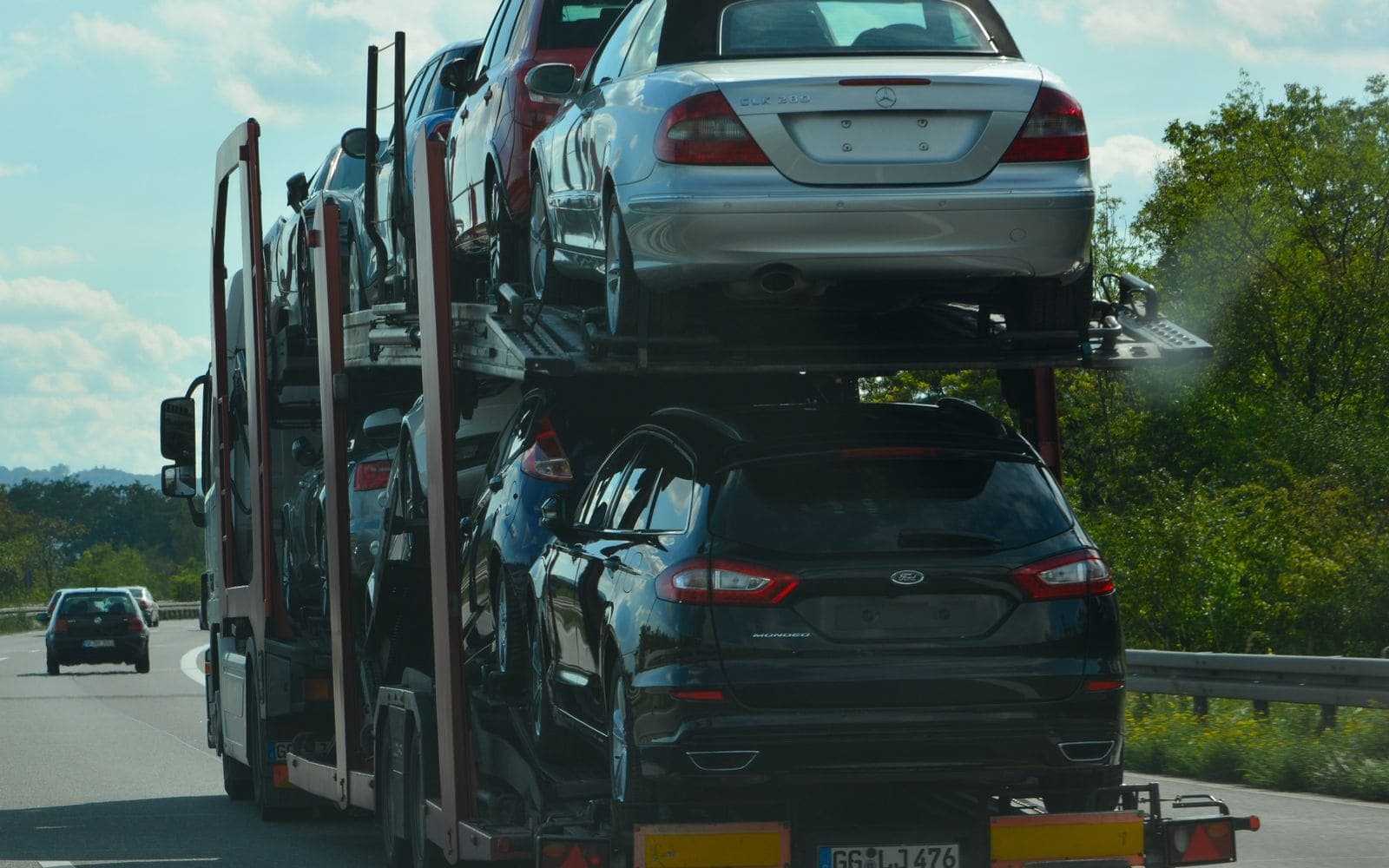
Ask a carrier what they charge per mile and you will get a shrug: they price loads, not miles. But per-mile is still the most useful way to understand why a 300-mile trip and a 2,700-mile trip can both be quoted at what looks like the wrong number. The rate falls steadily with distance, from around $1.80 a mile on short regional hops to about $0.55 a mile on a coast-to-coast run, because every shipment carries the same fixed costs for loading, unloading, dispatch and paperwork no matter how far the car rides.
The table above shows the bands carriers actually work in, with the open and enclosed ranges for a running sedan and the transit window for each. Read it as a curve rather than a menu: the transition between bands is gradual, and a 950-mile trip prices much like a 1,050-mile one.
Two things push a lane off the curve. Corridors with heavy truck traffic, such as I-95 from the Northeast to Florida or I-10 across the south, price at or below the band because carriers are competing for loads. Pickups or deliveries well away from an interstate, in mountain regions or on rural routes, price above it because the truck has to go out of its way. The calculator applies the curve; a specialist applies the lane.
Using the per-mile rate to check a quote
The best use of per-mile pricing is as a reasonableness test. Take the quote you have, divide it by the road miles between the two addresses, and compare the result with the band in the table. A figure at or slightly below the band on a busy corridor is normal. A figure well above it deserves a question, which is usually answered by an unusual pickup location, a larger vehicle, a fixed date or peak season. A figure far below the band, especially from a company you have not spoken to, is the warning sign: it is typically a load posted at a price carriers will not take, and it gets raised once you have committed.
To bring your own per-mile number down, use the levers that actually move it: give a pickup window of a few days rather than a single date, ship in the quieter months where your plans allow, choose open transport for a daily driver, and if you are moving two vehicles between the same addresses, ship them together for a lower rate on each.
What moves the price
The six things that set your price
Distance and the per-mile curve
The longer the trip, the lower the rate per mile, because loading, unloading and the driver's two stops cost the same whether the car goes 300 miles or 3,000. A 500-mile trip is $1 or more a mile; coast to coast is 50 to 70 cents.
Vehicle size and weight
Trucks are limited by deck length and by weight at the scale. A compact sedan is the baseline; a mid-size SUV adds about 12 percent, a full-size pickup or a large SUV 20 percent, and a lifted truck or a dually needs a specific trailer and a specific quote.
Open or enclosed
An open carrier holds eight to ten cars and an enclosed trailer two to six, so each car on the enclosed truck bears more of the trip. Expect 40 to 60 percent more for enclosed, narrower on short regional lanes and wider coast to coast.
Season and lane demand
Carriers fill trucks from the highest-paying load down. Snowbird lanes peak October through December southbound and March through May northbound; every lane is busy June through August. The quiet months on any lane are the cheap ones.
Pickup and delivery locations
A car near an interstate in a metro is on a truck's route; a car two hours up a county road is a detour that fewer drivers will take, so it waits longer and costs more. A meeting point on the highway fixes both.
Running condition and flexibility
A car that starts and drives loads in minutes; one that does not needs a winch and a surcharge. A pickup window of three to five days matches many more trucks than a single fixed date, and the difference is often $100 or more.
Vehicle types
Price by vehicle type
How each vehicle class changes the price against a standard sedan on the same lane.
Sedans and coupes
Baseline price
SUVs and crossovers
About 12% more
Pickup trucks
About 20% more
Vans and minivans
About 25% more
Motorcycles
Crated or strapped, from 20% less
Classic and exotic
Enclosed recommended
Electric vehicles
Ship at 30–50% charge
Inoperable
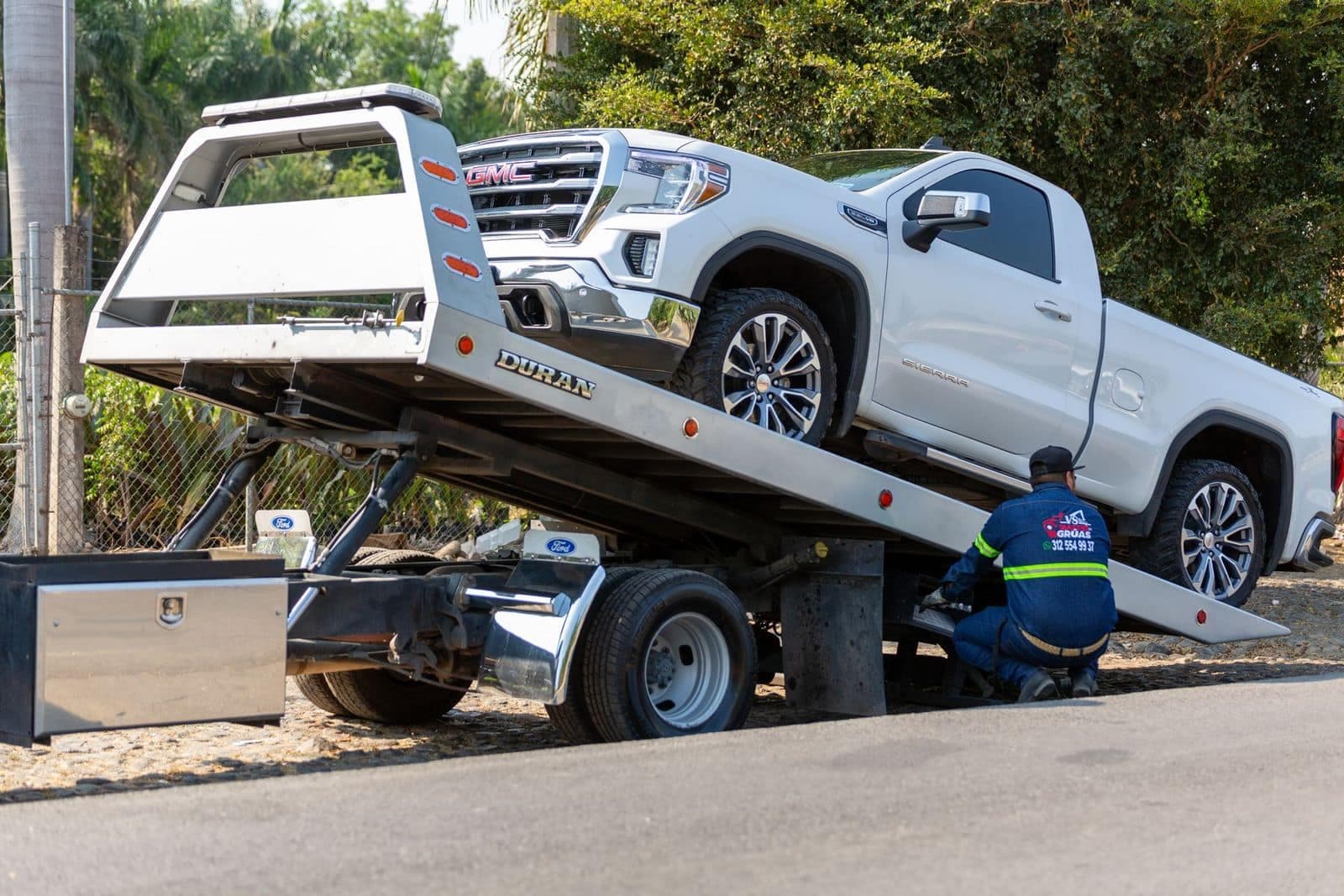
Winch loading, about $150 more
Tools and guides
Work out your own number
Per-state cost tables live on each state page; corridor pricing on the cross-country service page.
Routes
Live ranges on the busiest lanes
Real distances, current transit windows and the low end of the open-carrier range. Every route page has a full price table by vehicle.
New York to Florida
- Distance
- 1,200 mi
- Transit
- 3–5 days
- Open from
- $900
California to Texas
- Distance
- 1,500 mi
- Transit
- 3–6 days
- Open from
- $1,000
Illinois to Florida
- Distance
- 1,250 mi
- Transit
- 3–5 days
- Open from
- $950
New Jersey to Florida
- Distance
- 1,150 mi
- Transit
- 3–5 days
- Open from
- $875
California to New York
- Distance
- 2,790 mi
- Transit
- 7–10 days
- Open from
- $1,450
Michigan to Florida
- Distance
- 1,250 mi
- Transit
- 3–5 days
- Open from
- $950
Texas to Florida
- Distance
- 1,100 mi
- Transit
- 3–5 days
- Open from
- $850
Illinois to Arizona
- Distance
- 1,750 mi
- Transit
- 4–7 days
- Open from
- $1,100
Questions
Car shipping cost questions
Not covered here? A specialist can answer route-specific questions in a couple of minutes.
888-706-8784For a running sedan on an open carrier, $500–$750 under 500 miles, $850–$1,350 for 500–1,500 miles and $1,400–$2,000 coast to coast. Enclosed adds 40–60%; SUVs and pickups 12–20%; a non-running car about $150.
It falls with distance. Short trips run $1 or more a mile because loading and unloading are fixed costs; 1,000-mile trips run about 80 cents; coast to coast runs 50–70 cents. The per-mile page has the full table.
Because some are quoting the price carriers accept and some are quoting a number to win the booking. Compare any quote to the range for your lane on this site; a price far below it usually goes up after you book.
Not from us. The price your specialist confirms is the whole price and is written on the bill of lading. Surcharges exist only for things you would know about: a car that will not start, oversized tires, a lift kit, more than about 100 pounds of belongings.
On snowbird lanes, late February through April southbound and October through December northbound. Everywhere else, November through February apart from the holiday weeks. Flexible dates and a three-day pickup window save money in any month.
Nothing to us. Some carriers ask for a portion by card when the truck is assigned; the balance goes to the driver at delivery by cash, cashier's check or card, as agreed at booking.
It is a range built from the same distance bands carriers use. The firm price comes from a carrier already running your lane and depends on your exact addresses, the vehicle and the week's demand; most land inside the range.
Roughly $1.50–$2.00 per mile under 300 miles, $0.90–$1.20 for 500–1,000 miles, $0.70–$0.90 for 1,000–1,500 miles and $0.55–$0.70 on coast-to-coast runs of 2,500 miles or more, for a running sedan on an open carrier. Enclosed transport adds 40–60% to each figure.
Not to customers. They quote a total for the load based on the lane, the season and how well the car fits their truck. Per-mile is a useful way to compare quotes and spot outliers, not the way prices are built.
Want the exact number for your car?
Sixty seconds in the quote form and a specialist calls with a firm price from a licensed carrier within business hours.
Average response time under 5 minutes during business hours (Mon–Sun 7am–9pm ET).