
California to Texas
- Distance
- 1,500 mi
- Transit
- 3–6 days
- Open from
- $1,000
Service
From $550 · $850–$1,350 for 500–1,500 miles · Pickup in 1–5 days
Compare quotes from licensed, bonded carriers.
No obligation · Takes 60 seconds · We never sell your data
A permanent change of station is a move on a schedule you did not pick, to a place you may never have seen, with a report date that does not slide. Military car shipping is the service for the vehicle the government is not moving for you: the second car on a CONUS transfer, the family car when one spouse reports early, the motorcycle, or the car that needs to be at the new base before the household goods arrive.
Who uses it: service members and families moving between installations, reservists reporting for extended duty, families relocating around a deployment, and veterans moving after separation. The carriers we assign to these shipments run the lanes between the big installations every week and know the practical side: gate access rules, where a car hauler can and cannot stop near a base, and the fact that dates tied to orders are not negotiable.
This page covers what the government does and does not ship, what the trip costs on the lanes military families use most, how delivery near an installation works, and what to keep for your travel claim. The general process is the same as any door-to-door shipment; the difference is in the planning around orders.
Benefits
Drivers assigned to PCS shipments run between major installations regularly and understand gate access, sponsor requirements and where to meet outside the fence.
Report dates change. Reschedule before dispatch at no charge, and your specialist works with the carrier if the truck is already assigned.
Any adult you name can hand over or receive the car, so an early report or a deployment does not hold up the shipment.
You get the signed bill of lading and the carrier's invoice, the documents a finance office asks for when a vehicle move is reimbursable.
Family car and second car or motorcycle on the same load between the same addresses price lower per vehicle and arrive together.
Orders can be cancelled or amended. Until a carrier is dispatched, so can the shipment, at no cost.
Pricing
Typical ranges for a running sedan. Enclosed adds 40–60%; SUVs and pickups 12–20%; peak months 5–10%.
| Distance | Open carrier | Enclosed carrier | Transit |
|---|---|---|---|
| Short (under 500 miles) | $500 – $750 | $725 – $1,100 | 1–3 days |
| Medium (500–1,500 miles) | $850 – $1,350 | $1,225 – $1,950 | 2–5 days |
| Cross-country (1,500+ miles) | $1,400 – $2,000 | $2,025 – $2,900 | 5–10 days |
Running sedan, flexible pickup window. SUVs add about 12%, pickups 20%, inoperable vehicles about $150.
How it works
Three steps, one signature at each end, and a specialist on the phone throughout.

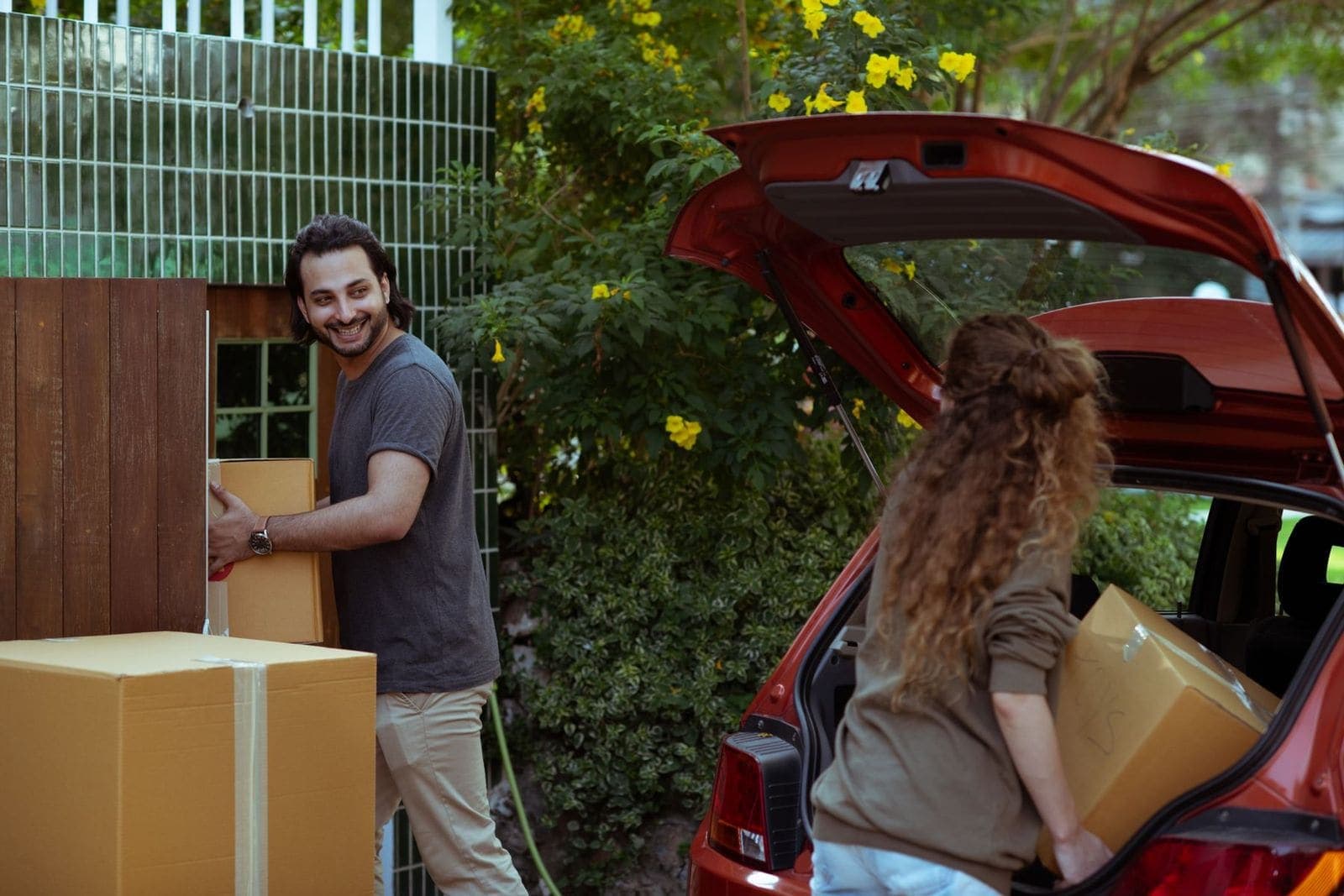
Enter the current and new duty station addresses, or the nearest cities, and the vehicle. Mention the report date in the notes. The estimate shows the lane's range. Submit, and carriers running the lane see the request; a specialist calls to confirm prices and to check whether pickup or delivery needs to be timed around orders.
No deposit and no obligation until you choose a carrier.
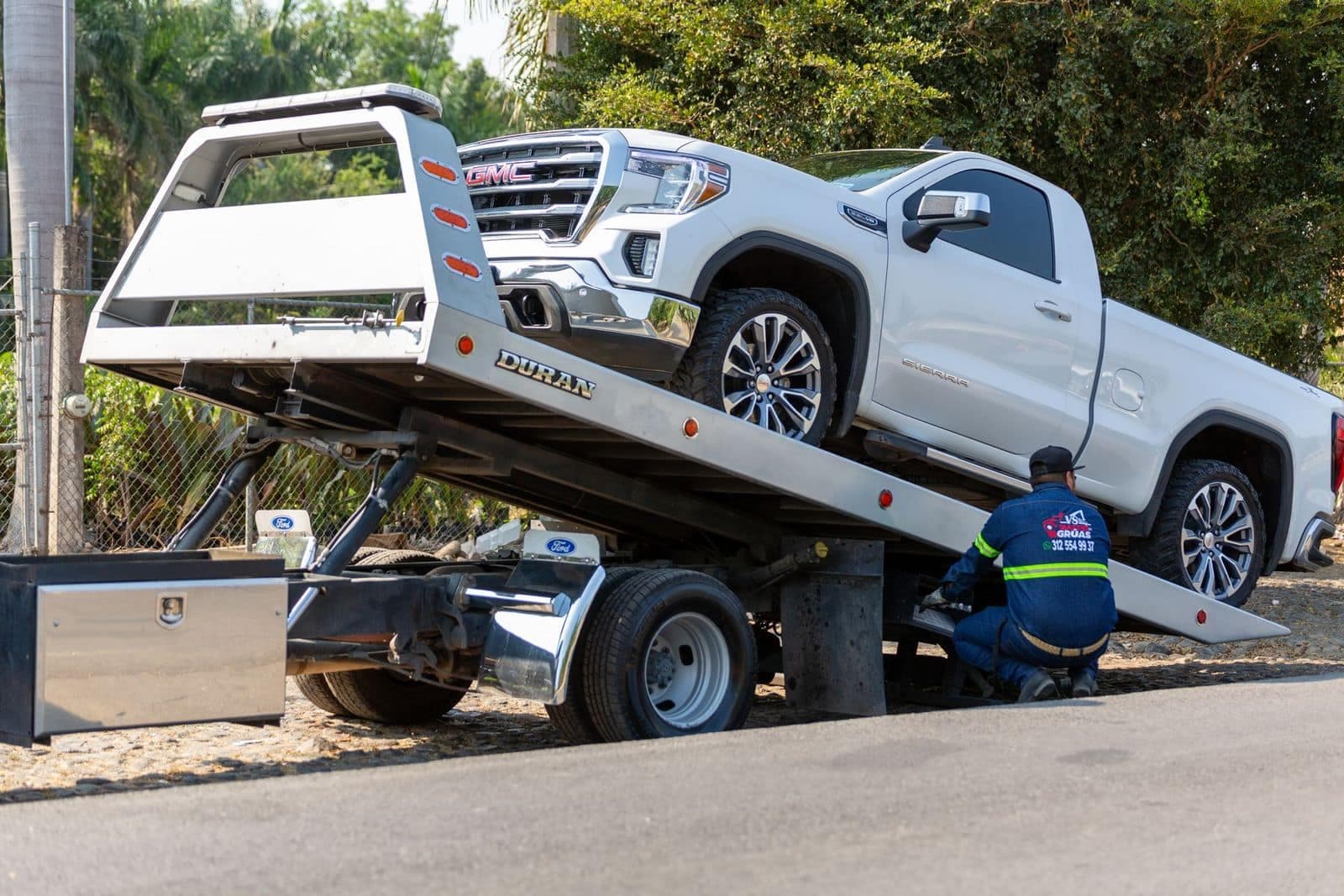
Choose the carrier and the window. The driver calls the day before, meets you or your spouse at the address or a nearby lot, inspects the car and completes the bill of lading. Keep the signed copy with your orders.
The pickup inspection report protects you if anything is disputed later.
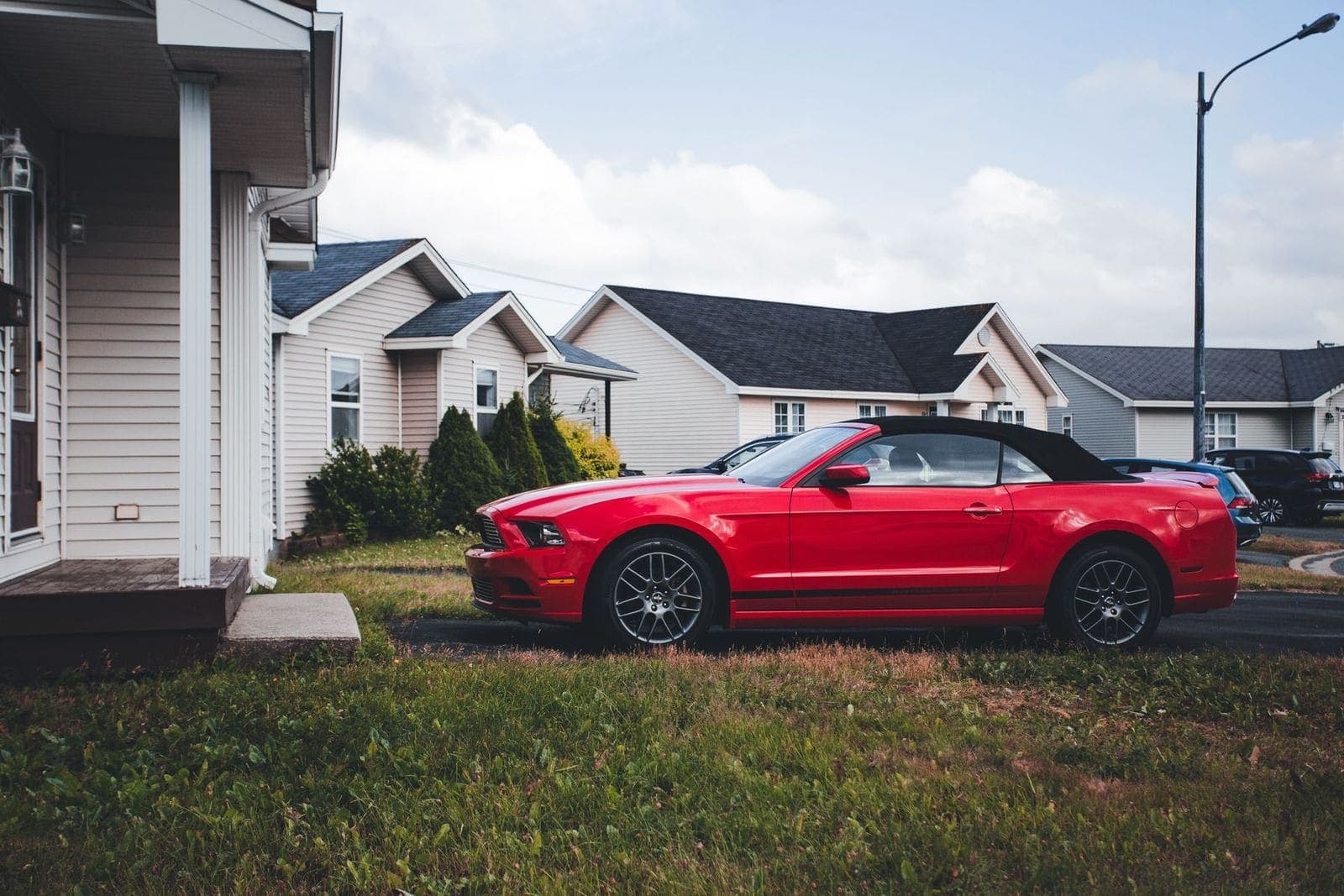
The car travels with others on the same corridor. The driver calls the day before delivery and agrees a spot near the new installation with whoever is receiving. The car is inspected against the pickup report, signed for, and the carrier paid the balance. The invoice goes in your travel claim file.
Pay the carrier only when the car is in front of you and checked.
Compare
The carrier picks up at your current home and delivers to your new address or a lot near the gate. It is the standard for CONUS moves, the simpler option for families, and usually the cheaper one because no terminal fees apply.
For overseas orders the government's contractor uses vehicle processing centres at designated ports, and that shipment is arranged through your transportation office, not through us. Domestic terminal drop-off is rarely worth it today, but it can help if nobody will be at either end for several days; ask and we will tell you honestly whether it fits your dates.
Vehicle types
Every class below ships on open and enclosed carriers. The note shows how each affects the price against a standard sedan.
Sedans and coupes
Baseline price
SUVs and crossovers
About 12% more
Pickup trucks
About 20% more
Vans and minivans
About 25% more
Motorcycles
Crated or strapped, from 20% less
Classic and exotic
Enclosed recommended
Electric vehicles
Ship at 30–50% charge
Inoperable
Winch loading, about $150 more
The carrier's cargo insurance covers the car from loading to delivery. Before pickup you receive the certificate of insurance, which shows the coverage limit and deductible. Your own auto policy is the second layer; keep it active through the move, since some carriers require it and most policies cover a car in transit.
Do the pickup inspection as carefully as a housing inspection. Photograph every panel, the wheels and the odometer, and check that the bill of lading records every existing mark before you sign. If a spouse or friend is receiving the car, send them the photos and the signed report so they can compare at delivery, and have them call us with the driver present if anything is new.
For a reimbursable move, keep the signed bill of lading, the carrier's invoice showing the amount paid and the dates, and the certificate of insurance. Whether the vehicle shipment is reimbursable, and how much, is set by your orders and the Joint Travel Regulations; your transportation office or finance office can confirm before you book, and we will provide any document they ask for.
Routes
Lanes where this service is booked most, with current ranges.
Questions
Not covered here? A specialist can answer route-specific questions in a couple of minutes.
888-706-8784For most overseas (OCONUS) orders the government ships one privately owned vehicle through its own contractor. For moves within the continental US it generally does not ship vehicles; you drive or arrange shipping yourself, and reimbursement depends on your orders and the Joint Travel Regulations. Check with your transportation office, then get a quote here for whatever the government will not move.
Sometimes, with a sponsor and advance notice at the gate, but most deliveries happen just outside the installation: base housing outside the fence, a commercial lot near the main gate or your new off-base address. Tell us which base and the driver plans for its access rules.
Orders change. Give us the new date and we reschedule the pickup; there is no charge for changing dates before a carrier is dispatched. If the truck is already assigned, the specialist works with the carrier to move your slot.
The same as any shipment on that lane: $500–$750 under 500 miles, $850–$1,350 for 500–1,500 miles and $1,400–$2,000 coast to coast for a sedan on an open carrier. Tell the specialist you are moving on orders so the paperwork you might need for reimbursement is prepared.
Yes. Any adult you name on the order can sign at pickup or delivery. It is common for a service member to report early while a spouse ships the car a week or two later, or for a friend at the new duty station to receive it.
Yes, and two cars on the same truck between the same addresses usually price 10–15% lower per vehicle. Motorcycles ship on the same carriers, strapped on the deck or crated.
Keys, a photo ID at pickup and the name and phone number of whoever will receive the car. You do not need the title or registration for a domestic shipment. Keep the signed bill of lading and the carrier's invoice for your travel claim.
Guides
8 min read
The government ships one privately owned vehicle for OCONUS moves; for CONUS PCS you drive or pay to ship. Second vehicles and most stateside moves are out of pocket, and a monetary allowance may offset part of the cost. Book as soon as orders are in hand.
Read the guide9 min read
Get quotes, pick a carrier, hand over the keys with an inspection report, and receive the car on delivery. The whole process takes 60 seconds to start and 1–10 days to finish, depending on distance.
Read the guide8 min read
Your car is covered by the carrier’s cargo insurance while it is on the truck, typically $100,000–$250,000 per load on open carriers and more on enclosed. The Bill of Lading inspection at pickup and delivery is what makes a claim provable.
Read the guideEnter your route and vehicle in about a minute. A specialist confirms the carrier, the price and the pickup window within business hours.
Average response time under 5 minutes during business hours (Mon–Sun 7am–9pm ET).
Last updated September 12, 2026 · Written by the AutoShippingUS Editorial Team · Reviewed by Christofer Whiteman, Editor · Industry review by Sarah Williams, Independent auto transport consultant, 20 years in the industry