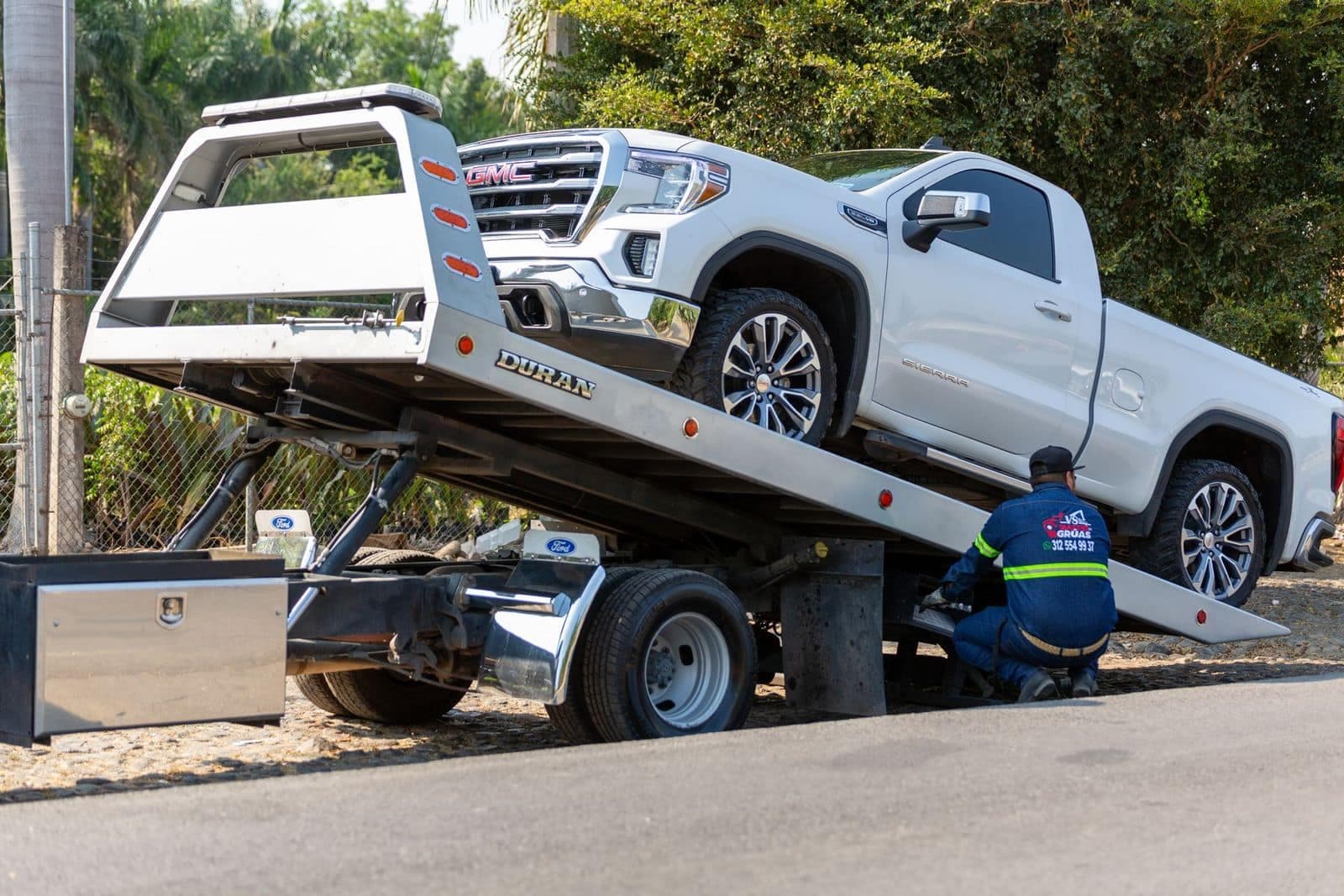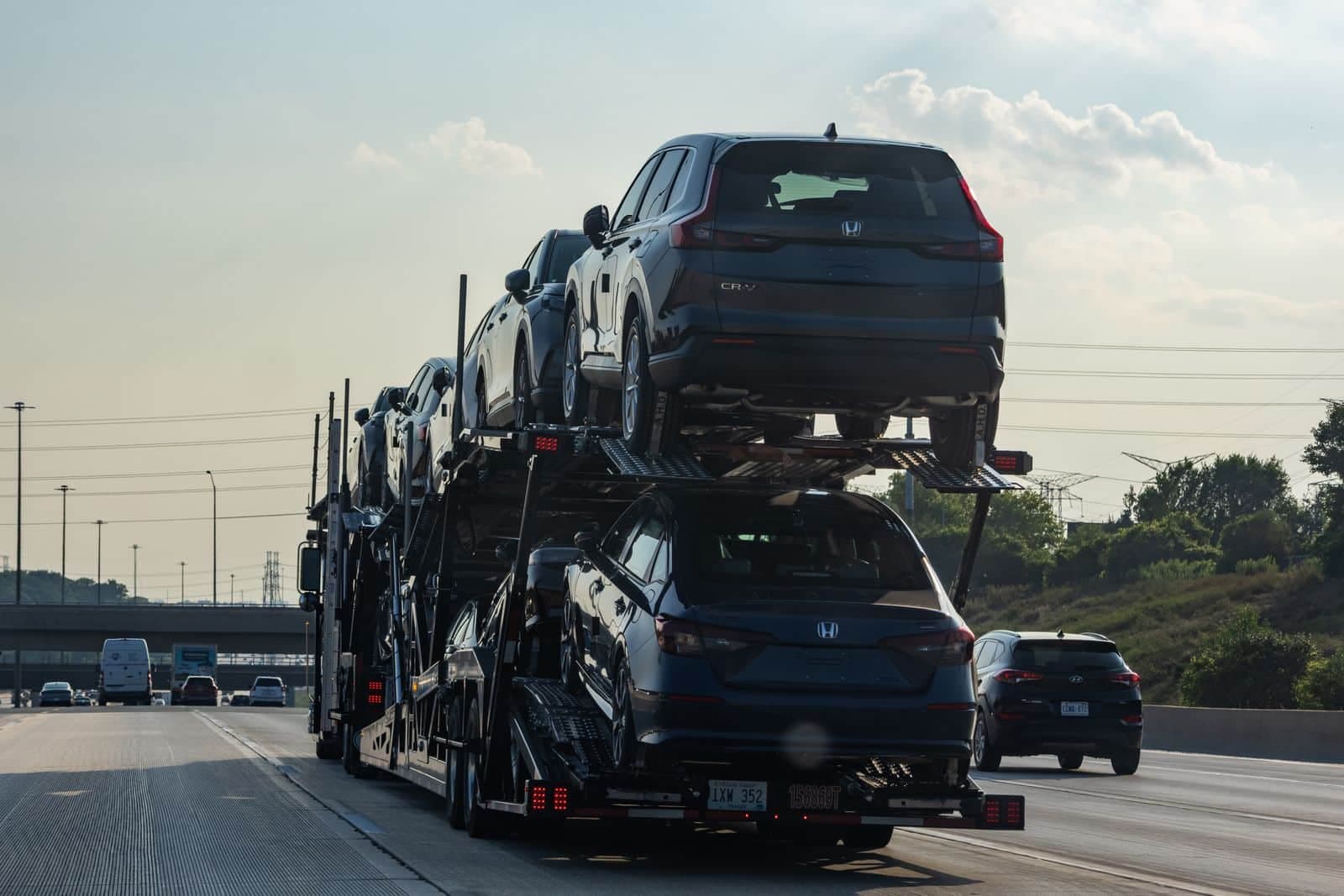
Who actually insures my car while it is on the truck?
The carrier does. Every company that hauls vehicles for hire must hold federal operating authority and cargo insurance (both visible on the FMCSA SAFER register), and that cargo policy is what covers your car from the moment it is loaded until you sign for it at delivery. A broker, which is what AutoShippingUS is, does not insure the car; our job is to assign a carrier whose coverage is real and adequate, to get the certificate into your hands before pickup, and to stay on a claim with the carrier until it is settled.
That distinction matters when you read marketing. A site that says "fully insured" is telling you the carrier it assigns carries cargo insurance, which is the legal minimum. The useful questions are what the limit is, whether there is a deductible, and whether the certificate is current. Those answers are on one page, the certificate of insurance, and you should see it before the truck arrives.
How do I read the certificate of insurance?
It is a one-page summary issued by the carrier's insurance agent. Look for four things. The carrier's legal name and DOT number, which should match the company assigned to your shipment. The cargo coverage line, with its limit per load or per vehicle; that is the maximum the policy pays. The policy dates, which must cover your pickup and delivery. And any deductible, which is the carrier's responsibility on a valid claim but tells you something about how the carrier operates.
If the limit is lower than your car's value, say so. On busy lanes a specialist can usually find a carrier with a higher limit, and enclosed carriers as a class carry more. For very valuable cars a single-vehicle load with a dedicated policy is possible.
Ready to get a number for your car?
Sixty seconds in the form and a specialist calls with a firm quote from a licensed carrier within business hours.
What does cargo insurance cover, and what does it exclude?
It covers physical damage to the vehicle caused during transport: loading and unloading, road incidents, straps or chains marking a panel, damage from another car on the load. On enclosed carriers it generally covers weather too. Some open-carrier policies exclude acts of nature such as hail, which is one of the reasons enclosed transport is worth considering for a valuable car crossing the plains in spring.
It does not cover personal belongings left in the car, which is why we ask you to keep them out or under about 100 pounds and understand they are uninsured. It does not cover pre-existing damage recorded on the pickup report, mechanical faults that were not caused by transport, or damage that is not written on the delivery report before you sign. That last exclusion is the one that catches people, and it is entirely avoidable.
Why is the inspection report the whole claim?
Because the bill of lading is the only document that records the car's condition at both ends with both parties' signatures. At pickup the driver marks every existing scratch, chip and dent on a vehicle diagram and notes the mileage; you check it and sign. At delivery the same happens. Damage that appears on the delivery report and not on the pickup report is, by definition, the carrier's responsibility. Damage that is not on the delivery report is, by definition, not proven to have happened in transit.
So the practical rules are simple. Wash the car before pickup so marks are visible. Photograph every panel, the wheels, the glass, the interior and the odometer in daylight before the truck arrives. Walk the car with the driver and do not sign a report that misses something. At delivery, inspect before signing, in daylight if possible, with a flashlight if not. Write any new damage on the report while the driver is present.
What are the steps if the car is damaged?
Note it on the delivery report before signing, describing the damage and its location. Photograph it from several angles and, if you can, alongside your pickup photo of the same panel. Call your specialist while the driver is still there; we can speak to the carrier's dispatch immediately. Then get a written repair estimate from a body shop of your choice.
The claim goes to the carrier, which either pays directly or refers it to its cargo insurer. You supply the two reports, the photographs and the estimate. Well-documented claims are usually paid within a few weeks. If a carrier is slow, we escalate; if a carrier refuses a clearly valid claim, the federal complaint process and, as a last resort, small claims court are available, and a signed delivery report with the damage noted is decisive in both.
Does my own insurance help?
Usually, as a second layer. Most comprehensive auto policies cover the vehicle while it is being transported, and some carriers ask that your policy stay active during the trip for that reason. If a carrier's insurer disputes a claim, your own insurer can pay and pursue the carrier. Agreed-value collector policies typically cover transit as well. A two-minute call to your insurer before pickup confirms what applies to you.
What about damage that is not damage?
Road dust and rain marks on an open carrier are not damage. Neither is a few tenths of a mile on the odometer from loading and unloading. Chips, scrapes, dents, a cracked windshield or a scuffed wheel are, and belong on the report. If you are not sure, write it down: an unnecessary note costs nothing, and a missing one can cost the claim.
The short version
Ask for the certificate of insurance before pickup and check the limit, the dates and the carrier's name. Photograph the car and read the pickup report before signing. Keep belongings out. Inspect at delivery before signing and write down anything new while the driver is there. Do those four things and a claim, if you ever need one, is a matter of paperwork rather than argument.
AutoShippingUS Editorial Team
Logistics research and pricing desk. Pricing and timing figures are refreshed from carrier quotes each season.
Reviewed by Christofer Whiteman, Content Editor, AutoShippingUS.
Industry review by Sarah Williams, Independent auto transport consultant, 20 years in the industry.
Last updated September 12, 2026 · Written by the AutoShippingUS Editorial Team · Reviewed by Christofer Whiteman, Editor · Industry review by Sarah Williams, Independent auto transport consultant, 20 years in the industry