How does car shipping actually work?
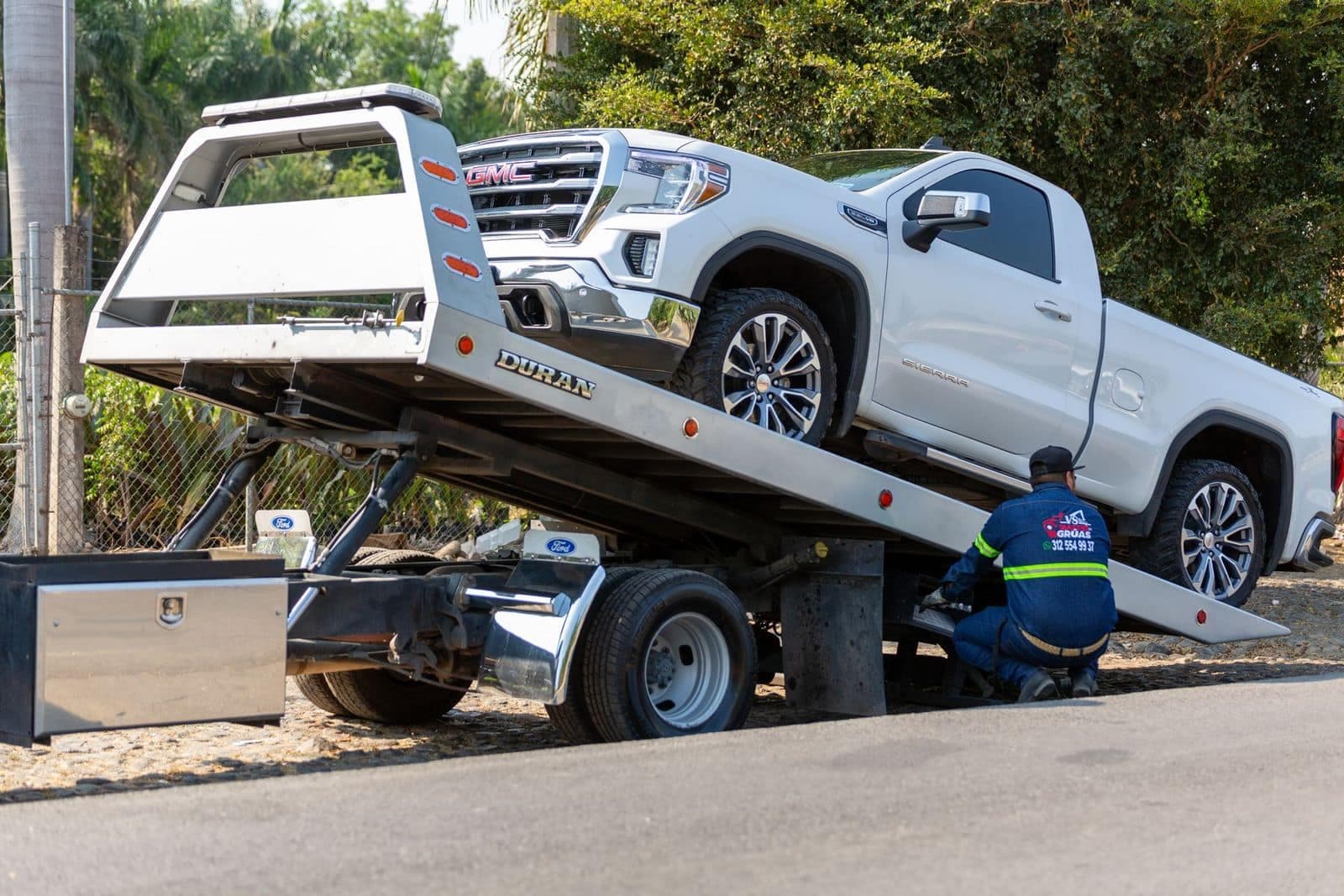
Car shipping is simpler than most people expect once the pieces are named. You describe the route, the vehicle and when it can be collected. A carrier, a company that owns car-hauling trucks and holds federal operating authority and cargo insurance, agrees a price and a pickup window. The driver meets you, inspects the car with you and loads it. The truck runs its route, dropping and collecting other customers' cars along the way, at 400 to 500 miles a day. At the destination, whoever you have named meets the driver, inspects the car against the pickup report, signs, and pays the balance.
Most customers do not deal with a carrier directly. They use a broker, which is what AutoShippingUS is: we take your request, send it to licensed carriers in our network already running your lane, confirm the price with you, and stay on the phone through delivery. The carrier moves the car; we make sure the right one is chosen and that the paperwork protects you. You pay nothing to us.
The whole process takes about a minute to start and, depending on distance, one to ten days on the road. This guide walks through each step in order, with the decisions you will actually face at each one: which trailer, what dates, what to remove from the car, what to check at the truck, and what to do if something is wrong at the far end.
What do I need before I get a quote?
Three things: the pickup and delivery locations (a city or ZIP code is enough to start), the vehicle's year, make and model, and whether it runs. Two more things sharpen the estimate: the first date the car can be collected and whether you want an open or enclosed trailer. The estimate you see is a range; the firm number comes from a carrier and depends on your exact addresses and the week's demand.
Be honest about the vehicle. A lift kit, oversized tires, a roof box, a car that needs a jump or one that will not start at all each change which truck can take it and what it costs. Telling the specialist up front avoids a driver arriving with the wrong equipment and the price changing at the curb.
Ready to get a number for your car?
Sixty seconds in the form and a specialist calls with a firm quote from a licensed carrier within business hours.
How do I choose between quotes?
Compare the quotes against the ranges on this site, not against each other. A price at or a little below the range for your distance band on a busy corridor is normal. A price well above it should come with a reason: a rural pickup, a large vehicle, a fixed date in peak season. A price far below the range is the one to be wary of. It is usually a load posted at a rate no carrier will accept; it sits for days, and then the price is raised once you have committed and your dates are close.
Ask three questions of any company. Are you a carrier or a broker, and if a broker, will I know the carrier's name and DOT number before pickup? What does the price include, and is there a deposit? What happens if my dates move? Good answers are: you will know the carrier before the truck is assigned; the price is the whole price with no deposit to the broker; and dates can change without charge until a carrier is dispatched.
What happens between booking and pickup?
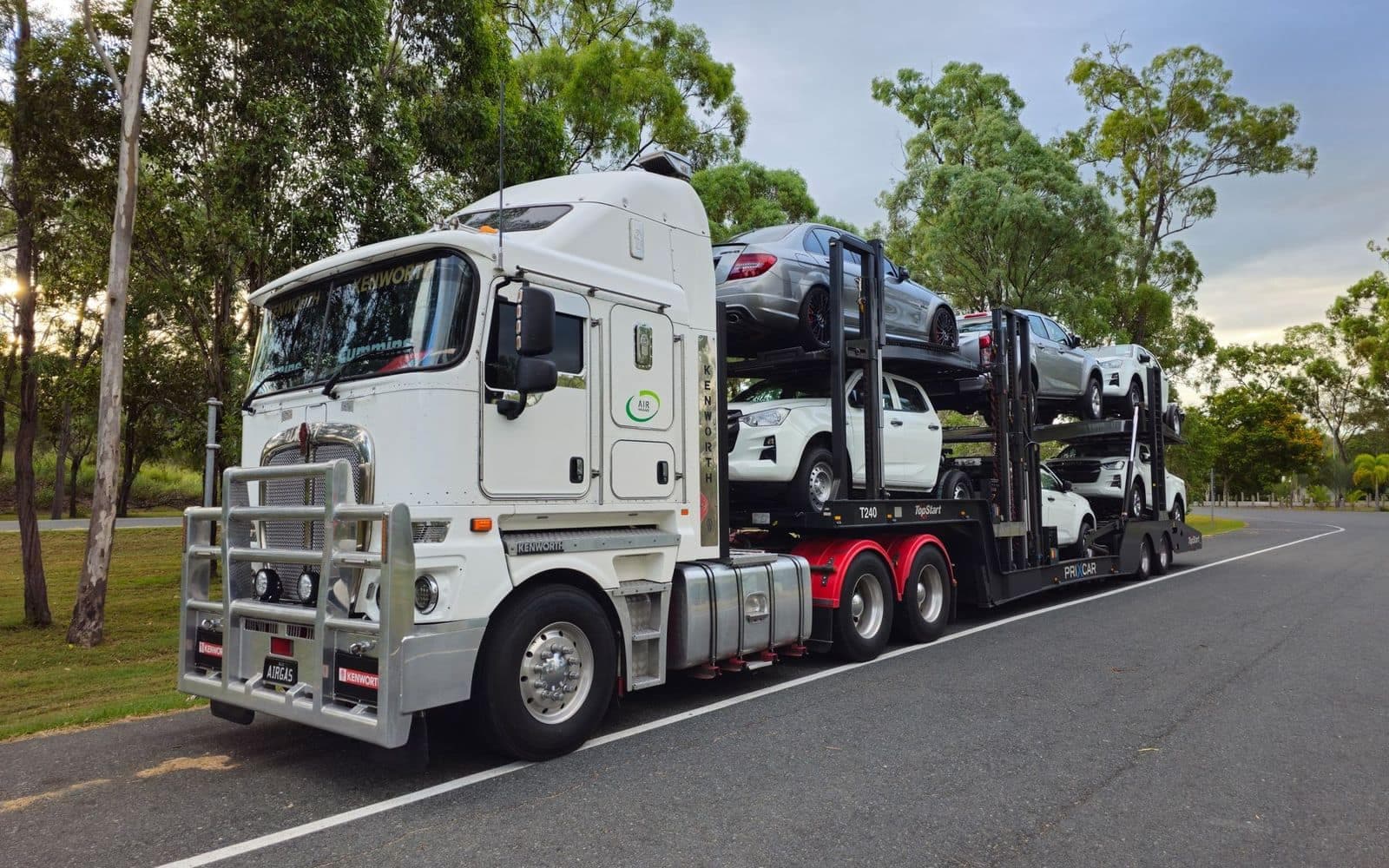
Once you accept a quote, the dispatcher matches your car to a truck building a load through your area. That takes one to five days on most lanes, longer for rural pickups and enclosed trailers. You receive the carrier's name, DOT number and certificate of insurance. The day before pickup, the driver calls with a time window and, if your street cannot take a 75-foot truck, a nearby meeting point.
Use the waiting time to get the car ready. Wash it so the inspection is accurate. Photograph every panel, the wheels, the glass, the interior and the odometer in daylight. Bring the fuel down to about a quarter tank. Remove toll transponders, parking passes and anything loose or valuable. If you are leaving belongings in the trunk, keep them under about 100 pounds and understand they are not insured. Make sure the person handing over the car has a key and a photo ID.
What happens at pickup?
The driver walks the car with you and fills in the bill of lading, a form with a vehicle diagram on which every existing scratch, chip and dent is marked, plus the mileage. Check it against your photos and do not sign until it is right. This document is the baseline for the whole shipment: damage that appears at delivery and is not on the pickup report is the carrier's responsibility. You keep a copy.
Then the car is loaded, by ramp or winch or liftgate, strapped or chained at the wheels, and the truck leaves. You have the driver's number and the dispatcher's, and the carrier updates you as the load moves.

How long is the car on the truck, and can I track it?
Transit is a window, not a date. A truck covers 400 to 500 miles a day and stops to load and unload other customers, so a 1,200-mile trip is three to five days on the road, a 2,800-mile trip seven to ten. Weather, traffic and a customer who is late to a pickup all move the schedule by hours. Carriers give a call or text at each stage; some run GPS you can view. A specialist can check on the truck at any time.
What should I do at delivery?
The driver calls ahead as the truck nears the destination and agrees the delivery spot with whoever is receiving. Inspect the car before you sign anything, in daylight if you can arrange it and with a flashlight if you cannot. Compare every panel against the pickup report and your photos. Road dust after a long open-carrier trip is normal; a new chip, scrape or dent is not, and it must be written on the delivery report before you sign. Then pay the driver the balance in the form agreed at booking.
If something is wrong, do not let the truck leave before it is noted. Photograph the damage, mark it on the report, and call your specialist while the driver is present. Claims that are documented at delivery are paid; claims reported the next morning are argued about.
What are the most common mistakes?
Booking on the lowest price without checking it against the range. Giving a single fixed date when a window of a few days would have been fine and cheaper. Leaving belongings in the car and being surprised by a weight fee. Skipping the photographs. Signing the delivery report in the dark and inspecting later. And leaving the toll transponder in the windshield for a trip past forty gantries. Each is avoidable, and the quote form and your specialist will remind you of every one of them.
AutoShippingUS Editorial Team
Logistics research and pricing desk. Pricing and timing figures are refreshed from carrier quotes each season.
Reviewed by Christofer Whiteman, Content Editor, AutoShippingUS.
Industry review by Sarah Williams, Independent auto transport consultant, 20 years in the industry.
Last updated September 12, 2026 · Written by the AutoShippingUS Editorial Team · Reviewed by Christofer Whiteman, Editor · Industry review by Sarah Williams, Independent auto transport consultant, 20 years in the industry