What is a realistic car shipping timeline?
Think of the trip in two parts. The first is the wait for a truck: after you book, a dispatcher matches your car to a carrier building a load through your area, and that carrier reaches your address. On busy corridors this takes one to three days; on quieter lanes, for rural pickups or for enclosed trailers, up to five. The second part is transit, the days the car is actually on the truck, which depends on distance and how many other stops the load has.
For transit, the rule of thumb is 400 to 500 miles a day. Federal hours-of-service rules cap how long a driver can be behind the wheel, and each pickup and delivery along the route takes an hour or so. That gives one to three days on the truck for anything under 500 miles, two to four days for 500 to 1,000 miles, three to five days for 1,000 to 1,500 miles, four to seven for 1,500 to 2,000, and seven to ten for a coast-to-coast run of 2,700 miles or more.
Put the two parts together and a typical Northeast-to-Florida shipment is complete four to ten days after booking; a coast-to-coast move eight to fifteen days. Every route page on this site shows the transit window for that lane, and the quote form estimates it from road miles.
Why is it a window and not a date?
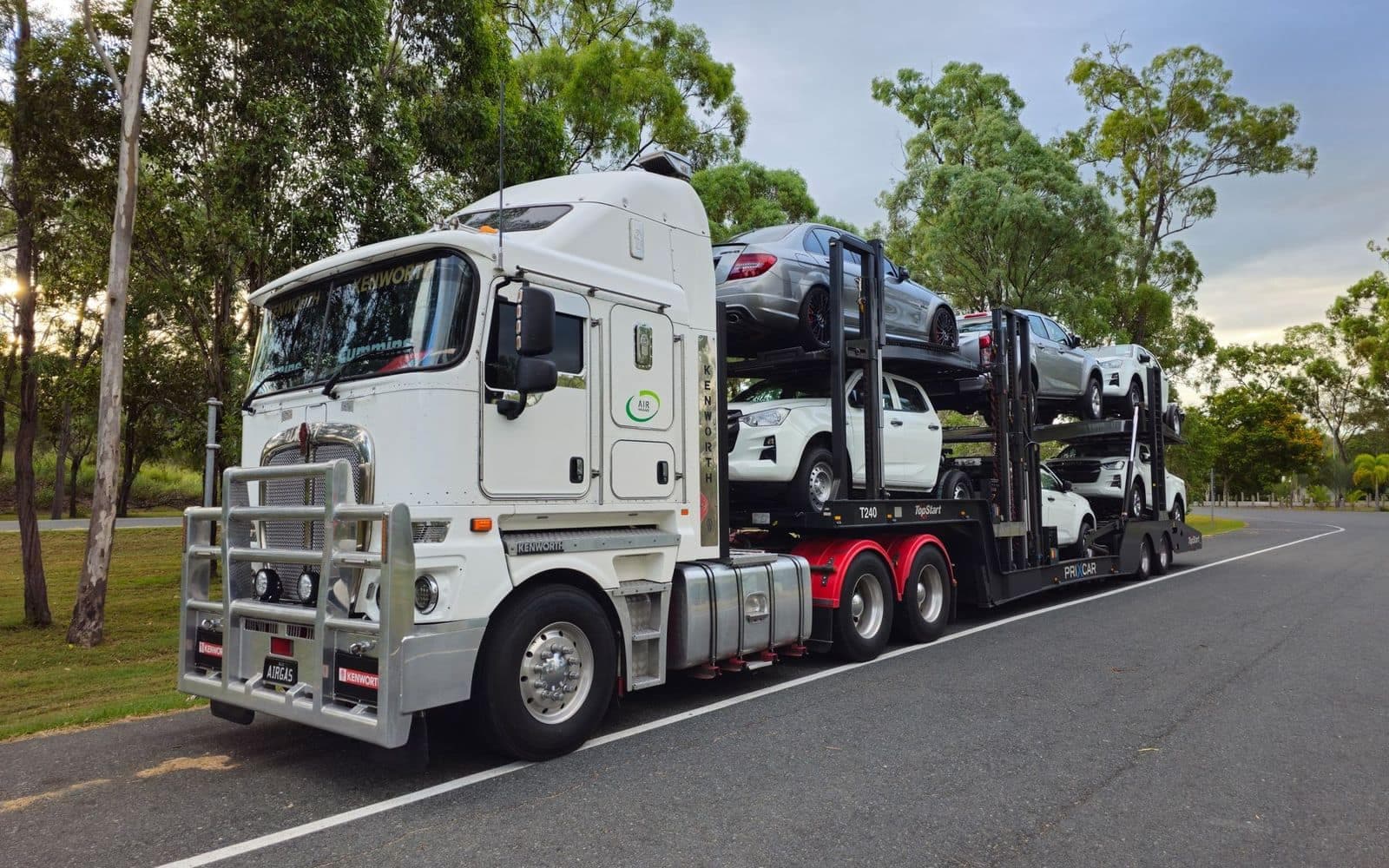
Because a car hauler is a shared vehicle. A full open carrier has eight to ten cars aboard, each with its own pickup and delivery, and the driver sequences them to minimise the route. Your car might be the first on and the last off, or the reverse. Add weather, traffic, a customer who is late to a meeting point, and a weigh station queue, and the arrival hour moves. Carriers are honest about this: they quote a window and call the day before delivery with a time.
Ready to get a number for your car?
Sixty seconds in the form and a specialist calls with a firm quote from a licensed carrier within business hours.
What makes shipping take longer?
Rural addresses, first. A pickup two hours from the nearest interstate means a carrier has to detour, which fewer are willing to do, so the wait for assignment grows. A meeting point on the highway fixes this and usually lowers the price too.
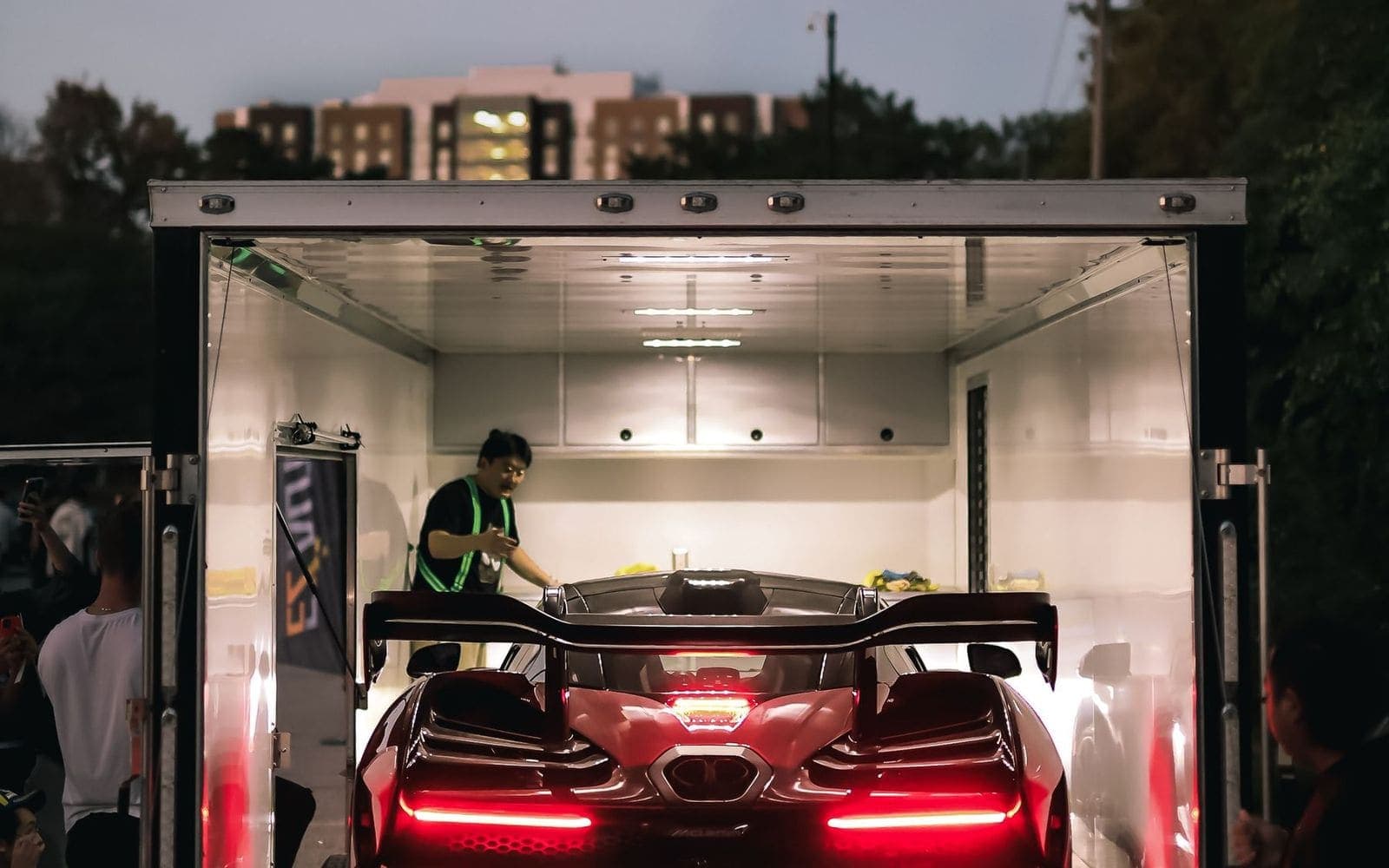
Enclosed trailers, second. There are far fewer of them, they carry fewer cars, and they run fewer lanes. Expect an extra day or two for assignment.
Fixed single dates, third. A car that can only be collected on Tuesday has to match a truck that is passing on Tuesday. A three- to five-day window matches many more trucks.
Inoperable vehicles need a winch, which not every truck carries. Oversized vehicles need deck height and weight allowance. Peak season on the lane, October to January southbound on snowbird routes and June to August everywhere, means trucks are full and the queue for a slot is longer. And weather closes roads: I-80 and I-70 through the mountains in winter, I-95 in a nor'easter, South Florida during a hurricane watch. Carriers wait out closures rather than drive into them, and nothing is charged for a weather hold.
What makes shipping faster?
Everything above in reverse. Book on a busy corridor with a pickup point near the interstate, choose an open trailer, give a window of several days for pickup, and ship in a quieter month. Booking two to three weeks ahead also helps, because carriers plan loads about a week out and a car already on their board gets placed first.
If you need speed rather than economy, ask for expedited pickup. The carrier holds a slot or reroutes, collects within 24 to 48 hours, and the price rises by about $200 to $400 on a long lane. It is the right choice when a lease return, a job start or a flight makes the date immovable.
How does the timeline compare with driving?
A determined driver covers 700 miles a day and beats the truck door to door on any trip. But that driver then has to get home, and the trip has cost fuel, hotels, meals and days. For a 2,800-mile coast-to-coast move, four days of driving plus a one-way flight back is a week of your life; shipping the car costs about the same in dollars and frees the week. For trips under 500 miles, driving is usually quicker and cheaper if you have the day. Between those, most customers decide on the value of their time.
How do I track the car?
You have the driver's mobile number and the dispatcher's. Carriers call or text at pickup, somewhere in the middle of a long trip, and the day before delivery. Some run GPS tracking you can view from a link. If you have not heard anything and want to know where the truck is, call your specialist; we can reach the carrier's dispatch directly.
What should I plan around the delivery window?
Have your receiver available across the whole window, not a single afternoon. Make sure they have the pickup photos and the signed report, know the meeting point, and have the balance ready in the agreed form. If the window overlaps a flight or a work trip, name a backup person now rather than on the day. A car that arrives to nobody sits on the truck until the driver's next pass through the area, or goes to a yard with storage fees, which is the one way a shipment gets genuinely slow.
AutoShippingUS Editorial Team
Logistics research and pricing desk. Pricing and timing figures are refreshed from carrier quotes each season.
Reviewed by Christofer Whiteman, Content Editor, AutoShippingUS.
Industry review by Sarah Williams, Independent auto transport consultant, 20 years in the industry.
Last updated September 12, 2026 · Written by the AutoShippingUS Editorial Team · Reviewed by Christofer Whiteman, Editor · Industry review by Sarah Williams, Independent auto transport consultant, 20 years in the industry