What is the difference between open and enclosed transport?
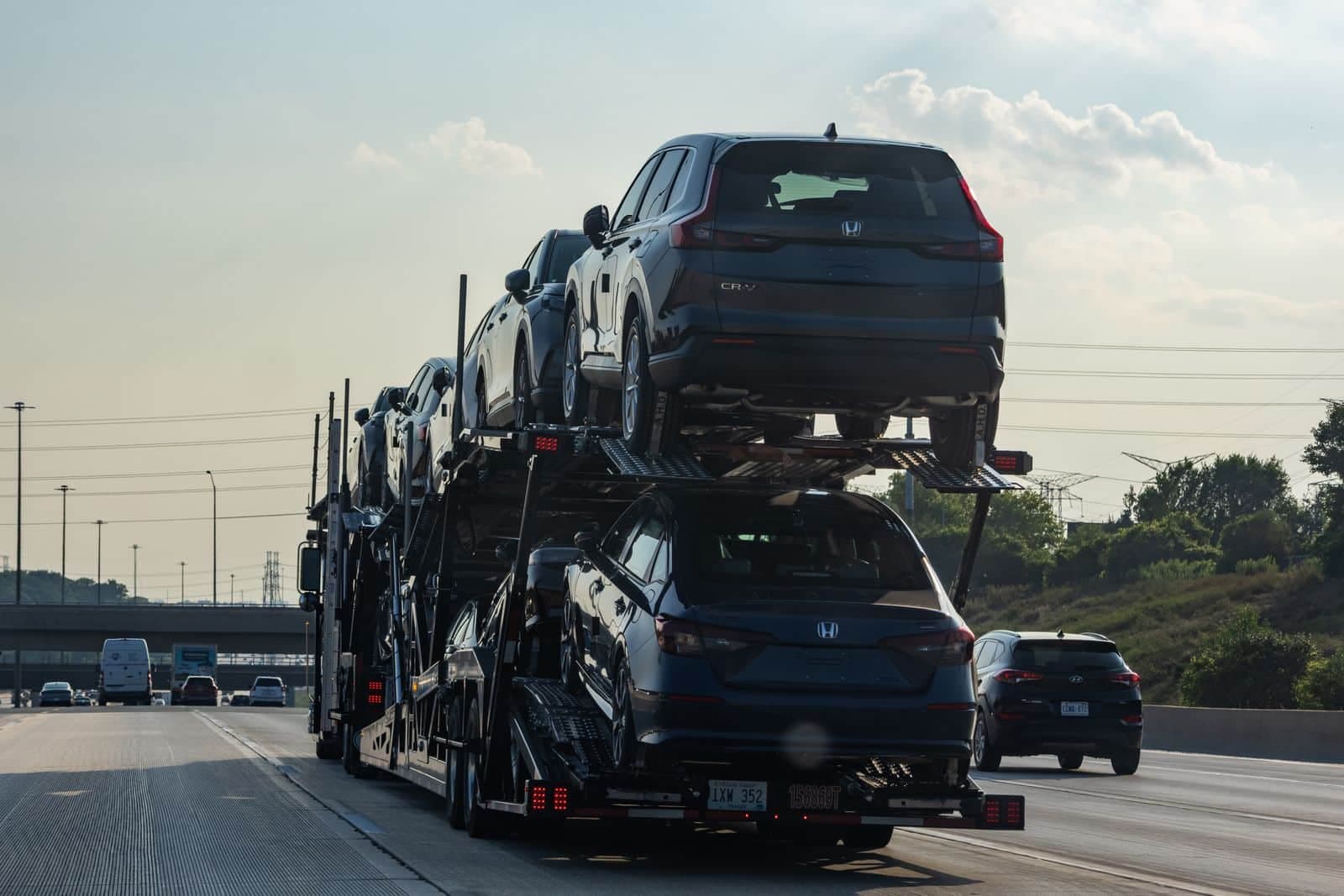
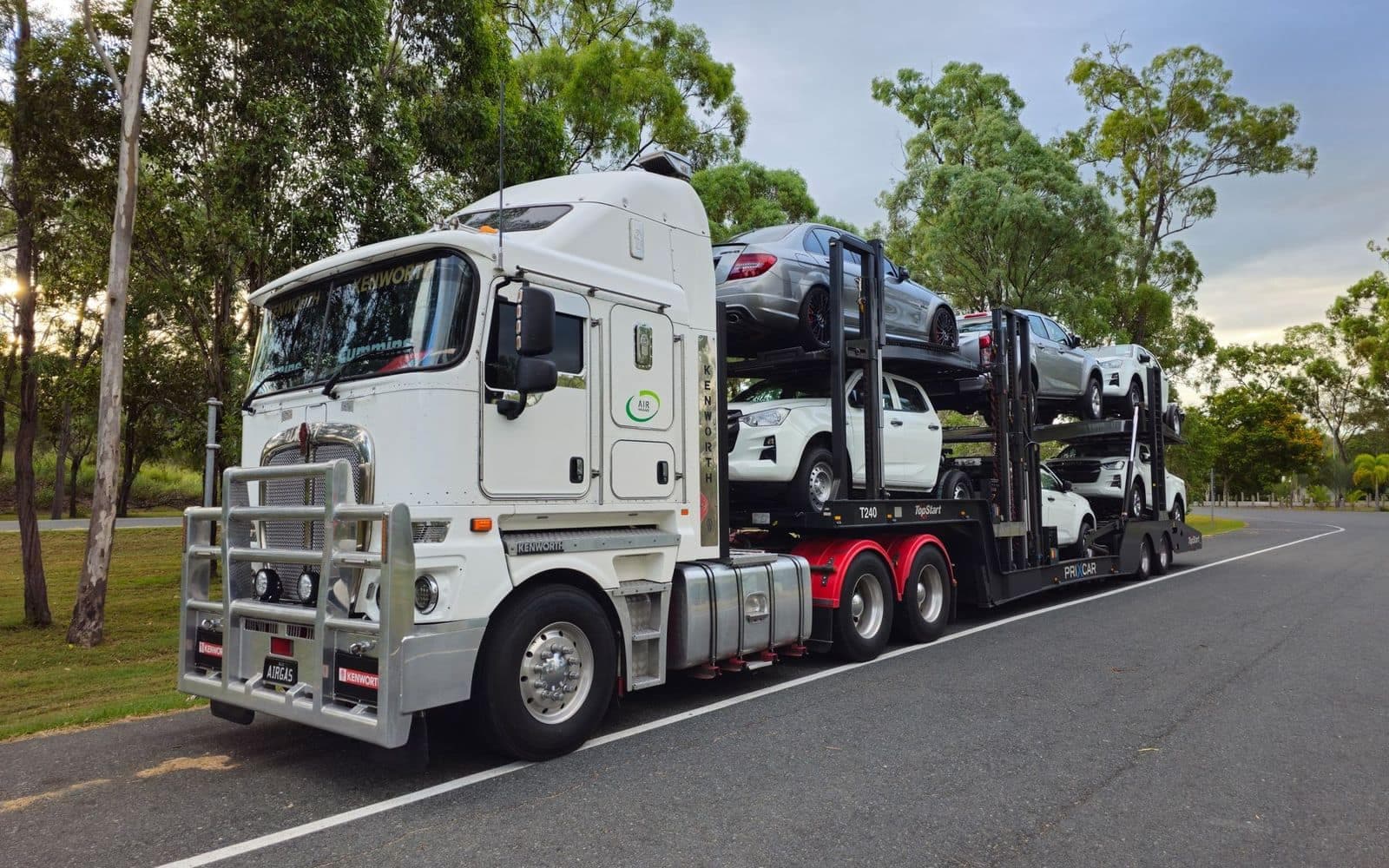
An open carrier is the two-level steel trailer you see on the interstate carrying eight to ten cars in the open air. The vehicles are chained or strapped at the wheels, loaded by ramp, and exposed to whatever the road throws up: rain, dust, salt, the occasional stone. It is the equipment that delivers new cars to dealerships and it moves nine in ten private shipments.
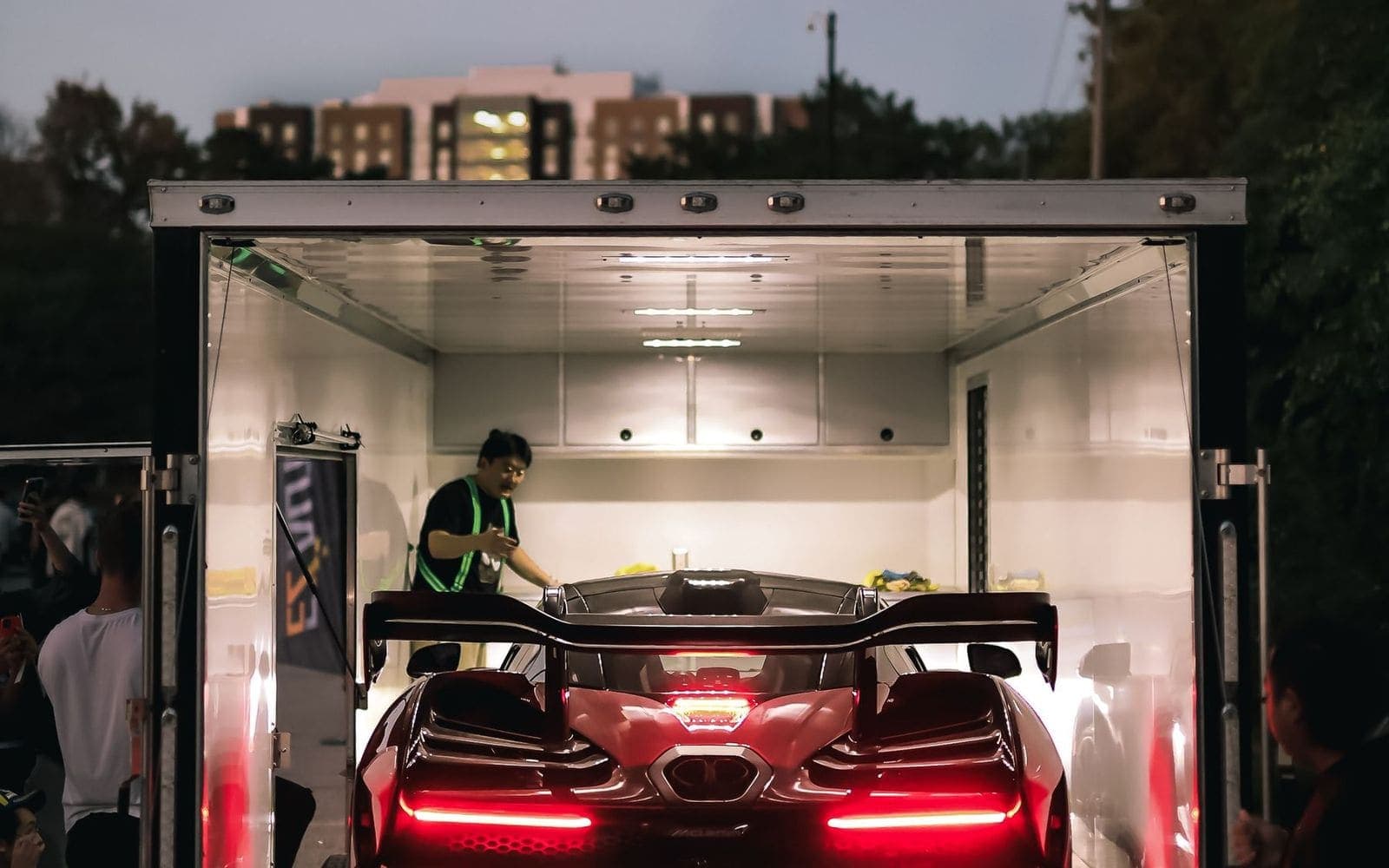
An enclosed carrier is a hard-sided trailer, a box on wheels, that holds two to six cars behind closed doors. Loading is by liftgate or long ramps, the cars are strapped over the tires, and nothing touches them from the moment the door closes. It is what auction houses, collectors and manufacturers use for valuable, rare or delicate vehicles.
The practical differences come down to four things: price, protection, availability and insurance limits. The rest of this guide takes each in turn and ends with a simple rule for choosing.
How much more does enclosed cost, and why?
Forty to sixty percent more on the same lane, as a rule. A running sedan that ships open from the Northeast to Florida for $900 to $1,300 is $1,300 to $1,900 enclosed; a cross-country trip at $1,450 to $2,000 open is $2,050 to $2,950 enclosed. The reasons are arithmetic. An enclosed truck carries a third as many cars, so each car bears three times the share of the driver's day and the fuel. Enclosed trailers are also far scarcer, which means less competition for your load and, on quieter lanes, a longer wait.
The gap narrows on short regional trips where enclosed trucks are plentiful and there is less distance to spread the cost over, and widens on coast-to-coast runs where enclosed carriers are rare.
Ready to get a number for your car?
Sixty seconds in the form and a specialist calls with a firm quote from a licensed carrier within business hours.
What does enclosed actually protect against?
Weather, first. Rain and snow, hail on the plains in spring, road salt on northern interstates from December to March, and the sun on a week-long summer crossing. Road debris, second: stone chips from the truck ahead, tar in summer, the grit that a thousand miles of highway leaves on paint. Prying eyes, third: nobody sees what is inside an enclosed trailer, which matters for rare cars, prototypes and race cars with sponsor livery.
It does not protect against poor handling, because open carriers handle cars just as carefully; drivers on both are inspected with you at each end and both carry cargo insurance. Genuine damage claims on open carriers are uncommon. What an open carrier cannot promise is that the car arrives clean and cosmetically untouched by the road, and for most cars that is an acceptable trade for the saving.
Which cars should go enclosed?
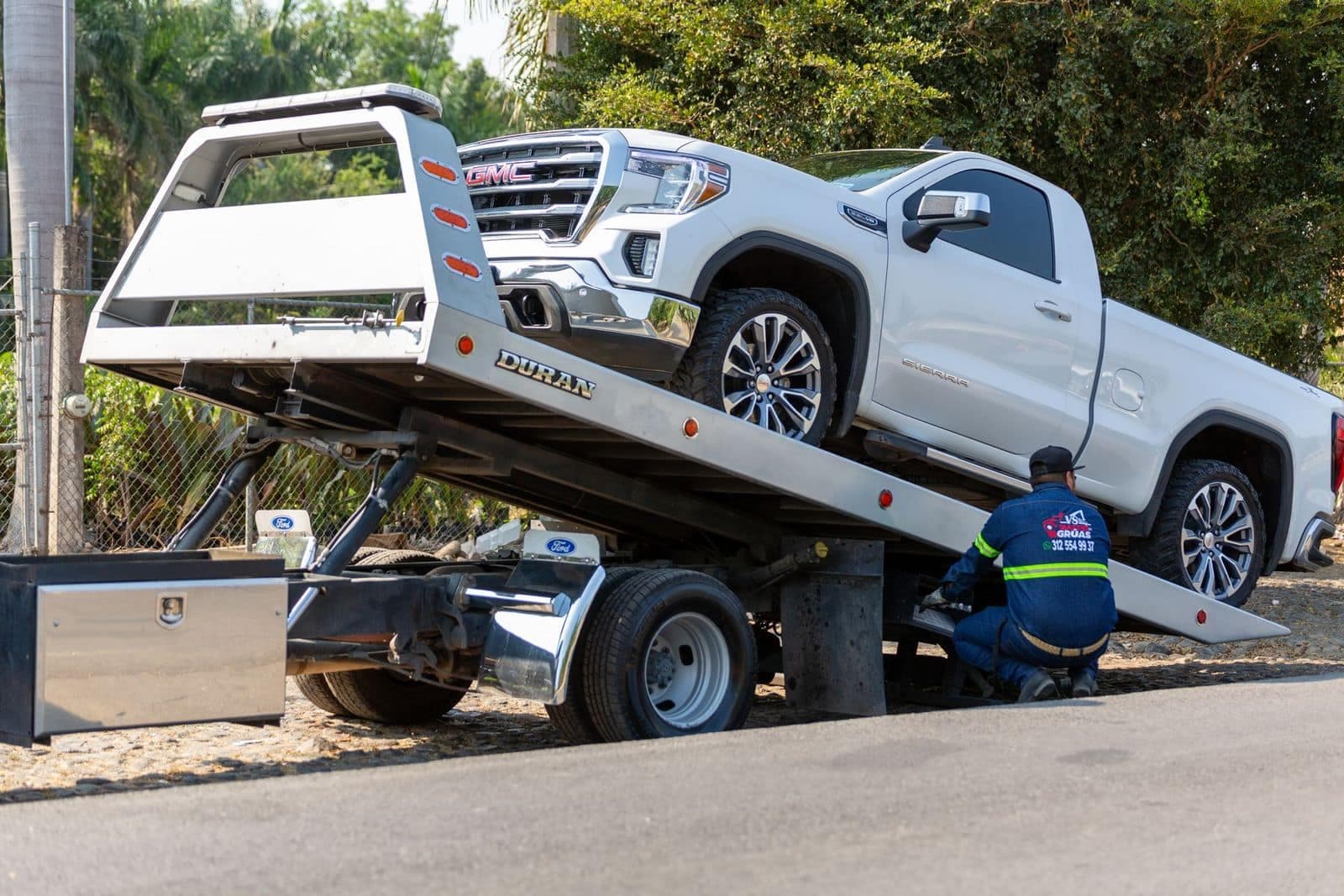
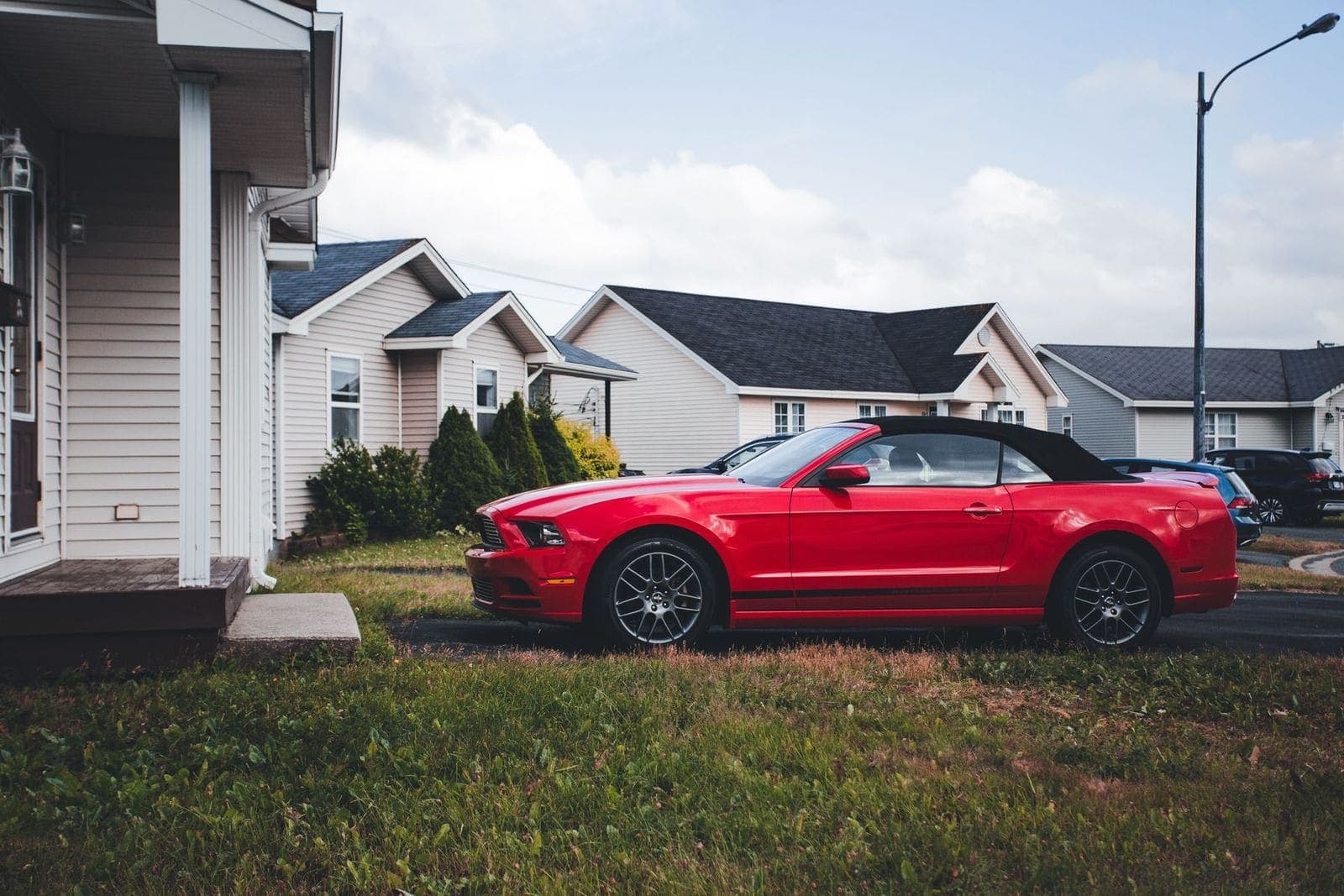
Classics and exotics, obviously. Anything with under five inches of ground clearance, a long front overhang or an aero kit that would scrape a ramp; those need a liftgate. Cars with fresh paint, a new ceramic coating or a paint-to-sample finish. Convertibles with fabric tops. Cars whose value makes even a minor cosmetic claim expensive in time and diminished value. And, for a specific season, any car you care about cosmetically that will travel over salted roads in the depths of winter.
Which cars are fine on an open carrier?
Daily drivers of every kind. Sedans, SUVs, crossovers, pickups, minivans, fleet vehicles, dealer transfers, lease returns, student cars, snowbird cars that will be washed on arrival anyway, and any car whose owner would rather keep several hundred dollars than avoid a wash. That is the overwhelming majority of shipments, and the open carrier serves them well.
How do availability and timing compare?
Open trucks outnumber enclosed roughly ten to one on the busy corridors, so an open shipment is assigned in one to three days and an enclosed one in two to five. Enclosed availability is thinnest on rural lanes and in peak season; booking two to three weeks ahead matters more. Once on the road, enclosed loads have fewer stops and often arrive a little sooner.
How does insurance differ?
Both carry cargo insurance and you see the certificate before pickup. Enclosed carriers, because they specialize in valuable vehicles, usually carry limits several times higher than open carriers. If you are shipping a car worth more than a typical open carrier's limit, that alone can decide the question, or a specialist can look for an open carrier with a higher limit on your lane.
Soft-sided enclosed trailers, which use heavy curtains over a frame, sit between the two: better than open against rain and debris, not sealed like a hard-sided box, and priced a little below hard-sided. We quote hard-sided unless you ask otherwise and tell you if a soft-sided truck is the one available.
What is the simple rule?
Ask what a scratch would cost you. If the answer is a car wash and a shrug, ship open. If the answer involves a body shop, a concours judge or a diminished-value argument, ship enclosed and consider the premium part of owning the car. If the car is low, it needs a liftgate regardless. And if it is December and the route runs through the salt belt, lean enclosed for anything you would not want to hose down.
Every route page on this site shows both prices side by side for that lane, and the quote form lets you switch between them to see the difference on your exact trip.
Can I change my mind after booking?
Yes, until a carrier is dispatched. Switching from open to enclosed means the load is re-posted to a smaller pool of trucks, so allow an extra day or two for assignment; switching the other way usually speeds things up. Tell your specialist as soon as you decide, and the price is requoted for the new trailer with no fee for the change.
AutoShippingUS Editorial Team
Logistics research and pricing desk. Pricing and timing figures are refreshed from carrier quotes each season.
Reviewed by Christofer Whiteman, Content Editor, AutoShippingUS.
Industry review by Sarah Williams, Independent auto transport consultant, 20 years in the industry.
Last updated September 12, 2026 · Written by the AutoShippingUS Editorial Team · Reviewed by Christofer Whiteman, Editor · Industry review by Sarah Williams, Independent auto transport consultant, 20 years in the industry