
New York to Florida
- Distance
- 1,200 mi
- Transit
- 3–5 days
- Open from
- $900
Pricing
Six choices that move the price, what each is worth in dollars, and the one that is not worth it.
Compare quotes from licensed, bonded carriers.
No obligation · Takes 60 seconds · We never sell your data
Car shipping prices are not fixed. They are set when a carrier decides your load fits their truck and their schedule, and nearly everything that lowers the price does so by making your car easier to fit. The table above puts a dollar figure on each of the six choices for a typical 1,000–1,500 mile sedan shipment, and the sections below explain why each works.
Some are obvious once said. An open carrier costs 30–45% less than an enclosed one because it carries more cars and there are more of them. Some are counter-intuitive: booking earlier and giving a wider pickup window saves money because carriers plan their loads about a week out, and a car they can place on a truck that is already going your way is a car they quote low. And some are about avoiding the false economies. The lowest number on a comparison site is usually a price no carrier will accept, and the "saving" evaporates when the load is repriced.
If you take one thing from this page: tell us your real constraints. A specialist who knows you can wait a week, that the car is a daily driver, and that a meeting point near the interstate is fine will find a price that a rigid request never sees.
Price table
Dollar figures are for a 1,000–1,500 mile sedan shipment; percentages apply to any lane.
| Choice | Typical saving | Effect |
|---|---|---|
| Open instead of enclosed | $350 – $700 | Saves 30–45% |
| Flexible pickup window (5–7 days) | $75 – $200 | Saves 8–15% |
| Book 2–3 weeks ahead in peak season | $100 – $250 | Saves 10–20% |
| Ship in February or September | $75 – $200 | Saves 8–15% |
| Meet the carrier near a highway | $50 – $150 | Saves 5–10% |
| Ship two cars together | $100 – $200 | Saves per vehicle |
Savings stack, but not fully: a flexible, off-peak, open shipment of two cars is the cheapest realistic booking.
What moves the price
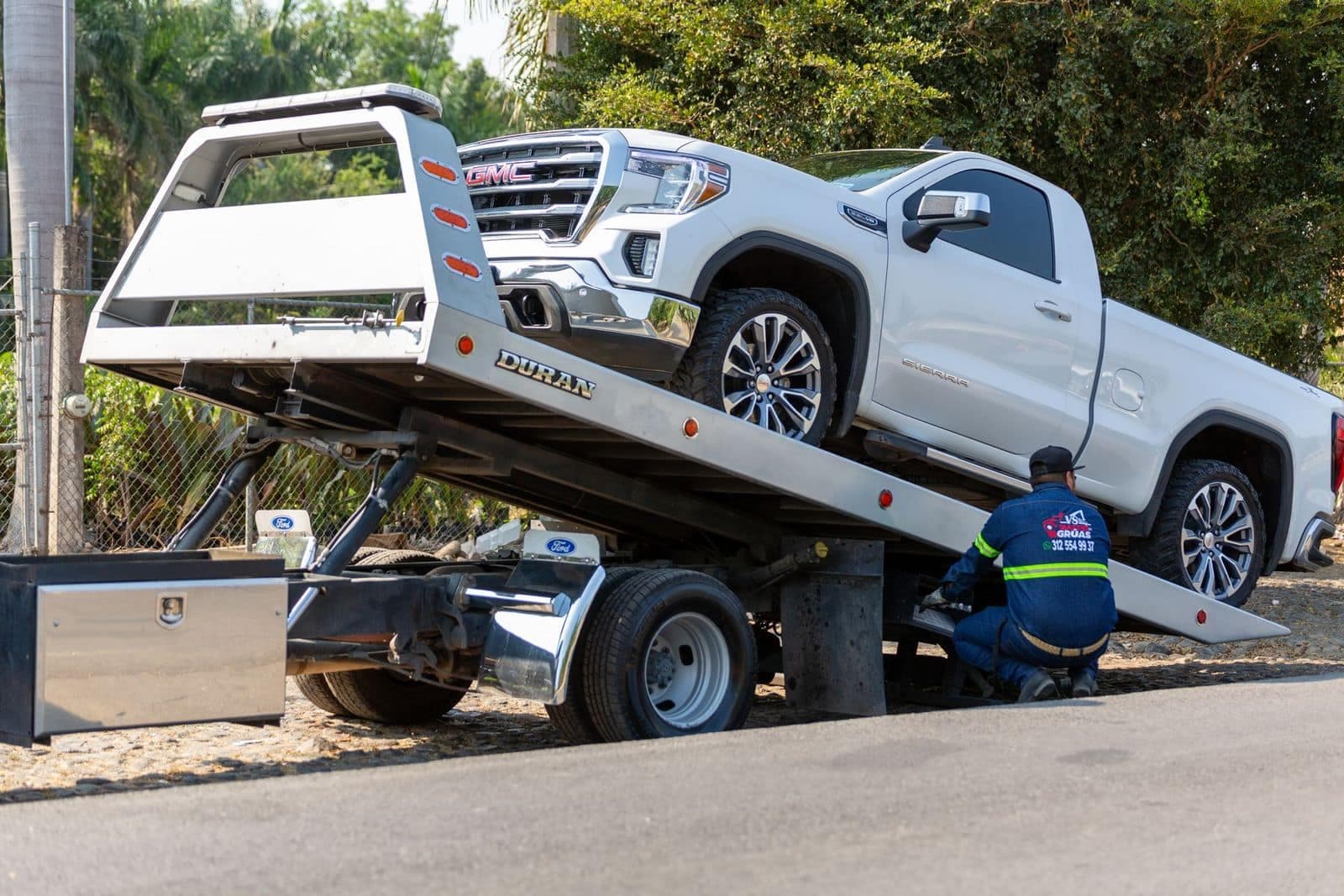
The largest single saving, 30–45%. Open carriers are how dealers move new cars. Unless the vehicle is a classic, an exotic or freshly painted, the protection of an enclosed trailer is not worth the premium.
Saves 8–15%. Carriers plan loads a week out. A car that can be collected any day in a window gets placed on a truck already routing past, at that truck's price.
Saves 10–20% from October to January on snowbird lanes and June to August everywhere. Late bookings in those months compete for the last spots and pay for them.
Saves 8–15%. February, March, September and early October are the quiet stretches on most lanes. If the calendar is yours to choose, choose those.
Saves 5–10%. A 75-foot truck detouring into a subdivision or a downtown costs the carrier time. Meeting at a lot off the interstate is faster for the driver and cheaper for you.
Saves 10–15% per car. Same truck, same two addresses, one set of paperwork. It applies to a car and a motorcycle or two cars from a household move.
Vehicle types
How each vehicle class changes the price against a standard sedan on the same lane.
Sedans and coupes
Baseline price
SUVs and crossovers
About 12% more
Pickup trucks
About 20% more
Vans and minivans
About 25% more
Motorcycles
Crated or strapped, from 20% less
Classic and exotic
Enclosed recommended
Electric vehicles
Ship at 30–50% charge
Inoperable
Winch loading, about $150 more
Not every way to shave the price is a good idea. Skipping the inspection to speed things up saves nothing and costs you the evidence a claim depends on. Choosing a carrier or broker because their quote is a few hundred dollars under everyone else's is the most common way customers end up paying more, after the low price is raised or the load never moves. And leaving personal belongings in the car to avoid a shipping box is a false economy: items are not insured, excess weight triggers a fee at pickup, and a loaded interior can shift and scratch trim.
Stack the real savings instead. An open shipment of a daily driver, booked two to three weeks ahead in a quiet month, with a week-wide window and a meeting point off the interstate, is the cheapest realistic booking on any lane. Add a second vehicle and the per-car price drops further. The quote form prices all of that in about a minute, and a specialist confirms what the carriers on your route will actually accept.
Routes
Each route page has a price table by vehicle and month-by-month demand.
Questions
Not covered here? A specialist can answer route-specific questions in a couple of minutes.
888-706-8784Choosing an open carrier over an enclosed one, if the car does not need the protection. It cuts 30–45% from the total. After that, flexibility on dates is worth 8–15% and booking two to three weeks ahead in peak season another 10–20%.
Yes, and it is the lever carriers respond to most. A window of five to seven days lets the dispatcher place your car on a truck that is already routing past both addresses, which is when they quote low. A fixed date forces a detour or a held slot, and the price rises to cover it.
Usually not. Terminals charge handling and storage, exist only in larger metros and add days. Meeting the driver at a convenient spot near a highway saves 5–10% without any of that; it is the modern version of the terminal saving.
Often not. A price far below the ranges on this site is usually a load posted at a rate no carrier will take; it sits for days, then the price is raised once you are committed. Compare quotes against the per-mile bands and treat a big outlier as a warning rather than a bargain.
Some carriers price a small discount for cash or certified funds at delivery because card fees are avoided. It is worth asking, but it is not a reason to skip the paperwork or the inspection.
With us, the price is what carriers running your lane will accept for your dates. What you can negotiate is the shape of the shipment: a wider window, a different month, an open trailer, a meeting point near the interstate. Each of those moves the number more reliably than haggling.
Yes. The same truck, the same two addresses and one set of paperwork typically prices 10–15% lower per car than two separate bookings. It applies to a car and a motorcycle as well.
Guides
8 min read
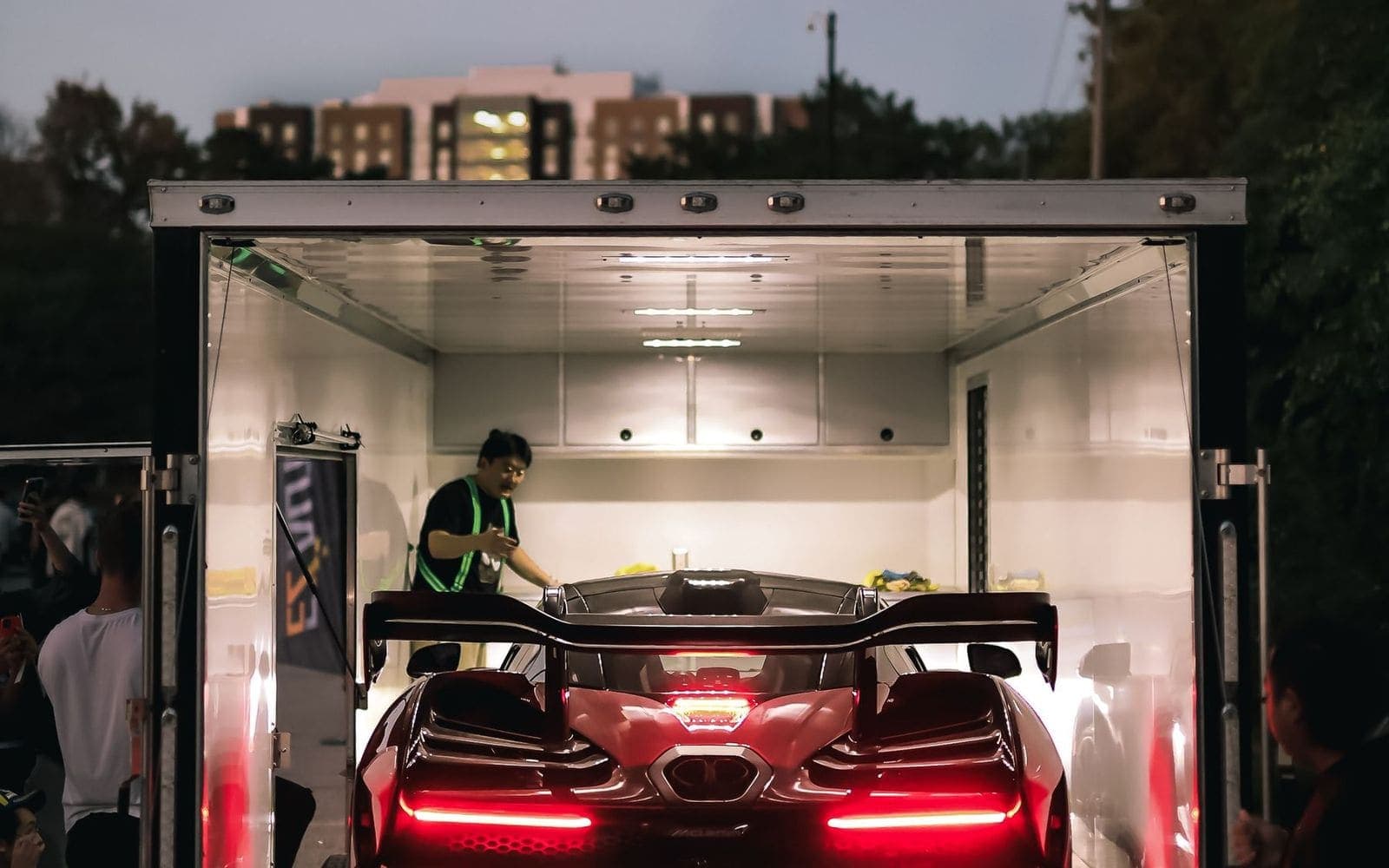
Open transport is the right choice for most daily-driver cars and costs 30–45% less. Choose enclosed for cars worth more than about $70,000, classics, low-clearance exotics, or when you cannot accept any exposure to weather.
Read the guide
9 min read
Get quotes, pick a carrier, hand over the keys with an inspection report, and receive the car on delivery. The whole process takes 60 seconds to start and 1–10 days to finish, depending on distance.
Read the guide
8 min read
The common scams are lowball quotes that jump after pickup, large non-refundable deposits, fake DOT numbers and cars held for “storage fees”. Verify the MC number on FMCSA, never pay a deposit to an unlicensed party, and get the price in writing.
Read the guideSixty seconds in the quote form and a specialist calls with a firm price from a licensed carrier within business hours.
Average response time under 5 minutes during business hours (Mon–Sun 7am–9pm ET).
Last updated September 12, 2026 · Written by the AutoShippingUS Editorial Team · Reviewed by Christofer Whiteman, Editor · Industry review by Sarah Williams, Independent auto transport consultant, 20 years in the industry