
New York to Florida
- Distance
- 1,200 mi
- Transit
- 3–5 days
- Open from
- $900
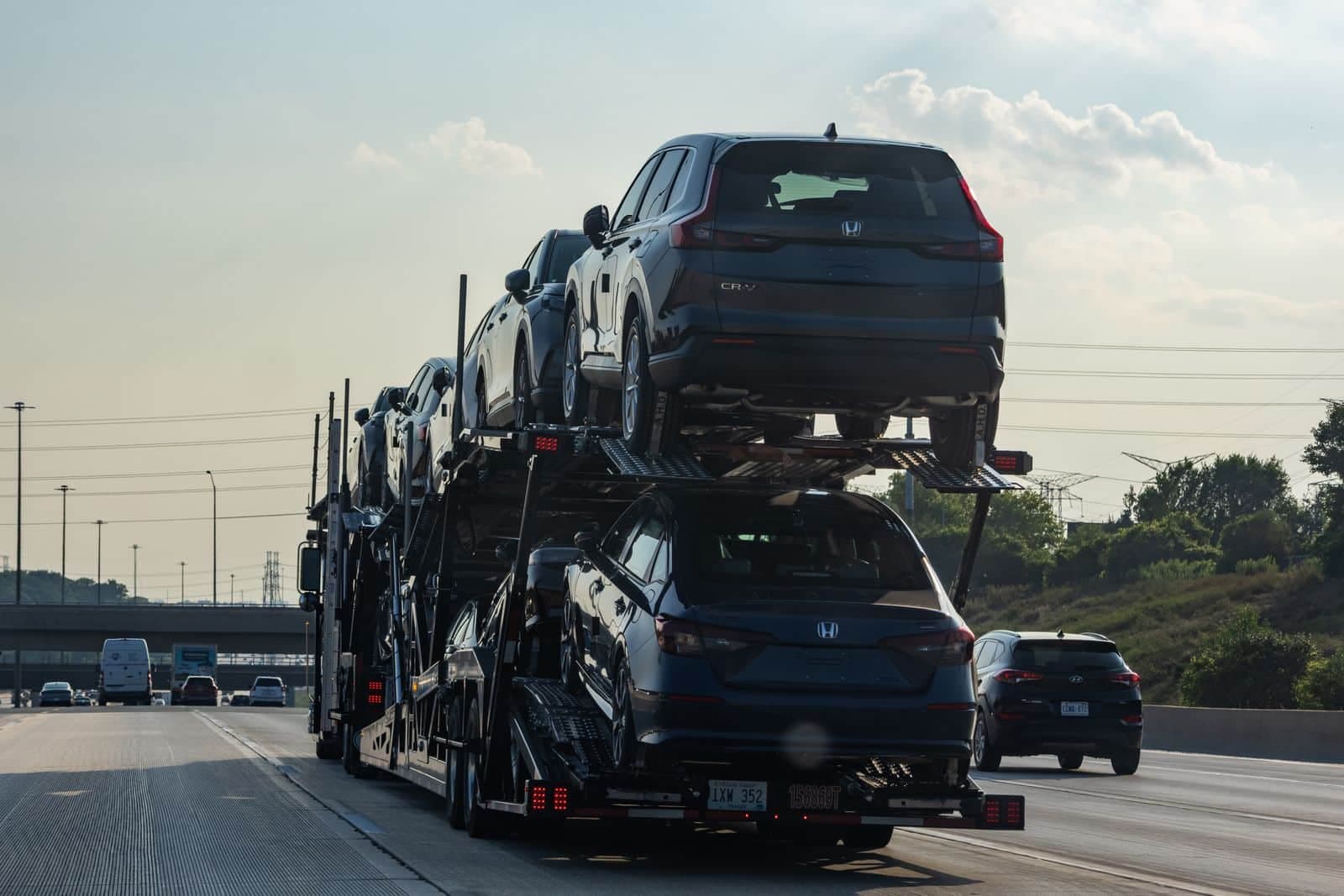
Pricing
Enter both ends of the trip and the vehicle for an instant range, road miles and transit window. No contact details needed; the quote form is here when you want a firm carrier price.
Compare quotes from licensed, bonded carriers.
No obligation · Takes 60 seconds · We never sell your data
Calculator
Type both ends of the trip and pick the vehicle. The range updates as you type; nothing is sent anywhere and no contact details are needed.
Estimated cost
Enter a pickup and a delivery to see the range, the road miles and the transit window.
Working out a car shipping price takes four inputs, and this page gives you all of them. Start with the distance band in the table above: under 500 miles, 500 to 1,500, or cross-country. The per-mile rate falls as the distance rises, from about $1.80 on a short hop to under $0.60 coast to coast, with a minimum fare so very short trips are priced realistically. Then adjust for the vehicle: an SUV runs about 12% more than a sedan, a pickup 20%, a van 25%, and a dually or lifted truck up to 45%. Add 40–60% for an enclosed trailer, about $150 if the car does not run, and 5–10% if you are moving in a snowbird or summer peak month.
The result is a range because carriers set the final price when they accept the load. A truck with two empty spots heading your way will take the low end; a truck being asked to detour on a fixed date in November will quote the high end. Everything in between is a matter of how flexible your dates are and how many carriers are running the lane that week.
Use the figures to sanity-check a quote you already have, to budget a move before you have exact addresses, or to see how much a different vehicle or trailer changes the number. When you are ready for a firm price, the quote form takes the same inputs plus your addresses, measures the road miles between them, and a specialist confirms with carriers running your route.
Price table
Running sedan, flexible pickup window, open carrier unless stated. Ranges come from carrier quotes received on these lanes and are re-checked each season.
| Distance | Open carrier | Enclosed carrier | Transit |
|---|---|---|---|
| Under 300 miles | $500 – $650 | $725 – $950 | 1–2 days |
| 300–600 miles | $525 – $725 | $775 – $1,050 | 1–3 days |
| 600–1,000 miles | $700 – $1,000 | $1,000 – $1,450 | 2–4 days |
| 1,000–1,500 miles | $900 – $1,250 | $1,300 – $1,800 | 3–5 days |
| 1,500–2,000 miles | $1,100 – $1,550 | $1,600 – $2,250 | 4–7 days |
| 2,000–2,500 miles | $1,300 – $1,800 | $1,900 – $2,600 | 5–8 days |
| Over 2,500 miles | $1,450 – $2,000 | $2,100 – $2,950 | 7–10 days |
Running sedan, flexible pickup window. SUVs add about 12%, pickups 20%, inoperable vehicles about $150.
What moves the price
Per-mile rates fall from about $1.80 on short hops to under $0.60 coast to coast. Busy corridors such as I-95 and I-10 price lower than rural pickups because more trucks compete for the load.
A sedan is the baseline. SUVs add about 12%, pickups 20%, vans 25%, and oversized or lifted trucks up to 45%, because each takes more deck space and weight from a truck with fixed limits on both.
Enclosed trailers carry two to six cars instead of eight to ten and there are far fewer of them, so the same trip costs 40–60% more. The protection is worth it for some cars and unnecessary for most.
A car that starts and drives loads in minutes. One that has to be winched adds about $150 and narrows the pool of trucks, since not every carrier has a winch.
October through January southbound, spring northbound and the summer moving season run 5–10% higher. A pickup window of three to five days instead of a fixed date is worth roughly the same amount in the other direction.
Carriers adjust rates when diesel moves sharply. Our ranges are refreshed each season, so what you see reflects current fuel costs rather than a stale table.
Vehicle types
How each vehicle class changes the price against a standard sedan on the same lane.
Sedans and coupes
Baseline price
SUVs and crossovers
About 12% more
Pickup trucks
About 20% more
Vans and minivans
About 25% more
Motorcycles
Crated or strapped, from 20% less
Classic and exotic
Enclosed recommended
Electric vehicles
Ship at 30–50% charge
Inoperable
Winch loading, about $150 more
The single biggest lever is time. Booking two to three weeks ahead and offering a pickup window of a few days lets a carrier fit your car into a load that is already going your way, which is exactly when they quote low. A fixed date inside a week does the opposite.
The second lever is the trailer. If the car is a daily driver, open transport saves 40–60% for no practical loss. The third is honesty about the vehicle: telling us about a lift kit, oversized tires or a car that will not start avoids a surprise at pickup, and lets us match a truck that can actually take it at the right price.
Smaller savings come from shipping two cars together (typically 10–15% less per car), avoiding the peak months where your dates allow, and choosing a pickup or delivery point on a major corridor rather than well off it. What does not save money: chasing the lowest quote from an unknown broker. A price far below the range usually means the load will sit unclaimed until it is raised.
Routes
Each route page has a price table by vehicle and month-by-month demand.
Questions
Not covered here? A specialist can answer route-specific questions in a couple of minutes.
888-706-8784The distance-band table and the vehicle, trailer and season factors on this page are the same ones our route pages are built from, so a firm carrier quote lands inside the range you work out most of the time. What the table cannot see is your exact addresses and the week's carrier availability, which is what the specialist confirms by phone.
Because the final number is set by a carrier accepting your load for your dates, and different carriers on the same lane quote differently depending on how full their truck is. The low end is what a flexible booking in a quiet month achieves; the high end is a fixed date in peak season.
Yes. There is no booking fee, no fuel surcharge added later and no deposit to us. The carrier's price is the full price, paid partly or wholly at delivery. The only additions would be for things you tell us about, such as an inoperable vehicle or oversized tires.
A truck has the same loading, unloading and scheduling costs whether it drives 200 miles or 2,000. Over a short distance those fixed costs dominate, which is why anything under 300 miles has a minimum of about $350–$500 even though the per-mile rate looks high.
Use the quote form. It asks for the pickup and delivery addresses, measures the road miles between them, takes the vehicle and your contact details, and a specialist calls with firm prices from carriers running your lane.
Yes. Snowbird months (October through January southbound, March through May northbound) and the summer moving season lift prices 5–10% on the affected lanes. Add that to the table figure for a peak-month move; the route pages show the whole year month by month.
On most lanes. The gap is narrower on short regional runs where enclosed trucks are plentiful and wider on cross-country routes where they are scarce. The table uses the typical multiplier; the specialist confirms the enclosed carriers actually available for your dates.
Guides
8 min read
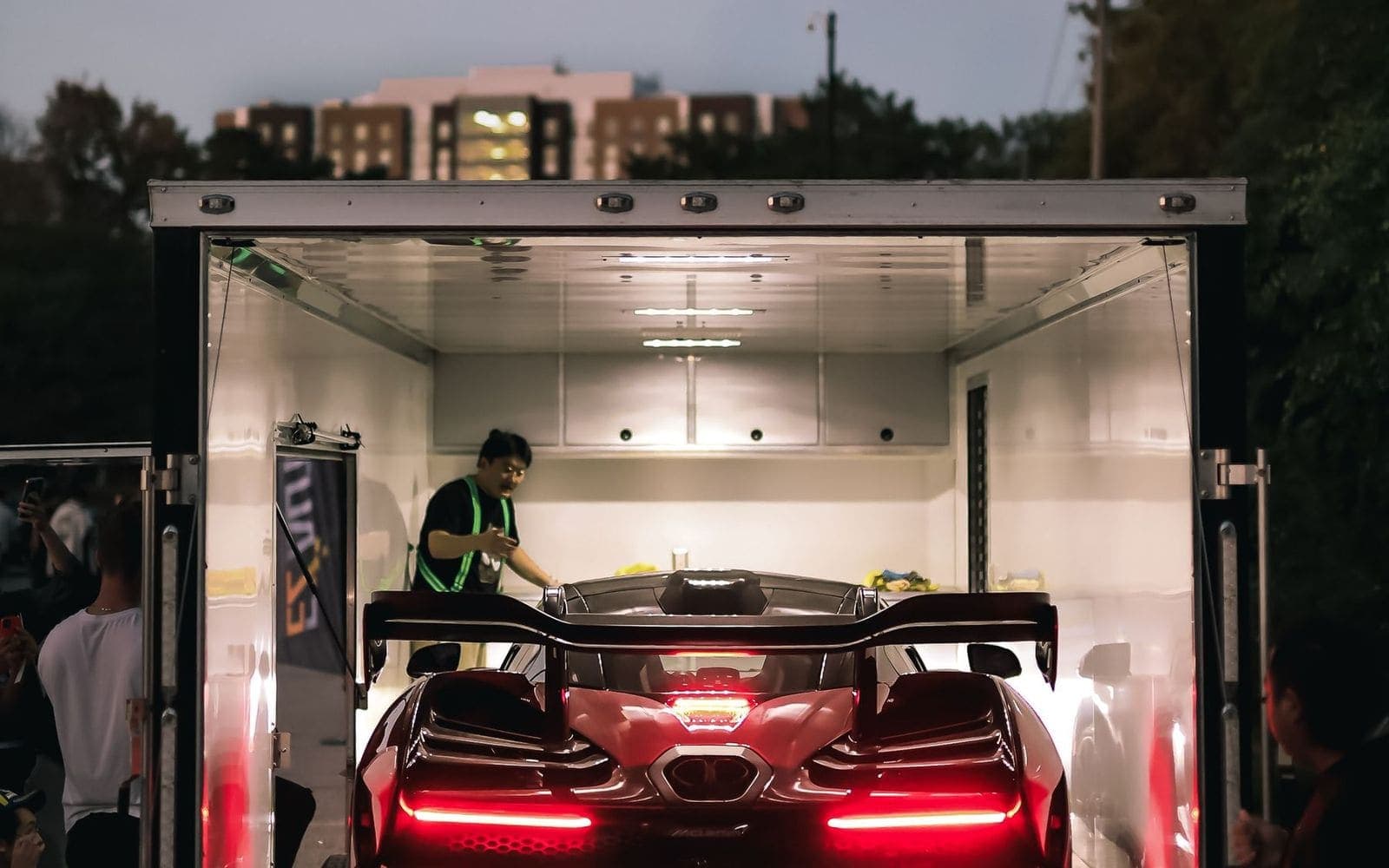
Open transport is the right choice for most daily-driver cars and costs 30–45% less. Choose enclosed for cars worth more than about $70,000, classics, low-clearance exotics, or when you cannot accept any exposure to weather.
Read the guide
9 min read
Get quotes, pick a carrier, hand over the keys with an inspection report, and receive the car on delivery. The whole process takes 60 seconds to start and 1–10 days to finish, depending on distance.
Read the guide
8 min read
The common scams are lowball quotes that jump after pickup, large non-refundable deposits, fake DOT numbers and cars held for “storage fees”. Verify the MC number on FMCSA, never pay a deposit to an unlicensed party, and get the price in writing.
Read the guideSixty seconds in the quote form and a specialist calls with a firm price from a licensed carrier within business hours.
Average response time under 5 minutes during business hours (Mon–Sun 7am–9pm ET).
Last updated September 12, 2026 · Written by the AutoShippingUS Editorial Team · Reviewed by Christofer Whiteman, Editor · Industry review by Sarah Williams, Independent auto transport consultant, 20 years in the industry