When is snowbird season for car shipping?
Two migrations, each about three months long. Southbound runs from the first week of October through early January, peaking in November and December, as residents of the Northeast and Midwest head for Florida, Arizona and the Gulf Coast. Northbound runs from mid-March through early May, peaking in April, as they return. Minnesota and the upper Midwest run a month earlier in the fall because winter arrives sooner.
Prices follow the calendar. Carriers fill their trucks from the highest-paying loads down, so a southbound shipment booked with ten days' notice in mid-November lands at the top of the range. The same lane in February or early March, when trucks head south nearly empty to collect the returning cars, is the cheapest time of the year. If your dates are yours to choose, shipping a week or two either side of the peak saves real money.
How much does snowbird car shipping cost?
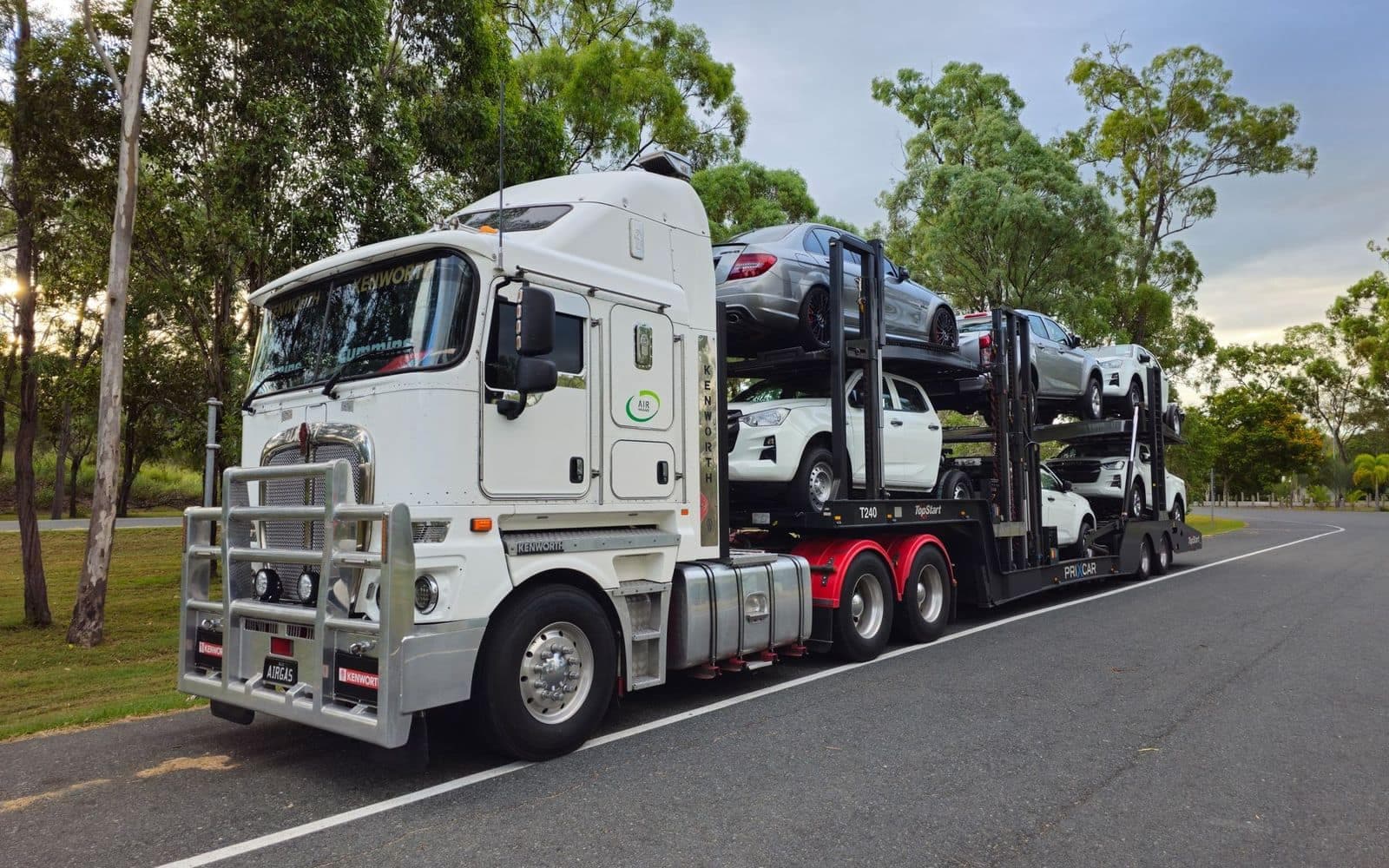
From the Northeast to Florida, a running sedan on an open carrier is $850 to $1,450 depending on the exact lane: New Jersey and Pennsylvania a little lower, New York in the middle, Massachusetts a little higher. From the Midwest to Florida, Illinois, Michigan and Ohio run $850 to $1,350. To Arizona, Chicago and Minneapolis are $1,100 to $1,550 and Detroit $1,200 to $1,700, reflecting the extra distance. Enclosed transport adds 40 to 60 percent on every lane. SUVs, the most common snowbird vehicle after the full-size sedan, add about 12 percent.
Two things move the number within those ranges. Timing, as above. And delivery location within the destination state: Naples, Fort Myers and Miami are a driving day further than Orlando or Jacksonville and add $50 to $100; Tucson is similar against Phoenix.
Ready to get a number for your car?
Sixty seconds in the form and a specialist calls with a firm quote from a licensed carrier within business hours.
How far ahead should I book, and should I book the return now?
Two to three weeks before your first available pickup date in the fall. Carriers plan loads about a week out, and a car already on the board when they build the November routes is placed first and priced best. Inside a week is possible on the big lanes but costs more; inside 48 hours is an expedited booking.
Book the return at the same time. The northbound schedule in April is the tightest of the year, because every truck leaving Florida is full and nobody wants to ship in May's heat. Reserving the spring slot in October holds your place, and the two legs are priced as a pair. If you did not book it in the fall, book it by early March.
How does delivery work if I have not arrived yet?
Most snowbirds ship the car a week before they fly and have it delivered to the winter address before they land. Name the person who will receive it when you book: a neighbour, a relative already down, the property manager or the community office. Send them the pickup photographs and the signed bill of lading so they can compare at delivery, and give them the driver's number. They inspect, sign and pay the balance in the form agreed, and the keys are waiting when you arrive.
Gated and age-restricted communities are the norm on these lanes, and drivers know them. Most restrict commercial trucks, so the driver arranges to meet at the visitor gate, the clubhouse lot or a plaza just outside, and the car is driven the last stretch. It does not change the price.
What should I do to the car before it ships?
Fuel at about a quarter tank. Personal belongings out, or under 100 pounds in the trunk and uninsured. Toll transponder out of the windshield. Photographs of every panel, the wheels and the odometer in daylight. Keep your own auto insurance active for the winter rather than suspending it; some carriers require it, and it is your second layer of cover while the car is on the truck.
Open or enclosed for a winter trip?
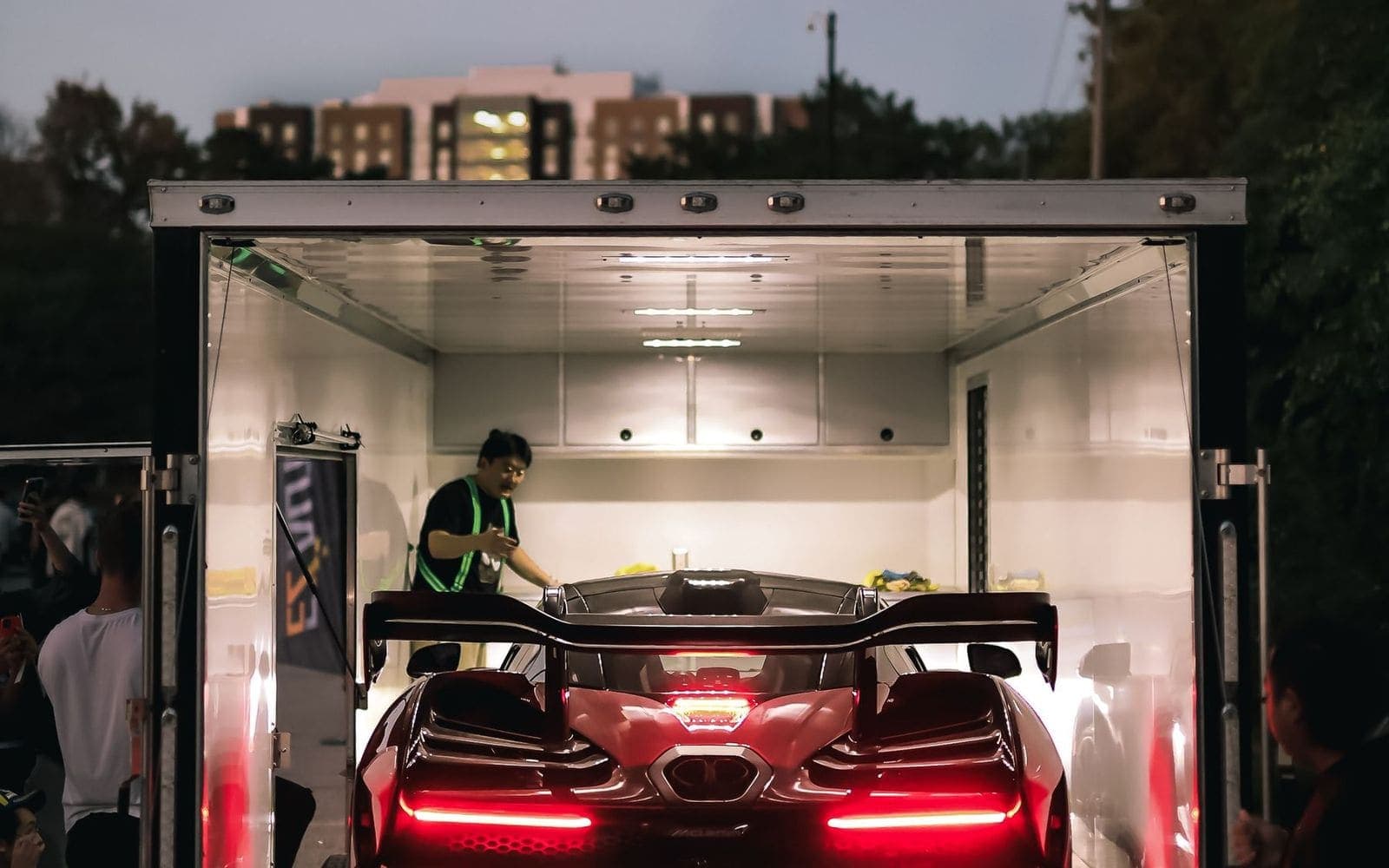
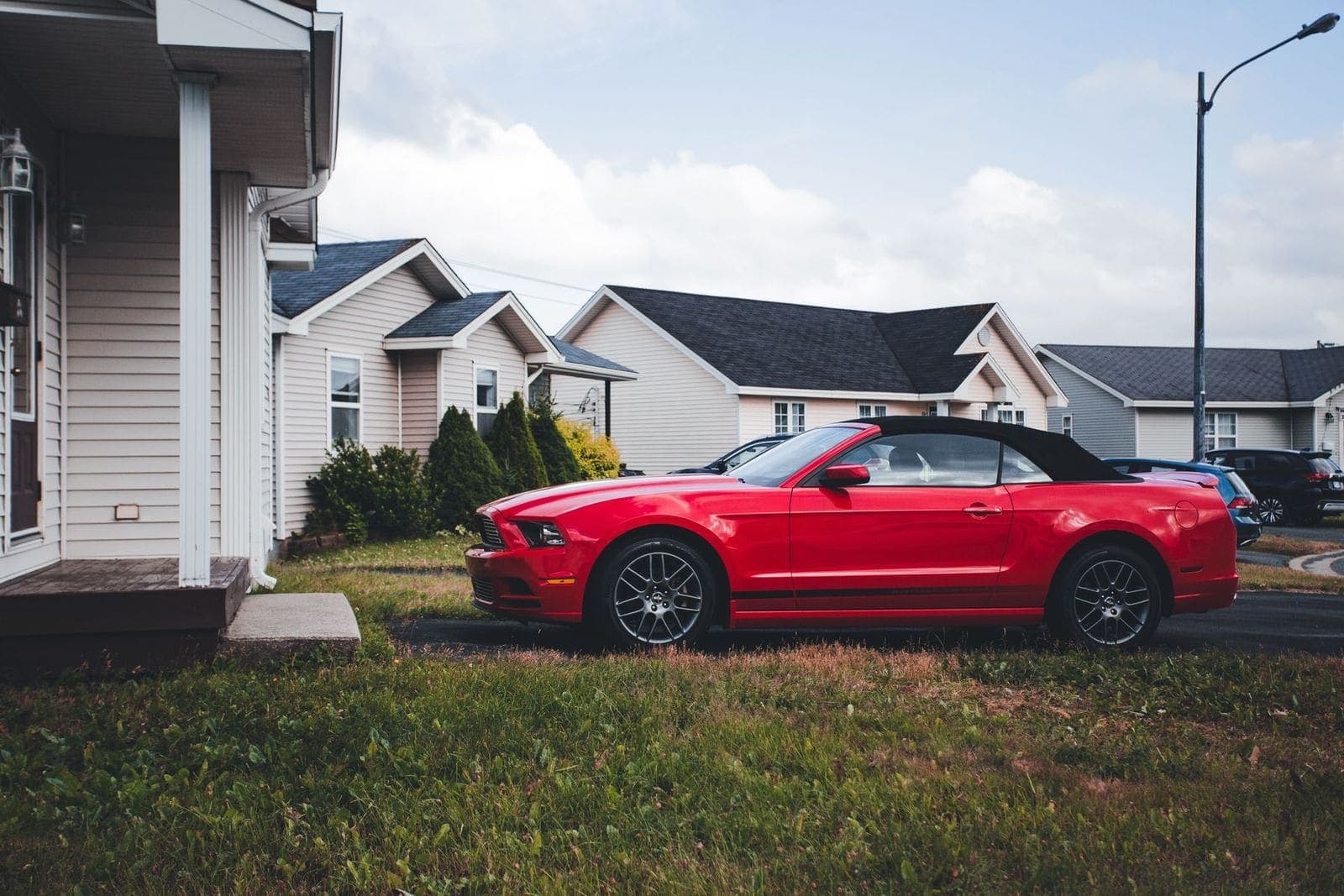
For most snowbird cars, open. The vehicle is a daily driver, it will be washed on arrival anyway, and the 40 to 60 percent premium for an enclosed trailer buys a lot of car washes. The case for enclosed is a specific one: a convertible with a fabric top, a classic, a recently painted or ceramic-coated car, or a low-clearance sports car that needs a liftgate. Those cars, making the December run over roads salted from Maine to Virginia, are worth protecting.
What can go wrong, and how is it handled?
Weather is the usual disruption. Hurricane watches in Florida in October and early November, ice storms in the Northeast in December, and lake-effect snow across the Midwest can each hold a pickup or delivery by a day or two. Carriers wait rather than drive into it, nothing is charged for the delay, and your specialist can move the pickup around your flight if the two collide.
The second is a receiver who is unavailable when the truck arrives. Name a backup person at booking. A car that cannot be delivered rides to the driver's next stop or goes to a yard with storage fees, which is the one avoidable way a snowbird shipment becomes expensive.
The third is a car that will not start at the fall pickup after sitting through a cold snap. Start it the morning of loading. A car that has to be winched aboard is a surcharge and sometimes a different truck.
How do I book?
Enter the northern and southern addresses, the vehicle and your first available date in the quote form. You will see the seasonal range for your lane before you enter a phone number. A specialist calls with firm prices, asks about your flight and the community's gate rules, and offers the spring return at the same time.
AutoShippingUS Editorial Team
Logistics research and pricing desk. Pricing and timing figures are refreshed from carrier quotes each season.
Reviewed by Christofer Whiteman, Content Editor, AutoShippingUS.
Industry review by Sarah Williams, Independent auto transport consultant, 20 years in the industry.
Last updated September 12, 2026 · Written by the AutoShippingUS Editorial Team · Reviewed by Christofer Whiteman, Editor · Industry review by Sarah Williams, Independent auto transport consultant, 20 years in the industry