

Miami, FL
Car shipping Miami
Southern end of the I-95 lane; high-rise and gated pickups need a meeting point.
City guide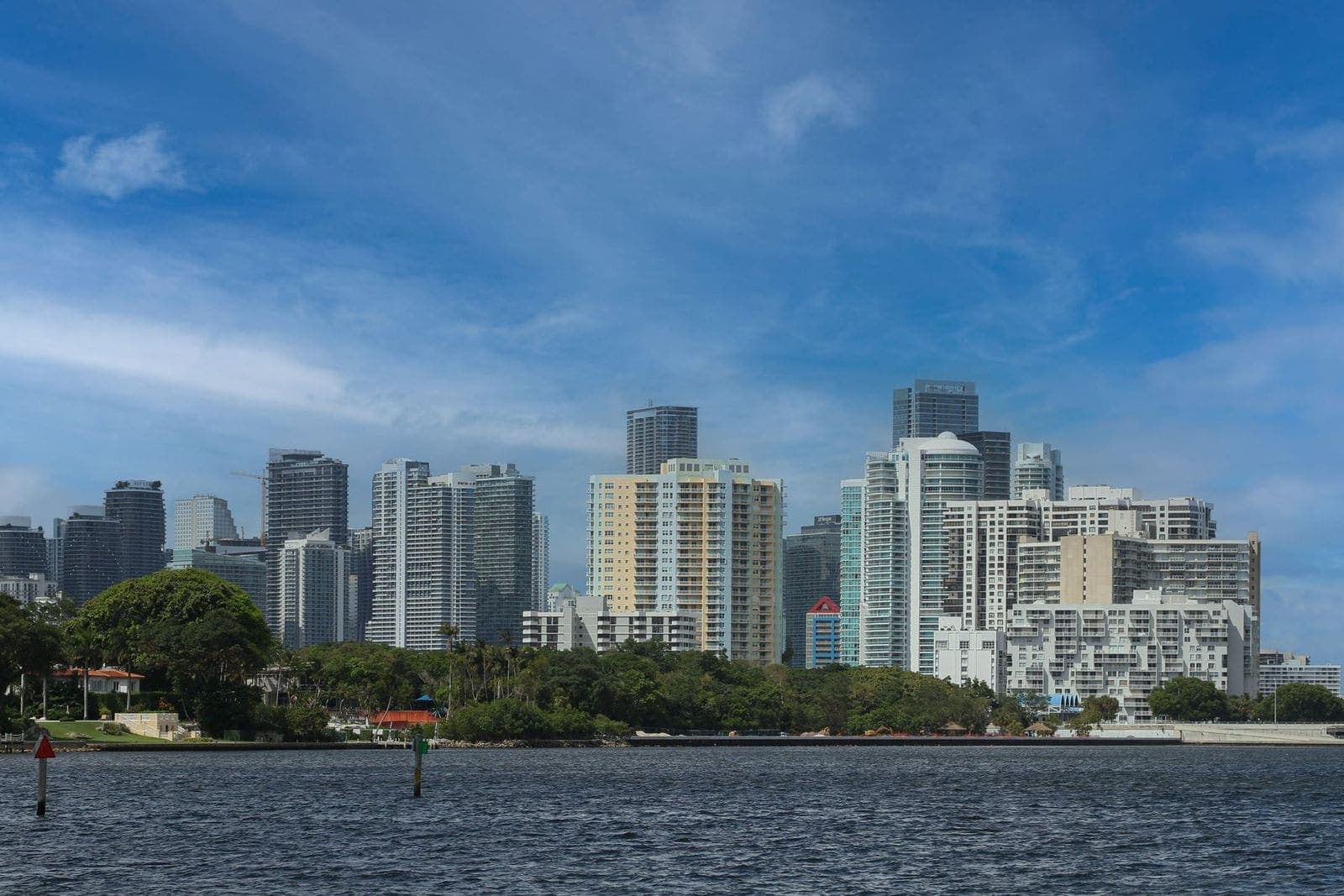
Southeast · FL
Into Florida from $850 · Out of Florida from $800 · Door-to-door in Miami, Orlando, Tampa and statewide
Compare quotes from licensed, bonded carriers.
No obligation · Takes 60 seconds · We never sell your data
More cars are shipped into Florida each year than into any other state, and the flow has a rhythm. From October through January, carriers run south full of snowbird vehicles from New York, New Jersey, Pennsylvania, Massachusetts, Illinois, Michigan, Ohio and Minnesota. From March through May, the same trucks run north full. In between, relocations, university moves, online car purchases and dealer transfers keep the lanes busy but not crowded. If you know where your dates fall in that calendar, you know roughly what you will pay.
The state's geography helps. Four interstates carry almost all the traffic: I-95 down the Atlantic coast, I-75 down the Gulf side, I-4 across the middle between Tampa and Daytona, and I-10 along the Panhandle. Every major metro is on one of them, so carriers reach Jacksonville, Orlando, Tampa, Fort Lauderdale, Miami, Naples and Fort Myers without leaving the interstate system for long. That density is why inbound prices are competitive even at the peak: a truck that has just unloaded in Naples can fill again in Tampa for the trip north.
This page covers what it costs to ship into and out of Florida from the origins that matter most, the routes carriers run in each direction, the nine Florida cities with their own guides, and the practical side of delivering in a state where a large share of addresses sit behind a gate.
Inbound
The lanes carriers run into Florida most often, with current open and enclosed ranges.
| Pickup | Distance | Transit | Open carrier | Enclosed |
|---|---|---|---|---|
| From New York | 1,200 mi | 3–5 days | $900 – $1,300 | $1,300 – $1,900 |
| From New Jersey | 1,150 mi | 3–5 days | $875 – $1,275 | $1,250 – $1,850 |
| From Pennsylvania | 1,100 mi | 3–5 days | $850 – $1,250 | $1,225 – $1,800 |
| From Massachusetts | 1,400 mi | 4–6 days | $1,000 – $1,450 | $1,450 – $2,100 |
| From Illinois | 1,250 mi | 3–5 days | $950 – $1,350 | $1,350 – $1,950 |
| From Michigan | 1,250 mi | 3–5 days | $950 – $1,350 | $1,350 – $1,950 |
| From Ohio | 1,050 mi | 3–5 days | $850 – $1,225 | $1,225 – $1,775 |
| From Minnesota | 1,650 mi | 4–7 days | $1,100 – $1,550 | $1,600 – $2,300 |
Sedan, running, standard pickup window. Select a route for the full price table by vehicle type.
Cities
Each city guide covers pickup logistics, the nearest carrier terminal and price examples to the most common destinations.
Miami, FL
Southern end of the I-95 lane; high-rise and gated pickups need a meeting point.
City guide
Orlando, FL
Central Florida hub with suburban driveways that carriers reach easily.
City guide
Tampa, FL
Gulf Coast delivery point for Midwest snowbirds coming down I-75.
City guide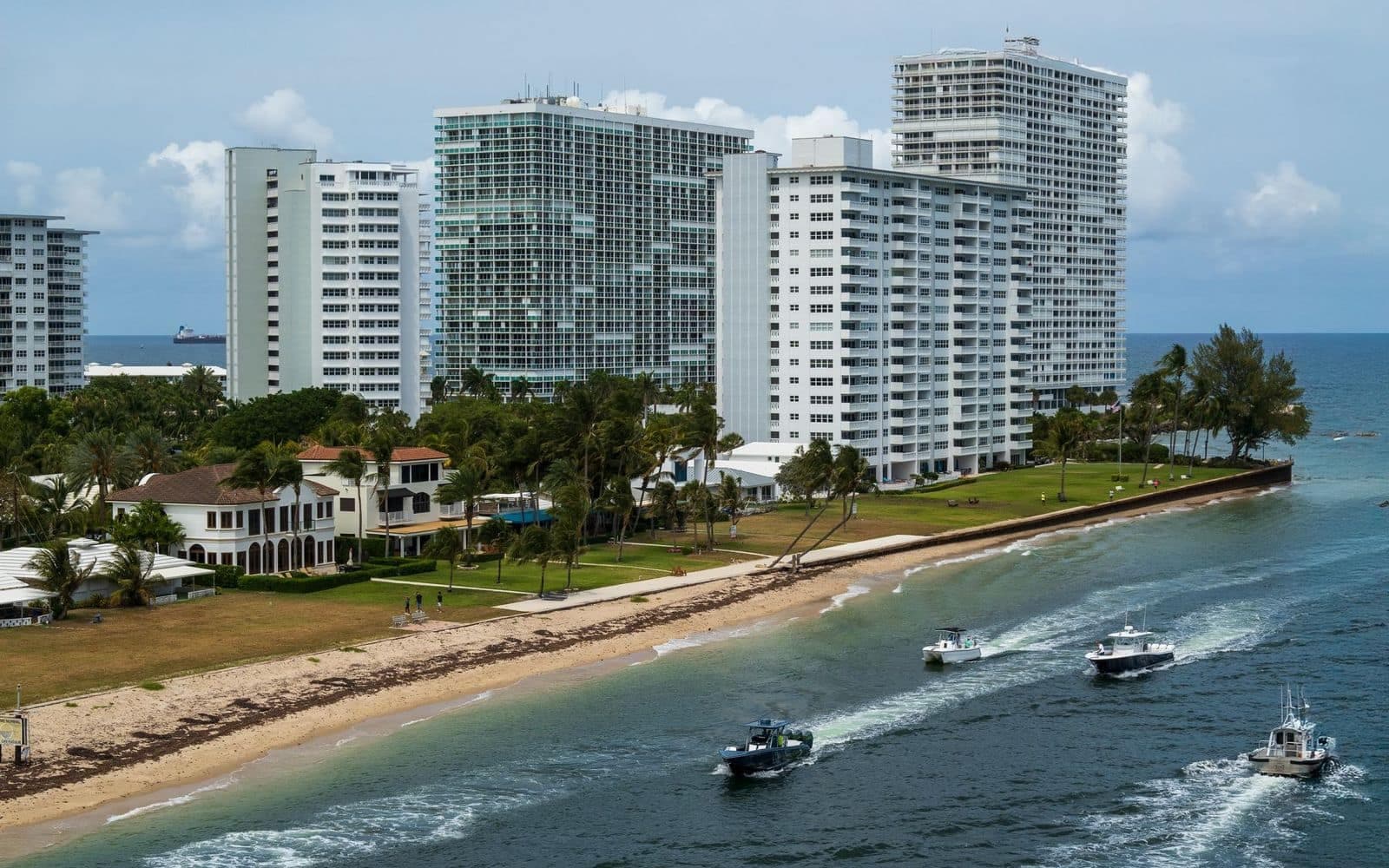
Fort Lauderdale, FL
Broward County drop-offs are fast; waterfront condos usually mean a nearby lot handoff.
City guide
Jacksonville, FL
The first Florida stop on I-95, so southbound carriers arrive here fastest.
City guide
Naples, FL
Gated-community capital of the Gulf Coast; gate access and HOA rules decide the delivery spot.
City guide
Fort Myers, FL
Lee County is the natural end of the I-75 Midwest snowbird run.
City guide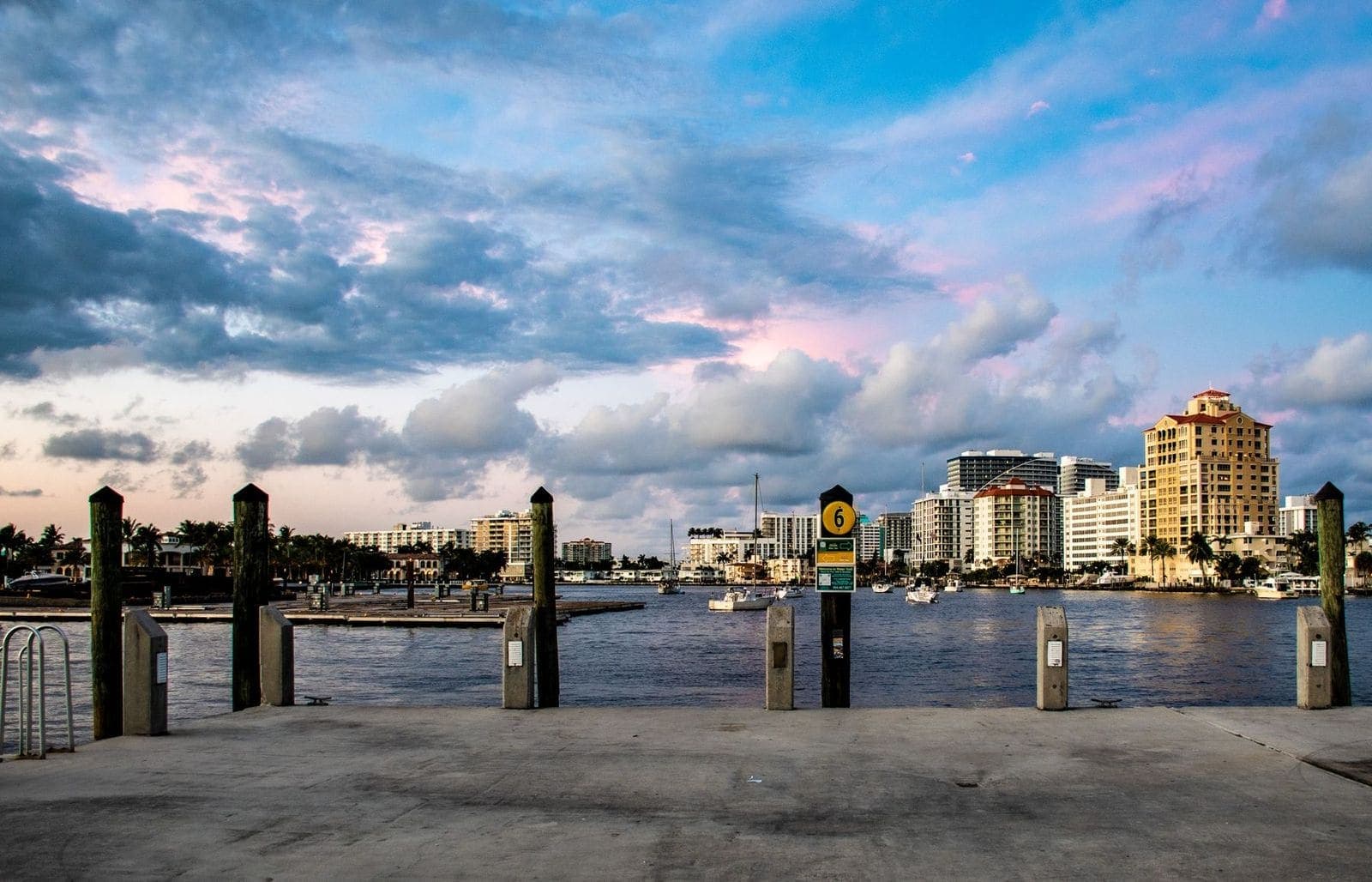
West Palm Beach, FL
Palm Beach County drop-offs from the Northeast typically run three to five days on I-95.
City guide
The Villages, FL
One of the largest snowbird destinations in the country; golf-cart streets shape where carriers can park.
City guideCost
Running sedan, flexible pickup window. Ranges come from carrier quotes received on these lanes and are re-checked each season; inbound Florida shipments run $850–$1,450 on the busiest lanes.
| Lane | Open carrier | Enclosed carrier | Transit |
|---|---|---|---|
| New York to Florida (1,200 mi) | $900 – $1,300 | $1,300 – $1,900 | 3–5 days |
| New Jersey to Florida (1,150 mi) | $875 – $1,275 | $1,250 – $1,850 | 3–5 days |
| Massachusetts to Florida (1,400 mi) | $1,000 – $1,450 | $1,450 – $2,100 | 4–6 days |
| Illinois to Florida (1,250 mi) | $950 – $1,350 | $1,350 – $1,950 | 3–5 days |
| Michigan to Florida (1,250 mi) | $950 – $1,350 | $1,350 – $1,950 | 3–5 days |
| Ohio to Florida (1,050 mi) | $850 – $1,225 | $1,225 – $1,775 | 3–5 days |
| Texas to Florida (1,100 mi) | $850 – $1,250 | $1,250 – $1,800 | 3–5 days |
| Georgia to Florida (500 mi) | $450 – $700 | $700 – $1,050 | 1–3 days |
| California to Florida (2,730 mi) | $1,400 – $1,950 | $2,000 – $2,900 | 6–9 days |
Running sedan, flexible pickup window. SUVs add about 12%, pickups 20%, inoperable vehicles about $150.
Florida is the busiest inbound car shipping state in the country, and that volume is the reason the prices are as predictable as they are. From the Northeast, a sedan on an open carrier costs $875–$1,300 depending on the exact lane: New Jersey and Pennsylvania are a shade cheaper than New York, Massachusetts a shade more. From the Midwest, Illinois, Michigan and Ohio to Florida run $850–$1,350. Texas to Florida is $850–$1,250, Georgia to Florida $450–$700, and California to Florida, the long southern crossing on I-10, $1,400–$1,950. Enclosed transport adds 40–60% on each.
The table above lists the main lanes with distances, ranges and transit windows. Within Florida, the delivery city moves the price only slightly: Miami, Fort Lauderdale and Naples are a driving day further than Jacksonville and Orlando, and that shows as $50–$100 on the total.
Two things about Florida are different from other states. The first is the season. From mid-October to early January southbound trucks are full of snowbird cars and prices sit at the top of the range; from February to April the same trucks run south half-empty and prices drop to the bottom. The second is delivery access. A large share of Florida addresses are in gated or age-restricted communities that limit commercial trucks, so drivers routinely meet customers at the gate or a nearby plaza. It is normal on every lane and does not affect the price.
Georgia is a one-day hop; the Northeast and Midwest are three to five days; California is a week. Price follows distance, at a falling per-mile rate.
October through January southbound and March through May northbound are peak. Expect the top of the range then and the bottom in February to April.
South Florida and the Gulf Coast below Sarasota are a day further than the I-4 corridor. It adds $50–$100, not more, because the lanes are so well served.
The retiree fleet skews to full-size sedans and SUVs. An SUV adds about 12% to the price, a pickup 20%, a van 25%.
Open is the default for daily drivers. Enclosed runs 40–60% higher and earns it for convertibles, classics and freshly painted cars making the December run over salted roads.
Late August through October can bring a day or two of delay in South Florida. Carriers wait it out at no charge; specialists keep you updated.
The calendar is worth more than any negotiation. If you can ship in February, March or April, or in late summer, you avoid the snowbird premium entirely and land at the low end of the range. If you must move in November, book two to three weeks ahead and give a pickup window of a few days; carriers filling southbound loads will place a flexible car first and cheapest.
Book the return trip at the same time if you will need one. The northbound schedule in April is the tightest of the year, and reserving it in the fall holds your spot and prices both legs together.
Choose open transport for a daily driver, and if two vehicles are going south from the same address, ship them together for a lower price on each. Finally, be specific about the delivery address. A community with a truck restriction is fine, but telling the specialist in advance lets the driver plan the meeting point instead of discovering the gate on the day.
After delivery
The paperwork Florida asks of a new resident, so you can book the DMV visit for the week the car lands rather than discover it at the counter.
Register within 30 days of establishing residency, taking a job or enrolling children in school.
VIN and odometer verification is required for a vehicle titled out of state (form HSMV 82042), completed by a law-enforcement officer, a licensed Florida dealer or a notary; it can be done before the car ships or after it arrives.
No periodic safety or emissions inspection.
Proof of Florida insurance is required before the county tax collector will register the car. Bring the out-of-state title.
Source: Florida Highway Safety and Motor Vehicles (FLHSMV) . Checked September 15, 2026. Deadlines and inspection rules change; confirm on the official page before you go.
Gated and age-restricted communities are the defining feature of Florida deliveries. From Boca Raton and the Palm Beaches down to Naples and Marco Island, and across the retirement communities around The Villages and Ocala, commercial trucks are restricted or banned inside the gate. Drivers know this. The day before delivery they call to agree a meeting point, usually the visitor entrance, the clubhouse parking lot or a shopping plaza just outside, and you or your representative drives the last mile. High-rise condo towers along the coast work the same way: the car is delivered on the street or in a nearby lot because the garage clearance is too low for a truck.
Weather shapes the calendar at both ends of the year. Late August through October is hurricane season, and a storm watch pauses pickups and deliveries in its path for a day or two; nothing is charged for the hold. Summer afternoons bring daily thunderstorms that can push a delivery from three o'clock to five. Winter is dry and easy, which is part of why the snowbird season runs when it does.
Ports matter for a subset of customers. Port of Miami, Port Everglades in Fort Lauderdale, JAXPORT in Jacksonville and Port Tampa Bay all handle vehicles for export to the Caribbean, Latin America and beyond. Carriers deliver to freight forwarders and port yards during business hours, and the specialist needs the forwarder's name and the vessel cut-off to schedule it.
Paperwork for a domestic shipment is light: keys and a photo ID at pickup, and the name and phone number of whoever receives the car. Florida does not require any state form to ship a vehicle in or out. If the car is arriving to be registered in Florida, the shipment paperwork is not needed for the DMV, but keep the bill of lading for your own records. Leave the fuel at about a quarter tank, take personal items out, and have the receiver compare the car against the pickup report before signing at delivery.
Services
Chosen from what ships on these lanes, not a generic list.
Seasonal shipping to Florida and Arizona each fall, and home again in spring. Book early for the best window.
Learn moreThe carrier picks up and delivers as close to your address as the truck can safely get. No terminals, no extra trips.
Learn moreHard-sided trailers for classic, exotic, luxury and low-clearance cars. Weather and road-debris protection.
Learn moreQuestions
Not covered here? A specialist can answer route-specific questions in a couple of minutes.
888-706-8784$850–$1,450 for a running sedan on an open carrier from the Northeast or Midwest, $450–$700 from Georgia, $850–$1,250 from Texas and $1,400–$1,950 from California. Enclosed adds 40–60%. October to January prices at the top of each range; February to April at the bottom.
Three to five days on the truck from New York, Chicago or Detroit, one to three from Atlanta, three to five from Houston, six to nine from Los Angeles. Carrier assignment and pickup add one to five days at the front.
Jacksonville and Orlando, at the top of the peninsula and on the I-4 corridor. Miami, Fort Lauderdale, Naples and Fort Myers are a driving day further and cost $50–$100 more on most lanes.
Often not with the truck, so the driver meets you at the visitor gate, a nearby plaza or the clubhouse lot and you drive the car in. This is routine across Naples, Boca Raton, The Villages and Palm Beach County and does not change the price.
Late spring through early autumn, once the snowbird return has finished. The northbound peak is March through early May, when nearly every truck leaving the state is full and prices sit at the top of the range.
Port of Miami, Port Everglades and JAXPORT handle vehicle exports and imports, and carriers deliver to freight forwarders and port yards during business hours. Tell us the forwarder and the cut-off date so the delivery is scheduled inside it.
In late August through October, sometimes by a day or two. Carriers stop loading and delivering in a storm's path and resume when roads reopen. There is no charge for a weather hold and your specialist keeps you informed.
Yes. February through April is the cheapest window for southbound shipments, when trucks that just delivered snowbird cars are returning north and heading south again with empty spots. Late summer is the next best. October to January costs the most.
A little. Miami, Fort Lauderdale and Naples are a day further down the peninsula than Jacksonville or Orlando, and the extra miles show up as $50–$100 on most lanes. Gated communities and high-rise pickups do not change the price.
Georgia, at $450–$700 for the 500-mile trip from Atlanta, followed by the Carolinas and Tennessee. From the Northeast and Midwest the lanes all price within about $100 of each other for similar distances because carrier volume is so high.
Carriers run I-95 and I-75 daily. Tell us the route and vehicle and a specialist will confirm the price and the earliest pickup.
Average response time under 5 minutes during business hours (Mon–Sun 7am–9pm ET).
Last updated September 12, 2026 · Written by the AutoShippingUS Editorial Team · Reviewed by Christofer Whiteman, Editor · Industry review by Sarah Williams, Independent auto transport consultant, 20 years in the industry