
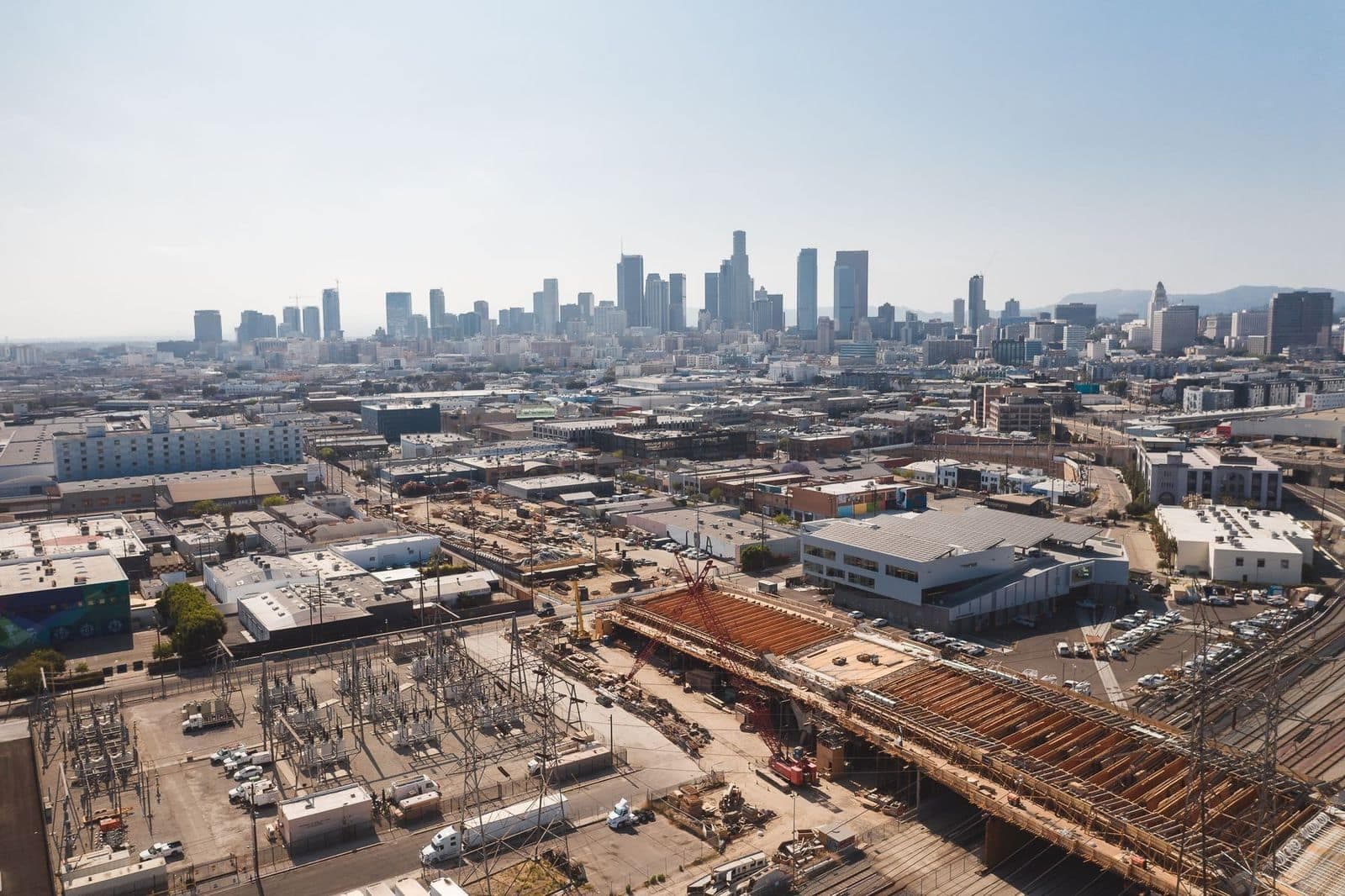
Los Angeles, CA
Car shipping Los Angeles
The largest car shipping origin in the country, with daily departures east on I-10 and I-40.
City guide
West · CA
Into California from $950 · Out of California from $950 · Door-to-door in Los Angeles, San Diego, San Francisco Bay Area and statewide
Compare quotes from licensed, bonded carriers.
No obligation · Takes 60 seconds · We never sell your data
California is the country's largest car market and its busiest outbound shipping state. Every week carriers leave Los Angeles, the Bay Area, San Diego and Sacramento loaded with relocations to Texas, Arizona and the Southeast, cars bought online by buyers across the country, students heading east and military families moving between the state's installations and the rest of the country. Inbound traffic is heavy too, from new residents, returning students and dealers restocking, but the outbound lanes set the prices.
Three corridors carry almost everything east. I-10 leaves Los Angeles through Palm Springs and Phoenix toward Texas and Florida. I-40 climbs out of Barstow across Arizona and New Mexico and is the main route to the Southeast and, via I-44 and I-70, the Northeast. I-80 leaves the Bay Area across Nevada and the plains to Chicago and New York. Within the state, I-5 links San Diego, Los Angeles, the Central Valley and Sacramento, and carriers use it to build loads before turning east. Los Angeles has the most carrier traffic and the lowest prices; the Bay Area adds a day and a little cost on most eastbound lanes.
This page covers the price of shipping into and out of California from the destinations that matter most, the routes carriers run in each direction, the five California cities with their own guides, and the state's particular considerations: city pickups, mountain passes in winter, electric vehicles and the ports.
Outbound
Leaving California? These are the destinations with the most carrier capacity.
| Delivery | Distance | Transit | Open carrier | Enclosed |
|---|---|---|---|---|
| To Texas | 1,500 mi | 3–6 days | $1,000 – $1,400 | $1,450 – $2,050 |
| To Florida | 2,730 mi | 6–9 days | $1,400 – $1,950 | $2,000 – $2,900 |
| To New York | 2,790 mi | 7–10 days | $1,450 – $2,000 | $2,050 – $2,950 |
| To Dallas, TX | 1,440 mi | 3–5 days | $975 – $1,350 | $1,400 – $1,975 |
| To New York City, NY | 2,790 mi | 7–10 days | $1,450 – $2,000 | $2,100 – $2,950 |
Sedan, running, standard pickup window. Select a route for the full price table by vehicle type.
Cities
Each city guide covers pickup logistics, the nearest carrier terminal and price examples to the most common destinations.
Los Angeles, CA
The largest car shipping origin in the country, with daily departures east on I-10 and I-40.
City guide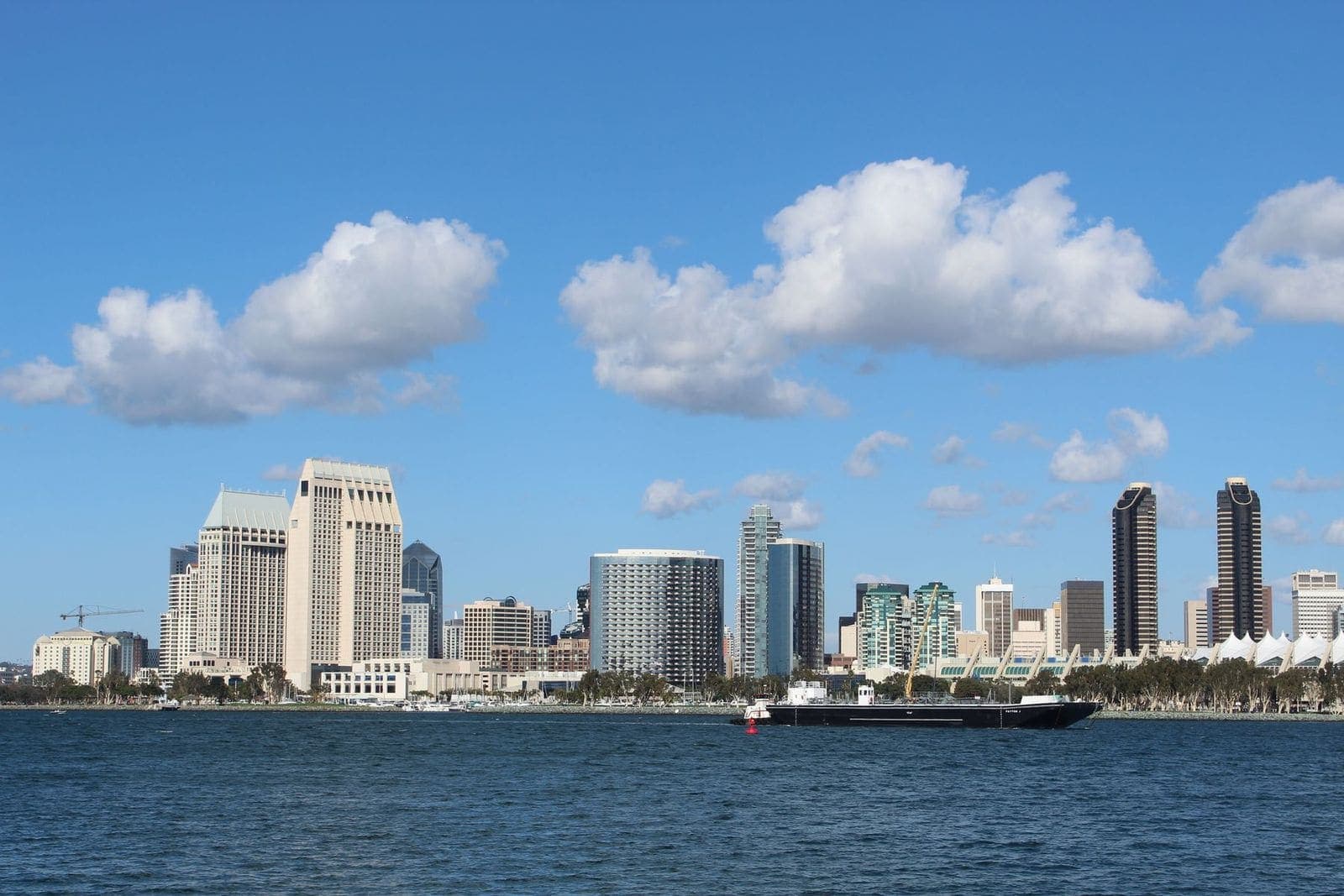
San Diego, CA
Navy and Marine Corps PCS traffic plus a strong enclosed market for coastal communities.
City guide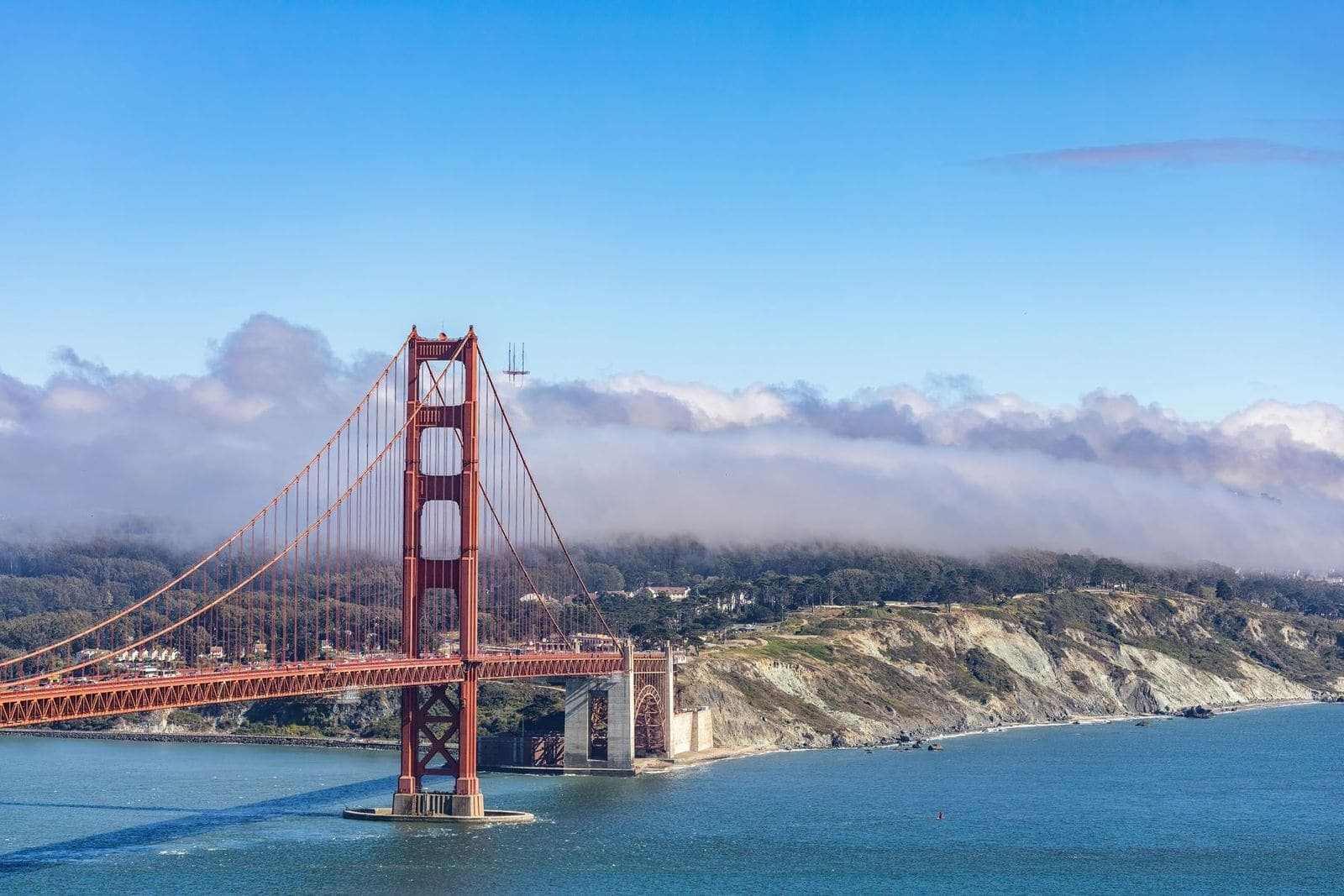
San Francisco, CA
Steep streets and dense neighborhoods mean most pickups happen at a nearby wide street or lot.
City guide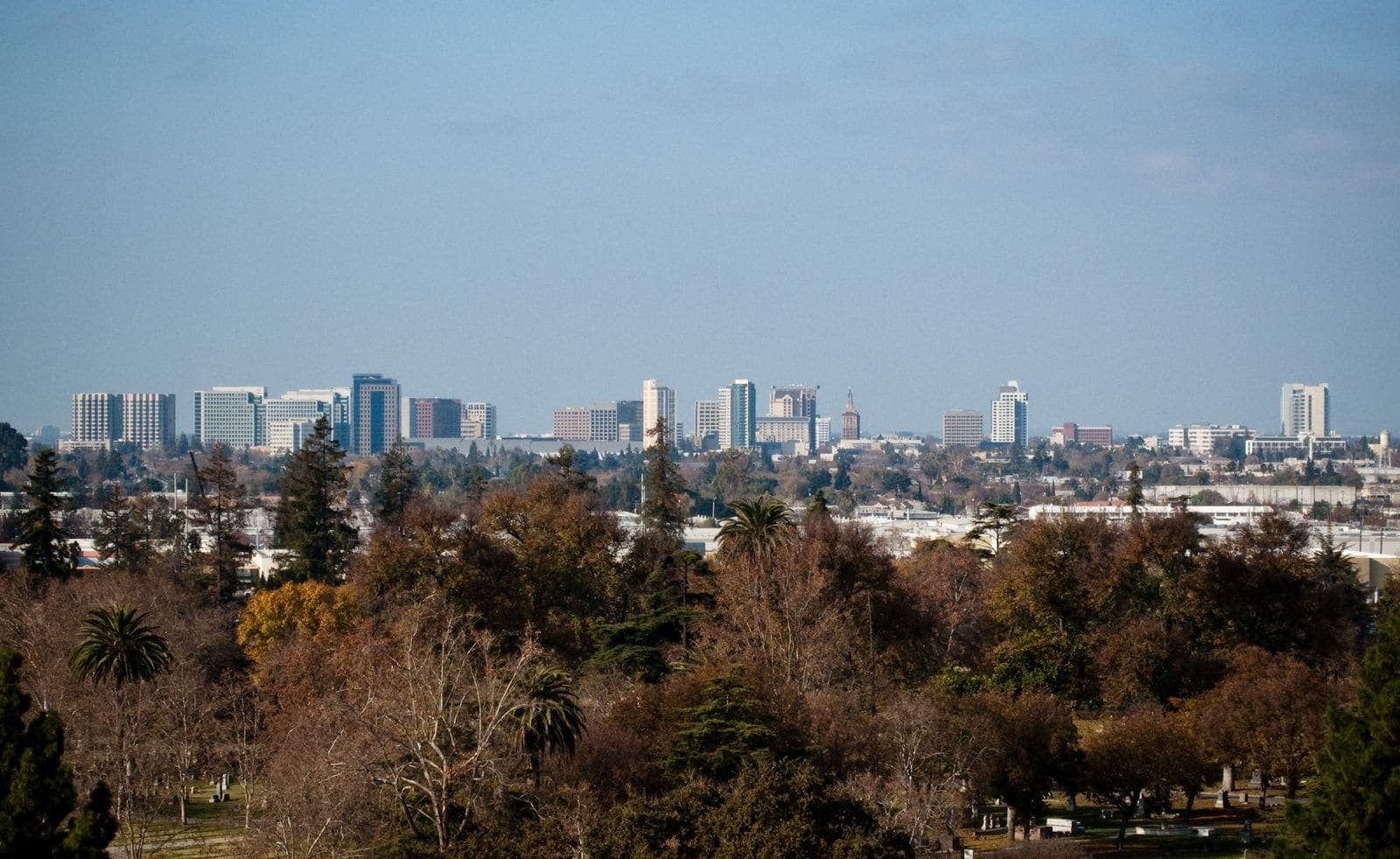
San Jose, CA
Silicon Valley relocations to Austin, Seattle and Denver keep outbound lanes steady.
City guide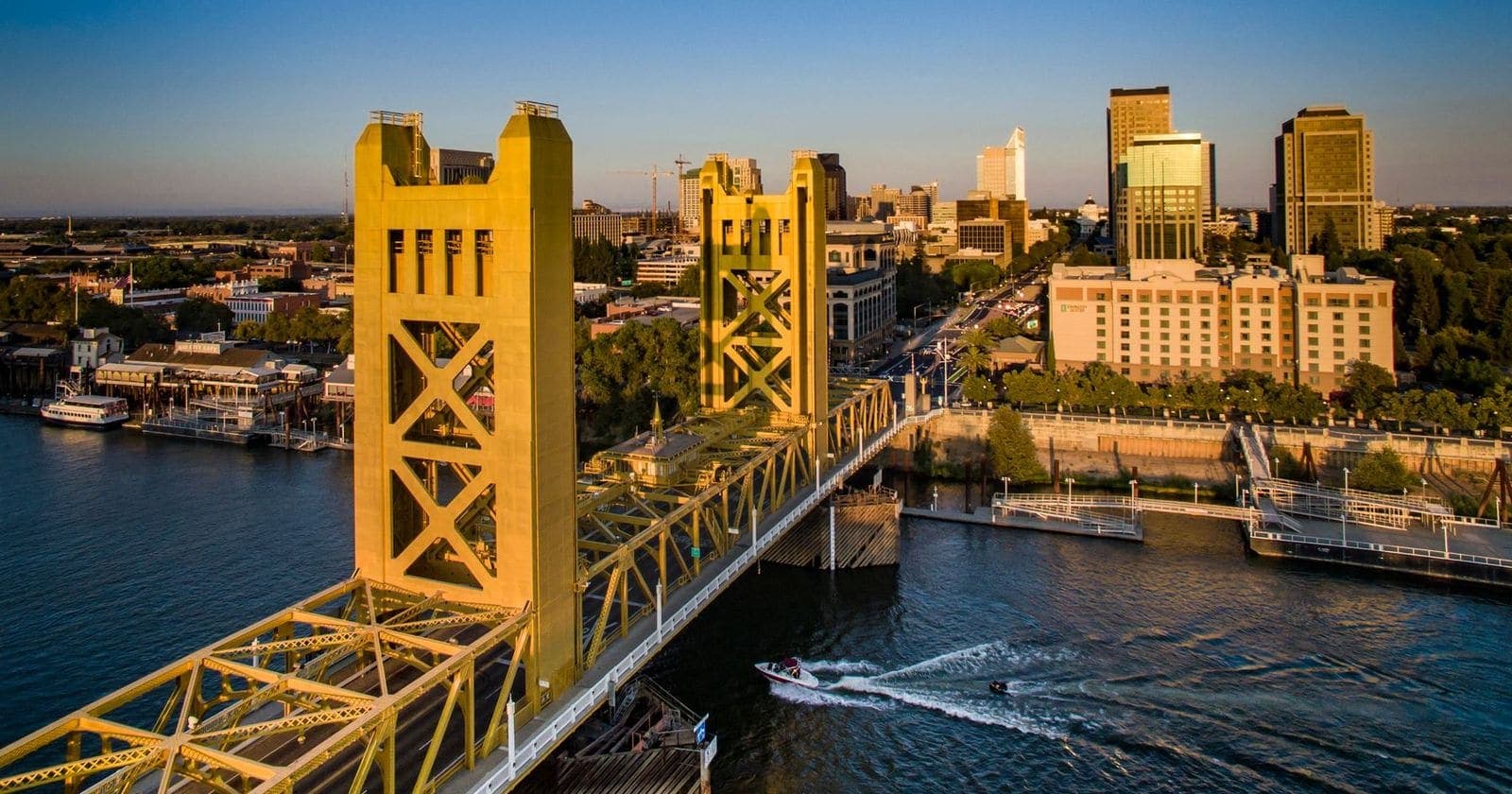
Sacramento, CA
I-80 east from here is the northern cross-country lane to Chicago and New York.
City guideCost
Running sedan, flexible pickup window. Ranges come from carrier quotes received on these lanes and are re-checked each season; inbound California shipments run $950–$1,900 on the busiest lanes.
| Lane | Open carrier | Enclosed carrier | Transit |
|---|---|---|---|
| Texas to California (1,500 mi) | $1,000 – $1,400 | $1,450 – $2,050 | 3–6 days |
| New York to California (2,790 mi) | $1,450 – $2,000 | $2,050 – $2,950 | 7–10 days |
| Florida to California (2,730 mi) | $1,400 – $1,950 | $2,000 – $2,900 | 6–9 days |
Running sedan, flexible pickup window. SUVs add about 12%, pickups 20%, inoperable vehicles about $150.
After delivery
The paperwork California asks of a new resident, so you can book the DMV visit for the week the car lands rather than discover it at the counter.
Register within 20 days of establishing residency (Vehicle Code §6700); late penalties start after that.
A VIN verification is required for every vehicle coming from out of state, done at a DMV office or by a licensed verifier.
A California smog check is required for most vehicles registered from out of state; out-of-state smog certificates are not accepted and the new-vehicle exemption does not apply to nonresident vehicles.
A vehicle that does not meet California emissions standards may not be registrable; check the under-hood emissions label before shipping.
Source: California DMV . Checked September 15, 2026. Deadlines and inspection rules change; confirm on the official page before you go.
Urban pickups are the first thing to plan. San Francisco's hills, narrow streets and no-truck zones make a residential pickup with a 75-foot hauler almost impossible; drivers meet customers at a lot near a freeway or across the bay. Downtown and much of central Los Angeles have similar rules, though the wide boulevards of the Valley, the South Bay and Orange County are easy. San Diego and Sacramento are straightforward outside their cores. The specialist asks about access at booking, and the driver confirms a spot the day before.
Winter matters on the routes east. I-80 over Donner Pass and I-70 through the Rockies close in storms from December through March, and carriers shift to I-10 and I-40 when they do. A shipment from the Bay Area to the Northeast in January may take an extra day for that reason. Summer wildfire season occasionally closes I-5 or the I-80 corridor for a few hours; carriers wait it out.
Electric vehicles are a large share of California shipments. Ship at 30–50% charge, remove any charging adapters from the trunk if you want them insured, and note that a heavy EV crossover is priced as an SUV. Most carriers on the California lanes load EVs daily; telling us the model means one with the right experience is assigned.
The Port of Los Angeles, Port of Long Beach, Port of Oakland and Port of San Diego handle vehicle imports and exports, and carriers deliver to freight forwarders and port yards during business hours. For a domestic shipment, paperwork is keys and a photo ID at pickup and the receiver's name and phone number. California requires no state form to ship a vehicle in or out; a car arriving to be registered here needs a smog check afterward, which is separate from the shipment.
Services
Chosen from what ships on these lanes, not a generic list.
Coast to coast in 7–10 days on I-40, I-70 or I-80. Priced per mile far below short hauls.
Learn moreHard-sided trailers for classic, exotic, luxury and low-clearance cars. Weather and road-debris protection.
Learn moreThe standard for 9 in 10 shipments. Two-level open trailers, lowest cost, fastest pickup.
Learn moreQuestions
Not covered here? A specialist can answer route-specific questions in a couple of minutes.
888-706-8784$950–$1,950 for a running sedan on an open carrier depending on destination: about $1,000–$1,400 to Texas, $1,400–$1,950 to Florida and $1,450–$2,000 to New York. Short hops to Arizona and Nevada are $350–$600. Enclosed adds 40–60%.
One to two days on the truck to Arizona or Nevada, three to six to Texas, six to nine to Florida and seven to ten to the Northeast. Carrier assignment and pickup add one to five days at the front.
Los Angeles, slightly. It has the most carrier traffic in the West and sits on I-10, I-15 and I-40, the three main eastbound corridors. The Bay Area ships on I-80 and adds a day and $50–$150 on most eastbound lanes.
Rarely on the street. San Francisco's hills and narrow streets and downtown Los Angeles's truck rules mean drivers arrange a meeting point: a big-box lot, a park-and-ride or a wide street near a freeway. The suburbs are straightforward.
I-10 through Phoenix to Texas and Florida, I-40 from Barstow across Arizona and New Mexico to the Southeast and Northeast, and I-80 from the Bay Area across Nevada and the plains to Chicago and the Northeast. Winter shipments favour I-10 and I-40.
No premium for the vehicle type, though a large EV is priced as an SUV. Ship it at 30–50% charge, and tell the specialist so a carrier with EV loading experience is assigned.
Those are ocean shipments from Los Angeles, Long Beach or Oakland to Honolulu and from Seattle or Tacoma to Alaska, with a truck leg to the port. They are quoted individually with the sailing schedule.
Carriers run I-5 and I-10 daily. Tell us the route and vehicle and a specialist will confirm the price and the earliest pickup.
Average response time under 5 minutes during business hours (Mon–Sun 7am–9pm ET).
Last updated September 12, 2026 · Written by the AutoShippingUS Editorial Team · Reviewed by Christofer Whiteman, Editor · Industry review by Sarah Williams, Independent auto transport consultant, 20 years in the industry