
California to New York
- Distance
- 2,790 mi
- Transit
- 7–10 days
- Open from
- $1,450

Service
From $1,400 · $1,250–$1,750 for 500–1,500 miles · Pickup in 1–5 days
Compare quotes from licensed, bonded carriers.
No obligation · Takes 60 seconds · We never sell your data
Cross-country shipping is any move of roughly 1,500 miles or more, and in practice it means the coast-to-coast lanes: California to New York, California to Florida, the Pacific Northwest to the Southeast, and the reverse of each. These are the longest trips a car hauler makes, and they are also the most efficient. A truck that is going to be on the road for a week can spread its fixed costs over 2,700 miles, which is why the per-mile rate on a coast-to-coast run is about a third of what a short regional hop costs.
Who ships this way: families relocating for work, retirees moving to be near children, remote workers changing coasts, people who bought a car on the other side of the country, students heading to a distant university, and anyone who has done the four-day drive once and would rather fly. For most of them the arithmetic is simple. The out-of-pocket cost of driving, once hotels, fuel and meals are added up, lands close to the shipping price, and shipping saves the days.
This page covers the real transit times, the three corridors carriers use and when weather changes them, what a coast-to-coast trip costs by vehicle type, how tracking works over a week on the road, and the differences between a standard booking and an expedited one.
Benefits
Coast to coast runs 55–70 cents a mile for a sedan on an open carrier, against $1.50 or more on a short regional trip. Distance is on your side.
Most cross-country loads stay with one driver from your driveway to the destination. Fewer handoffs, one inspection chain, one person who knows the car.
We quote days on the truck, not a guess. Seven to ten days for 2,700 miles is what carriers deliver, and the timeline on this page shows where each day goes.
Carriers shift between I-10, I-40 and I-80 with the season so the car is not sitting behind a closed mountain pass in January.
You have the driver's number and hear from the carrier at pickup, mid-route and the day before delivery. A specialist can check on the truck at any time.
Shipping a pair of vehicles on the same truck between the same two addresses is the most economical way to move a household's cars.
Pricing
Running sedan, flexible pickup window. Ranges come from carrier quotes received on these lanes and are re-checked each season.
| Lane | Open carrier | Enclosed carrier | Transit |
|---|---|---|---|
| Los Angeles to New York (2,790 mi) | $1,450 – $2,000 | $2,100 – $2,950 | 7–10 days |
| Los Angeles to Miami (2,730 mi) | $1,400 – $1,950 | $2,000 – $2,900 | 6–9 days |
| San Francisco to Boston (3,100 mi) | $1,550 – $2,100 | $2,250 – $3,100 | 7–10 days |
| Seattle to Miami (3,300 mi) | $1,600 – $2,200 | $2,350 – $3,250 | 8–11 days |
| Chicago to Los Angeles (2,020 mi) | $1,300 – $1,800 | $1,900 – $2,600 | 5–8 days |
| Dallas to New York (1,550 mi) | $1,050 – $1,500 | $1,550 – $2,150 | 4–6 days |
Running sedan, flexible pickup window. SUVs add about 12%, pickups 20%, inoperable vehicles about $150.
The price of shipping a car across the country is easier to predict than most people expect, because the long lanes are the most competitive in the business. A sedan travelling from Los Angeles to New York, about 2,790 road miles, costs $1,450–$2,000 on an open carrier. The same car from Los Angeles to Miami, a slightly shorter run down I-10, is $1,400–$1,950. Enclosed transport on either lane is $2,000–$2,950. Those are the totals; there is no fuel surcharge or booking fee on top.
Per mile that works out to roughly 55–70 cents, the lowest rate on any kind of shipment, because a carrier's fixed costs for loading, dispatching and inspecting a car are spread over ten days of driving instead of one. The table above lists the busiest coast-to-coast lanes with their distances, open and enclosed ranges and the number of days the car spends on the truck.
The variables that move the price on a long lane are the same as anywhere but with different weights. Vehicle size matters more, because a large SUV or pickup takes a position that could have held a sedan for 2,800 miles. Season matters about the same as elsewhere: summer relocations push demand up 5–10%. Flexibility matters less, since the truck's route is fixed and your pickup is one stop on a long list, but a window of two or three days still helps the carrier plan the load.
Trucks follow the interstate network. Los Angeles to New York is 2,790 road miles even though the straight-line distance is about 2,450. Quotes and the calculator use road miles.
I-10 across the south runs year-round; I-80 and I-70 through the Rockies slow or close in winter storms. Winter shipments shift south, which can add a day of transit.
A full-size SUV or pickup adds 12–20% to a coast-to-coast price, because it displaces a smaller car on a truck that is full for the entire trip.
Enclosed carriers running the long lanes are scarcer than on regional routes, so the enclosed premium tends toward the top of the 40–60% band.
June through August is the relocation season. Coast-to-coast lanes fill first because families move between school years, and prices run 5–10% higher.
The cheapest way to move a household's cars. Same pickup, same delivery, same truck, and each car prices 10–15% lower than it would alone.
Book early. Long-haul carriers plan loads a week or more ahead, and a car booked two to three weeks before the first available date gets placed on a truck that is already routing past both addresses. Give a pickup window of two to three days rather than a single date; on a coast-to-coast run that costs you nothing in practice, because the truck's arrival day is an estimate either way.
Ship in the shoulder months if the calendar allows. September, October, February and March are quieter on the long lanes than June through August, and the difference is usually the 5–10% seasonal factor. Choose open transport unless the car genuinely needs the protection; on a ten-day trip the price gap is several hundred dollars.
If you are moving two vehicles, ship them together. And compare the total with the true cost of driving before deciding: fuel for 2,800 miles, three or four nights of hotels, meals, a one-way flight home for whoever drove, and four days of your time. For most households the shipping price is the smaller number.
How it works
Three steps, one signature at each end, and a specialist on the phone throughout.

Enter the two addresses and the vehicle. The estimate uses road miles for your lane, so a Los Angeles to New York request prices at about 2,800 miles, not the straight-line distance. Submit, and carriers running that corridor see it; a specialist confirms firm prices and the first available pickup dates.
No deposit and no obligation until you choose a carrier.
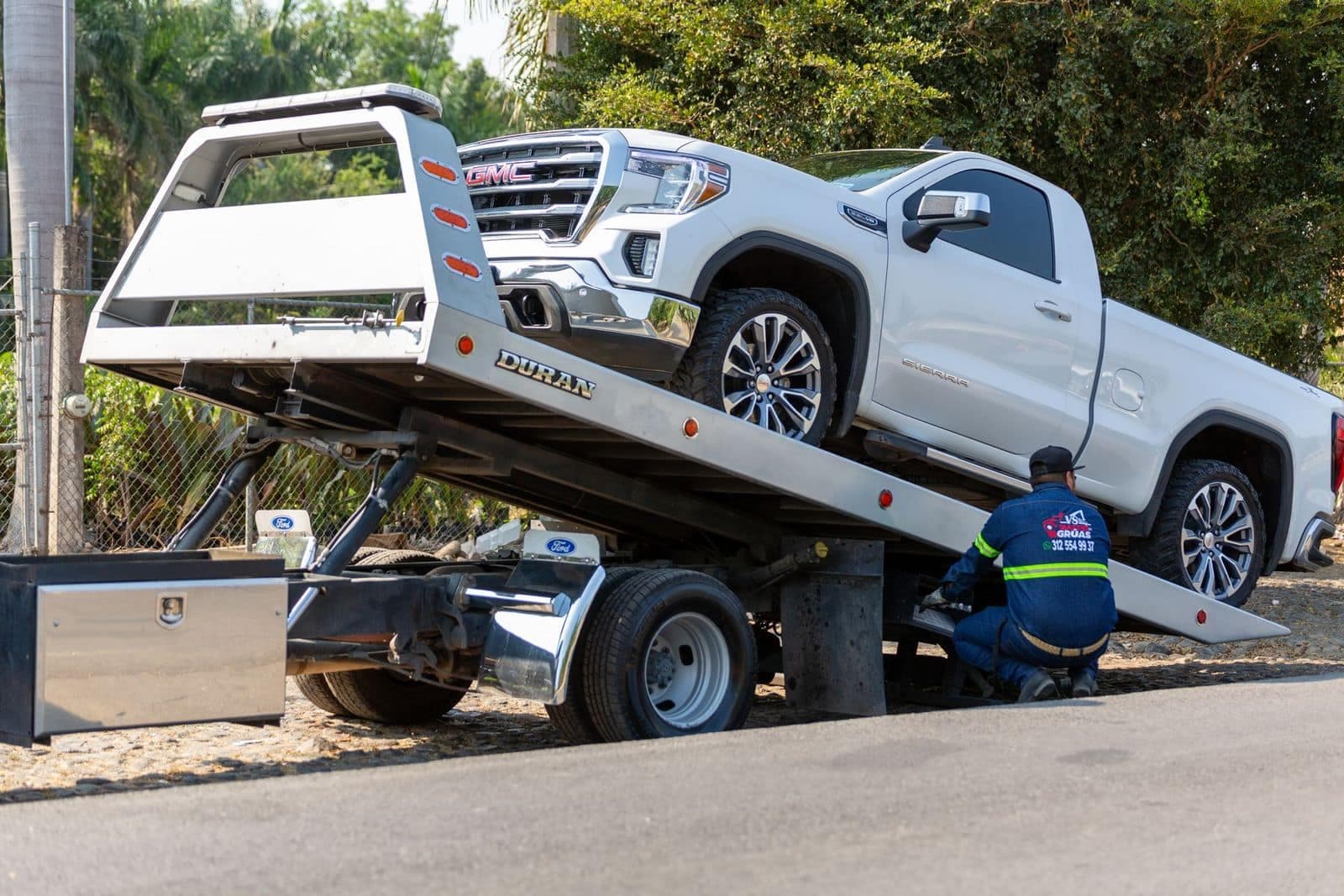
Choose the carrier and window. Because the truck is building a full load across a region, pickup windows on coast-to-coast lanes are often two to three days wide. The driver calls the day before, inspects the car with you at the truck and records its condition on the bill of lading.
The pickup inspection report protects you if anything is disputed later.
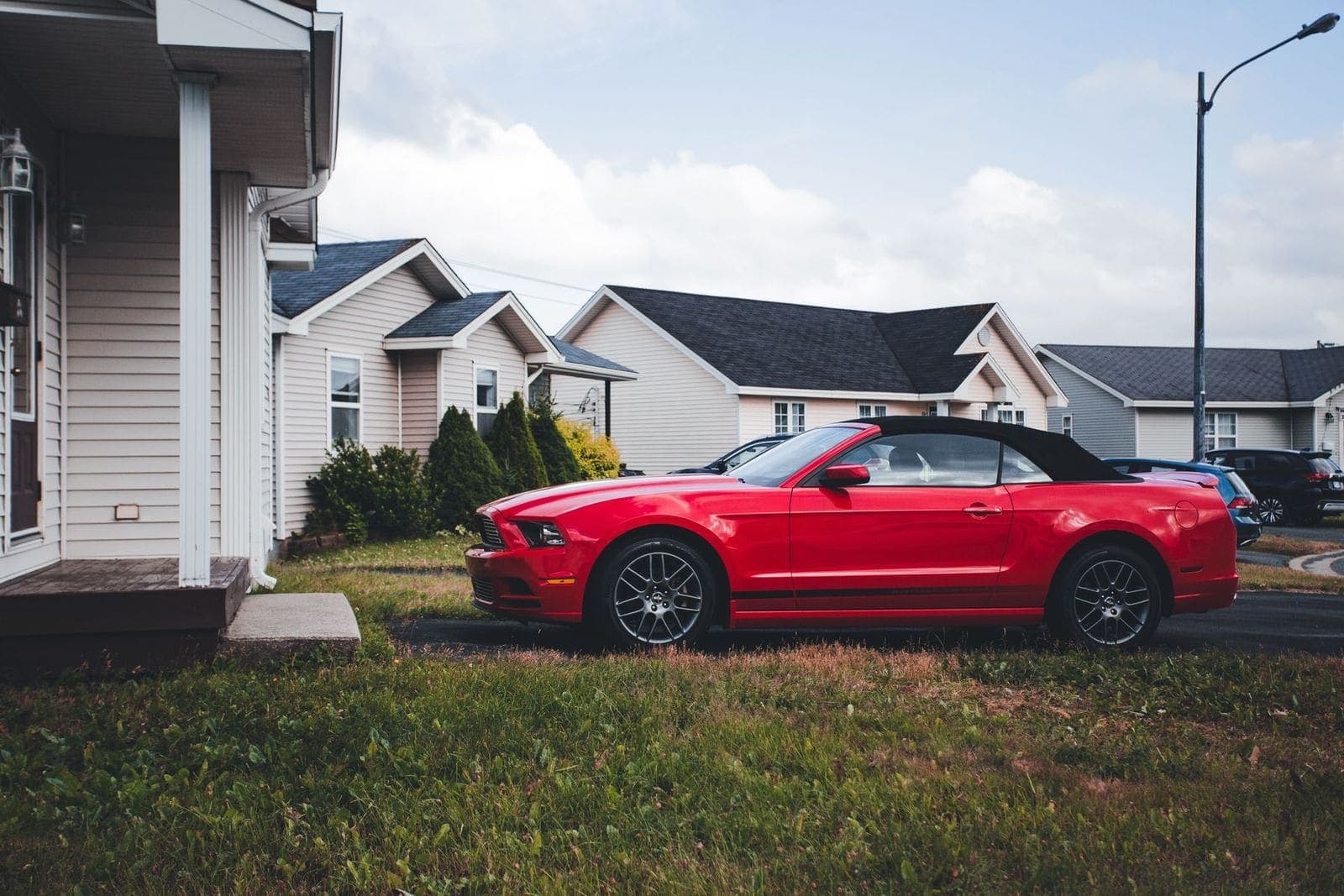
The truck covers 400–500 miles a day with stops for other customers. Expect a call or text at pickup, somewhere in the middle of the country, and the day before delivery. At the destination the receiver inspects the car against the pickup report, signs and pays the carrier the balance.
Pay the carrier only when the car is in front of you and checked.
Compare
You give a first available date and a window of a few days; the carrier building the next coast-to-coast load fits you in, usually within one to five days. It is the price on the table above and the option nine in ten customers take.
You need the car collected within 24–48 hours, or delivered by a fixed date at the far end. The carrier reroutes or holds a slot, and the price rises by roughly $200–$400 on a coast-to-coast lane. Worth it when a lease return, a job start or a flight makes the date immovable; not worth it if a few days of flexibility are available.
Vehicle types
Every class below ships on open and enclosed carriers. The note shows how each affects the price against a standard sedan.
Sedans and coupes
Baseline price
SUVs and crossovers
About 12% more
Pickup trucks
About 20% more
Vans and minivans
About 25% more
Motorcycles
Crated or strapped, from 20% less
Classic and exotic
Enclosed recommended
Electric vehicles
Ship at 30–50% charge
Inoperable
Winch loading, about $150 more
A cross-country shipment spends seven to ten days and several thousand miles on the truck, so the paperwork matters more than on a short hop. The carrier's cargo policy covers the car for the whole trip; you receive the certificate of insurance before pickup and should read the limit and deductible. A specialist assigns higher-limit carriers to higher-value vehicles as a matter of course.
The pickup inspection is your baseline for a car that is about to cross three time zones. Photograph every panel, the wheels, the glass, the interior and the odometer in daylight. Make sure the bill of lading matches what you see. Remove toll transponders and anything loose; loaded trucks pass dozens of toll gantries and weigh stations on a coast-to-coast run.
At delivery, inspect in daylight where possible. Road dust after 2,800 miles is normal on an open carrier; a new chip or scrape is not, and it must go on the delivery report before you sign. Call us while the driver is present if anything looks wrong. We handle the claim with the carrier from there, and your own comprehensive policy is a second layer if it is ever needed.
Routes
Lanes where this service is booked most, with current ranges.
Questions
Not covered here? A specialist can answer route-specific questions in a couple of minutes.
888-706-8784$1,400–$2,000 for a running sedan on an open carrier, $2,000–$2,950 enclosed, on the main coast-to-coast corridors such as Los Angeles to New York or California to Florida. Per mile that is the cheapest shipping there is, around 55–70 cents, because long hauls spread the truck's fixed costs over more distance.
Seven to ten days on the truck for a 2,700–2,800 mile run, plus one to five days for a carrier to be assigned and reach you. Drivers cover 400–500 miles a day and stop to load and unload other customers' cars along the route.
Once you count fuel, three or four nights of hotels, meals, wear on the car and the days of your time, driving a sedan coast to coast usually costs $1,200–$1,800 out of pocket. Shipping is often the same or less, and you fly in a few hours instead of driving for four days.
Three main corridors: I-10 across the south from California to Florida, I-40 from Los Angeles through Oklahoma and Tennessee to the East Coast, and I-80 from the Bay Area across the plains to the Northeast. Winter shipments favour I-10 and I-40 to avoid mountain snow on I-80 and I-70.
You have the driver's phone number and receive updates as the truck moves. Some carriers run GPS tracking you can view; most give a call or text at each stage. A specialist can check on the truck for you at any point.
Usually, yes. Most cross-country loads stay on one truck with one driver from pickup to delivery. Occasionally a carrier transfers a car between its own trucks at a hub; if that is the plan you are told before booking.
Yes, and it is one of the best-value moves on the lane. Two cars on the same truck from the same pickup to the same delivery typically save 10–15% per car against booking them separately.
The carrier's fixed costs for loading, dispatch and paperwork are the same on every load. Over 2,800 miles they are a small fraction of the price, so the rate falls to about 55–70 cents a mile, compared with $1.50 or more on a 200-mile hop.
Seven to ten days on the truck for the longest lanes, five to eight for 2,000-mile runs such as Chicago to Los Angeles. Add one to five days for a carrier to be assigned and reach your pickup address.
Rarely, once you count fuel, three or four hotel nights, meals, wear on the car and your time. Driving a sedan coast to coast typically costs $1,200–$1,800 out of pocket. Shipping is often the same or less, and you fly instead of spending four days on the interstate.
Guides
7 min read
Most shipments deliver 1–3 days after pickup for under 500 miles, 3–5 days for 1,000–1,500 miles and 7–10 days coast to coast. Add 1–5 days for the carrier to be assigned and reach you.
Read the guide
8 min read
Confirm the seller or dealer will release the car to a carrier, get the pickup contact and hours, ship on an open carrier for most purchases, and inspect on delivery before the driver leaves. Expect $550–$2,000 depending on distance.
Read the guide7 min read
Wash the car, photograph every panel, leave a quarter tank of fuel, remove personal items and toll tags, fold in mirrors, note existing damage on the Bill of Lading, and hand over one set of keys.
Read the guideEnter your route and vehicle in about a minute. A specialist confirms the carrier, the price and the pickup window within business hours.
Average response time under 5 minutes during business hours (Mon–Sun 7am–9pm ET).
Last updated September 12, 2026 · Written by the AutoShippingUS Editorial Team · Reviewed by Christofer Whiteman, Editor · Industry review by Sarah Williams, Independent auto transport consultant, 20 years in the industry