
New York to Florida
- Distance
- 1,200 mi
- Transit
- 3–5 days
- Open from
- $900
Service
From $550 · $850–$1,350 for 500–1,500 miles · Pickup in 1–5 days
Compare quotes from licensed, bonded carriers.
No obligation · Takes 60 seconds · We never sell your data
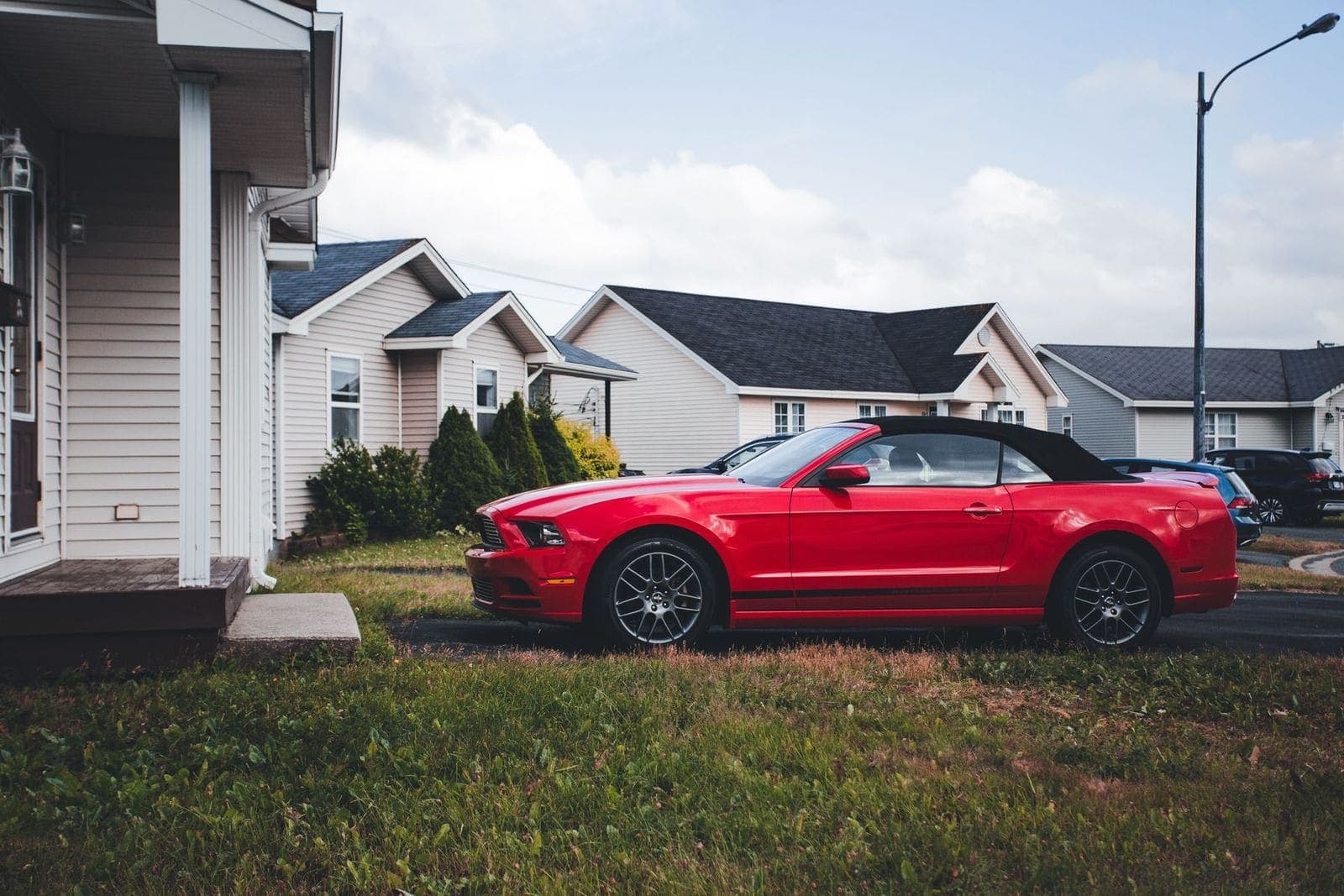
Door-to-door is the way nearly every private car shipment works today: the carrier picks the vehicle up at or near your address and delivers it at or near the destination address, with no terminal drop-off or collection in between. You hand over the keys once, and you get them back once.
The phrase "at or near" is doing real work. A loaded car hauler is around 75 feet long, 13 feet tall and cannot make tight turns, reverse into narrow streets or stop under low tree canopies and wires. So the driver comes as close as the truck safely can. For most suburban homes that is the driveway or the curb outside. For a townhouse row, a high-rise, a gated community with a truck ban or a rural road with a low bridge, it is a meeting point a few minutes away, agreed by phone the day before.
This page is for anyone shipping between two private addresses: homeowners relocating, snowbirds, parents sending a car to a student, buyers collecting a car from a private seller, and families moving a second vehicle. It explains what to expect at each door, how the meeting-point call works, what the alternative (terminal-to-terminal) still offers, and why door-to-door has become the cheaper option as well as the easier one.
Benefits
You do not drive the car to a yard, arrange a ride home, or collect it from a lot that closes at five. The truck comes to you at both ends.
The condition report is completed with you present at pickup and again at delivery, which keeps the chain of custody simple if a claim is ever needed.
Anyone you authorize can receive the car: a relative, a neighbour, a building manager during business hours, or the dealership you bought it from.
If your street cannot take the truck, the driver proposes a safe spot nearby and confirms it with you the day before. It is part of the service, not an extra.
No storage fees, no handling charges and no extra days in a yard. On most lanes door-to-door now costs less overall than terminal shipping.
Cars that never sit in a yard reach you sooner. Pickup is usually within one to five days of booking, and delivery follows the transit window with no waiting for a terminal release.
Pricing
Typical ranges for a running sedan. Enclosed adds 40–60%; SUVs and pickups 12–20%; peak months 5–10%.
| Distance | Open carrier | Enclosed carrier | Transit |
|---|---|---|---|
| Short (under 500 miles) | $500 – $750 | $725 – $1,100 | 1–3 days |
| Medium (500–1,500 miles) | $850 – $1,350 | $1,225 – $1,950 | 2–5 days |
| Cross-country (1,500+ miles) | $1,400 – $2,000 | $2,025 – $2,900 | 5–10 days |
Running sedan, flexible pickup window. SUVs add about 12%, pickups 20%, inoperable vehicles about $150.
How it works
Three steps, one signature at each end, and a specialist on the phone throughout.
Enter both addresses, or the nearest cities or ZIP codes, and the vehicle. The estimate assumes door-to-door. Submit, and carriers running your lane see the request; a specialist calls with firm prices and asks about access at both ends so the right size truck is assigned.
No deposit and no obligation until you choose a carrier.
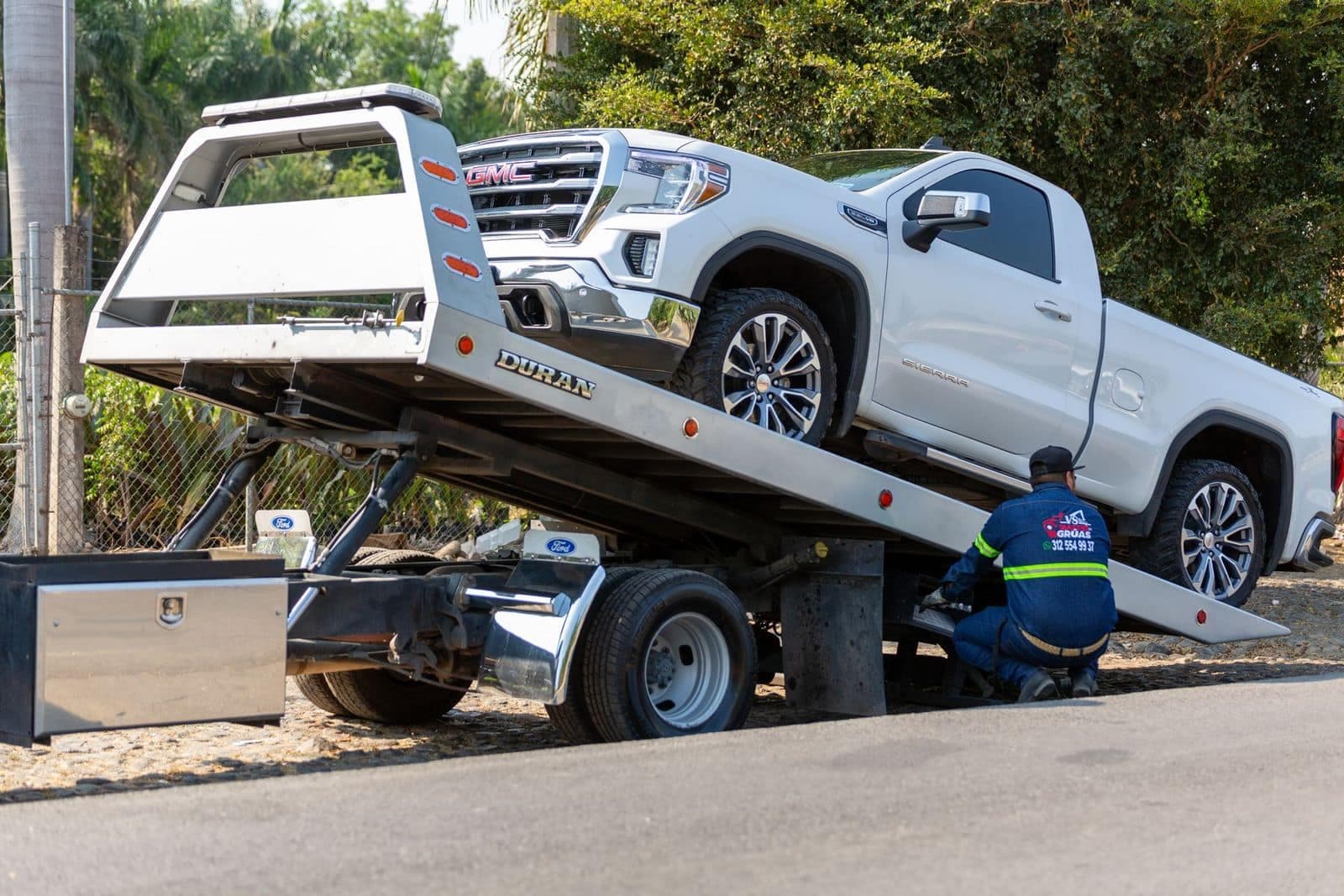
Pick the carrier and the window. The day before pickup the driver calls with a time and, if needed, a meeting point. At the truck the driver inspects the car with you, records existing marks on the bill of lading, and loads. You keep the signed copy.
The pickup inspection report protects you if anything is disputed later.
The driver calls ahead as the truck nears the destination and agrees the delivery spot with whoever is receiving. The car comes off, gets inspected against the pickup report, the report is signed, and the receiver pays the carrier the balance. Total time is the transit window plus a day or two either side.
Pay the carrier only when the car is in front of you and checked.
Compare
The carrier comes to both addresses or as close as the truck can safely get. One handover at each end, one inspection each, and the car never sits in a yard. It suits every private customer and most businesses, and on the majority of lanes it is now the cheaper option because there are no terminal fees.
You drop the car at a carrier yard, usually near a port or a major interstate junction, and collect it from another yard at the destination. Yards charge handling and daily storage, hours are limited, and terminals exist only in larger metros. It still makes sense for military shipments to certain ports, for customers who cannot be present for days at either end, and for some dealer-to-dealer moves.
Vehicle types
Every class below ships on open and enclosed carriers. The note shows how each affects the price against a standard sedan.
Sedans and coupes
Baseline price
SUVs and crossovers
About 12% more
Pickup trucks
About 20% more
Vans and minivans
About 25% more
Motorcycles
Crated or strapped, from 20% less
Classic and exotic
Enclosed recommended
Electric vehicles
Ship at 30–50% charge
Inoperable
Winch loading, about $150 more
Door-to-door shipping keeps the insurance picture simple because the car is in one carrier's custody from your driveway to the destination. The carrier's cargo policy covers it throughout, and you receive the certificate of insurance before pickup so you know the limit and the deductible.
Because the inspection happens at your address, take advantage of it. Wash the car the day before so marks are visible, photograph every panel in daylight, and walk the car with the driver while the bill of lading is filled in. At delivery, do the same before signing, even if it is dark or raining: use a flashlight, take the time, and note anything new on the report while the driver is present. Most disputes come from cars signed for at night and inspected the next morning.
If the receiving person is not you, brief them. Send them the pickup photos and the signed report, tell them to compare before signing, and give them our number. We stay on any claim with the carrier until it is settled, and we can walk whoever is receiving the car through the inspection by phone.
Routes
Lanes where this service is booked most, with current ranges.
Questions
Not covered here? A specialist can answer route-specific questions in a couple of minutes.
888-706-8784It means the carrier gets as close to your address as a 75-foot truck can legally and safely stop. On a wide suburban street that is your driveway or the curb. In a dense city, a cul-de-sac or a gated community it is usually a nearby lot or the community entrance, and the driver arranges the spot with you the day before.
Not any more, on most lanes. Terminals add handling and storage fees at both ends, and the yards that still exist are mostly in port cities. For almost every private customer, door-to-door is both cheaper overall and faster.
Someone you trust does. Any adult can hand over the keys, sign the bill of lading and inspect the car at delivery. Tell us who it will be so the driver knows whom to call.
You agree a window of a day or two when the carrier is assigned, and the driver calls the day before with a time. Traffic, weather and other customers' loading can move it by a few hours, which is why we ask for a phone number the driver can reach.
The driver will suggest a nearby meeting point: a supermarket or big-box lot, a school parking lot outside school hours, a wide road at the end of your street. You drive the car there, or the driver walks over if it is a short distance. This is normal and does not change the price.
Yes, to any commercial address that accepts vehicles during its opening hours. Give us the business name and hours when you book so the delivery window can be set inside them.
Yes. Buyers, sellers, family members and relocation companies do it every day. Both parties need to be named on the order with a phone number, and the person receiving must be able to sign and inspect.
Guides
9 min read
Get quotes, pick a carrier, hand over the keys with an inspection report, and receive the car on delivery. The whole process takes 60 seconds to start and 1–10 days to finish, depending on distance.
Read the guide
8 min read
Confirm the seller or dealer will release the car to a carrier, get the pickup contact and hours, ship on an open carrier for most purchases, and inspect on delivery before the driver leaves. Expect $550–$2,000 depending on distance.
Read the guide7 min read
Wash the car, photograph every panel, leave a quarter tank of fuel, remove personal items and toll tags, fold in mirrors, note existing damage on the Bill of Lading, and hand over one set of keys.
Read the guideEnter your route and vehicle in about a minute. A specialist confirms the carrier, the price and the pickup window within business hours.
Average response time under 5 minutes during business hours (Mon–Sun 7am–9pm ET).
Last updated September 12, 2026 · Written by the AutoShippingUS Editorial Team · Reviewed by Christofer Whiteman, Editor · Industry review by Sarah Williams, Independent auto transport consultant, 20 years in the industry