What is different about shipping a car you have not seen?
Three things. Someone else hands the car over, so the release has to be arranged. You are not at the pickup inspection, so your baseline for the car's condition has to come from the seller. And on an auction lot there is a clock: most lots allow a few free days before storage fees start, so the shipment has to be booked as soon as the deal is done, not after the paperwork settles.
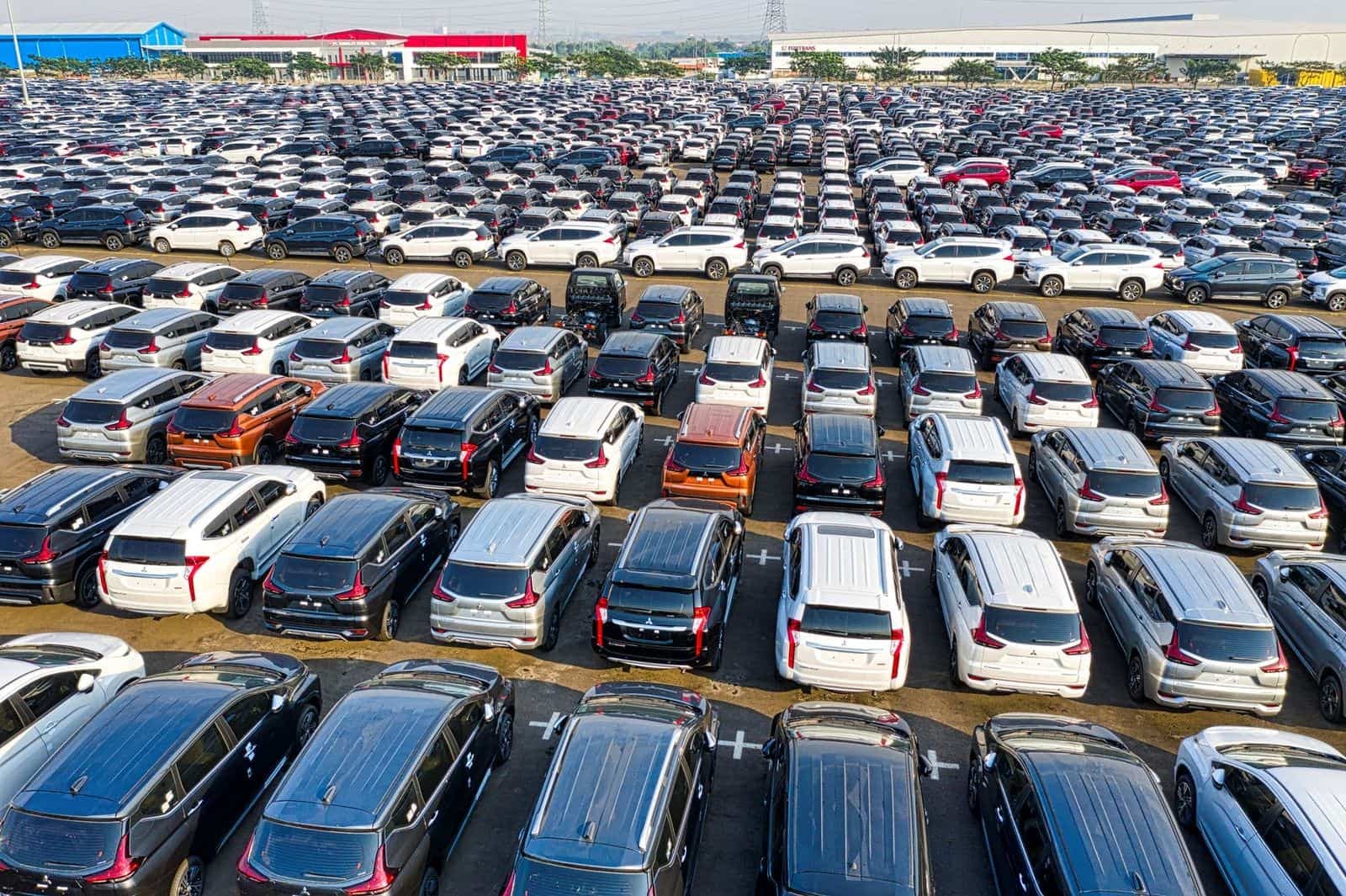
None of this is unusual. Cars bought on eBay Motors, Bring a Trailer, Facebook Marketplace, from an out-of-state dealer, from an online retailer or at a Copart, IAA or Manheim auction are a large share of what carriers move every week, and the process is well worn. This guide walks through it in the order it happens.
What do I need before I book?
The pickup address, which for an auction is the lot's physical address rather than its billing address. The vehicle's year, make and model, and whether it runs; if the listing says "starts and drives" believe it cautiously and if it says "does not start" or "salvage" say so, because a winch truck is a different booking. The delivery address and who will receive it. The first date the car will be released, which for an auction is the day payment clears and for a private sale is whenever the seller says.
Then the release contact: the seller's name and mobile number, the dealership's sales or delivery desk, or the auction's release process. Auctions vary; some need a gate pass emailed in advance, some need the buyer number and the driver's ID at the gate, some have set pickup hours. Ask, and pass it to your specialist so the driver arrives with what the lot needs.
Ready to get a number for your car?
Sixty seconds in the form and a specialist calls with a firm quote from a licensed carrier within business hours.
How does the handover work when I am not there?
At a private sale, the seller meets the driver, walks the car with them while the pickup report is filled in, hands over the key, and signs. The driver calls you afterwards or the report is emailed. At a dealership, the delivery desk does the same and often has a checklist of its own. At an auction, the lot attendant releases the car and the driver inspects it on the lot; there is less of a walk-around and more of a lift-and-load, which is why your own baseline matters.
Ask the seller for photographs of every panel in daylight, the wheels, the glass, the interior and the odometer, and, if they will, a short video walking around the car. Compare them to the pickup report when you receive it. If the report shows damage the photos do not, ask about it that day, not at delivery.
Give the release contact the driver's name and mobile number as soon as the carrier is assigned, and tell them the pickup window. A seller who is not expecting a truck on Thursday morning is the most common reason a pickup slips.
What are the auction rules I should know?
Storage fees begin after a grace period, typically a few business days after payment, and they add up daily. Book the shipment the day you win; a carrier assigned within one to three days almost always beats the deadline. Lots have pickup hours, usually weekday business hours, and drivers plan around them. Many lots forklift cars onto the truck rather than drive them, so a non-running car on a lot is easier to load than one in a driveway. And the lot's release paperwork is the driver's, not yours, to present; make sure it exists before the driver gets there.
How is payment handled?
You pay the seller or auction for the car separately, before release. You pay the shipment as you would any other: nothing to the broker, a portion by card when the carrier is assigned if the carrier asks, and the balance to the driver at delivery. The person receiving the car at delivery needs that balance in the agreed form, so if it is not you, make sure they have it.
What does it cost?
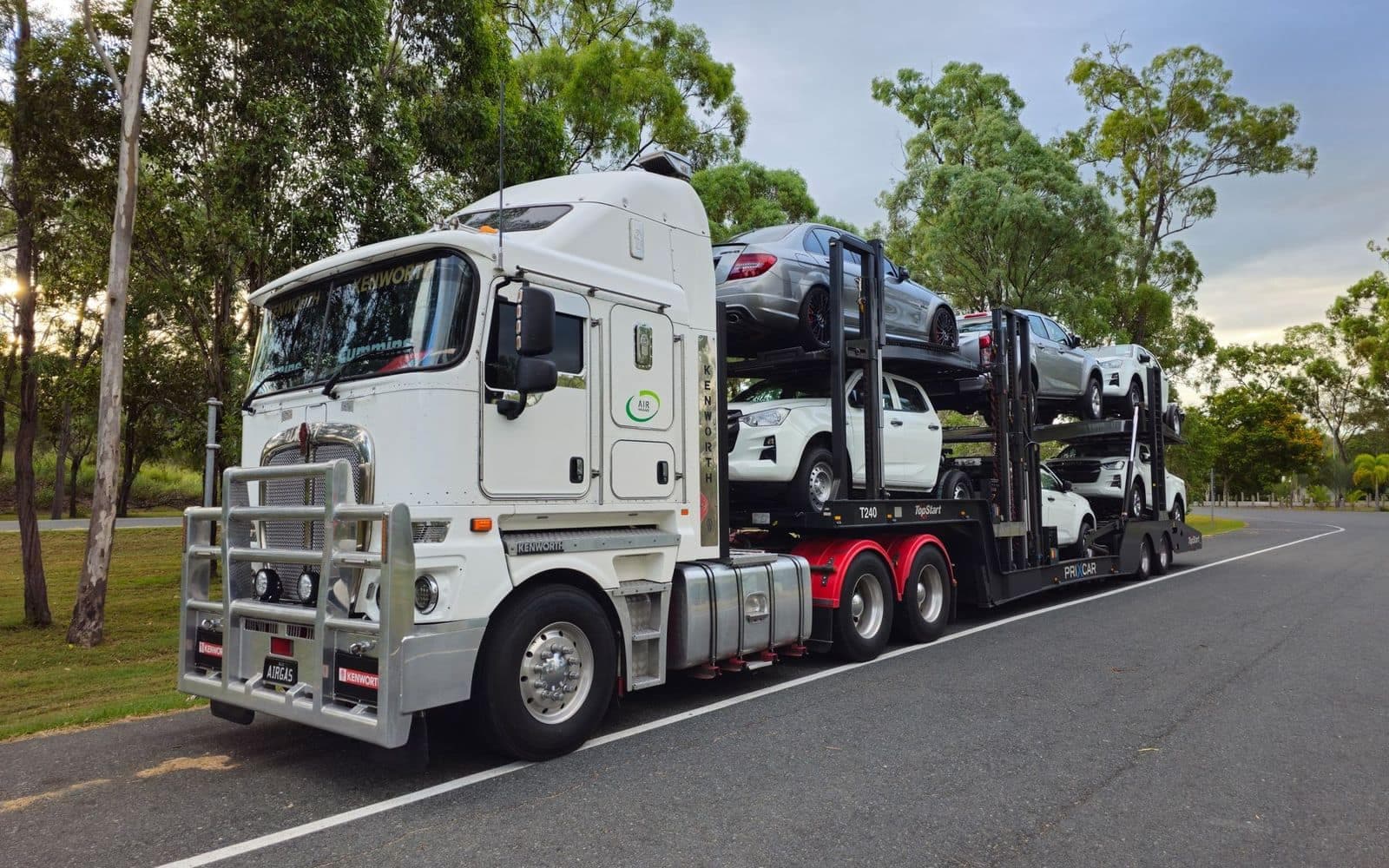
The same as any shipment on the same lane. For a running sedan on an open carrier, $500 to $750 under 500 miles, $850 to $1,350 for 500 to 1,500 miles and $1,400 to $2,000 coast to coast. SUVs and pickups add 12 to 20 percent. Enclosed transport, which is common for auction-bought classics and exotics, adds 40 to 60 percent. A non-running car adds about $150 for the winch. The published route and state pages on this site show the range for your lane, and the quote form estimates from road miles.
The one thing that changes the price on a bought-online car is the pickup location. Auction lots and dealers are usually near an interstate and easy for a truck, which helps. A private seller in a rural county is not, and a meeting point on the highway is worth suggesting.
What happens at delivery?
The driver calls ahead and meets you or your receiver. Inspect the car against the seller's photos and the pickup report before signing; on a car you have never seen, this is also the first time you will see it, so take your time. Note any transit damage on the delivery report, pay the balance, and take the keys.
Then the errands begin: title transfer, registration and insurance in your state, and for a salvage-title car the inspection your state requires. None of that involves the carrier, but it is worth having the seller's paperwork and the bill of sale in hand before the car arrives.
The short version
Book the day the deal closes. Give your specialist the release contact and the lot's process. Ask the seller for daylight photos. Say honestly whether the car runs. Pay the seller separately; pay the carrier at delivery. Inspect before you sign. A car bought a thousand miles away arrives in your driveway about a week later, and you never leave home.
AutoShippingUS Editorial Team
Logistics research and pricing desk. Pricing and timing figures are refreshed from carrier quotes each season.
Reviewed by Christofer Whiteman, Content Editor, AutoShippingUS.
Industry review by Sarah Williams, Independent auto transport consultant, 20 years in the industry.
Last updated September 12, 2026 · Written by the AutoShippingUS Editorial Team · Reviewed by Christofer Whiteman, Editor · Industry review by Sarah Williams, Independent auto transport consultant, 20 years in the industry