Skip to content
888-706-8784
AutoShippingUS — Drive tomorrow with confidence
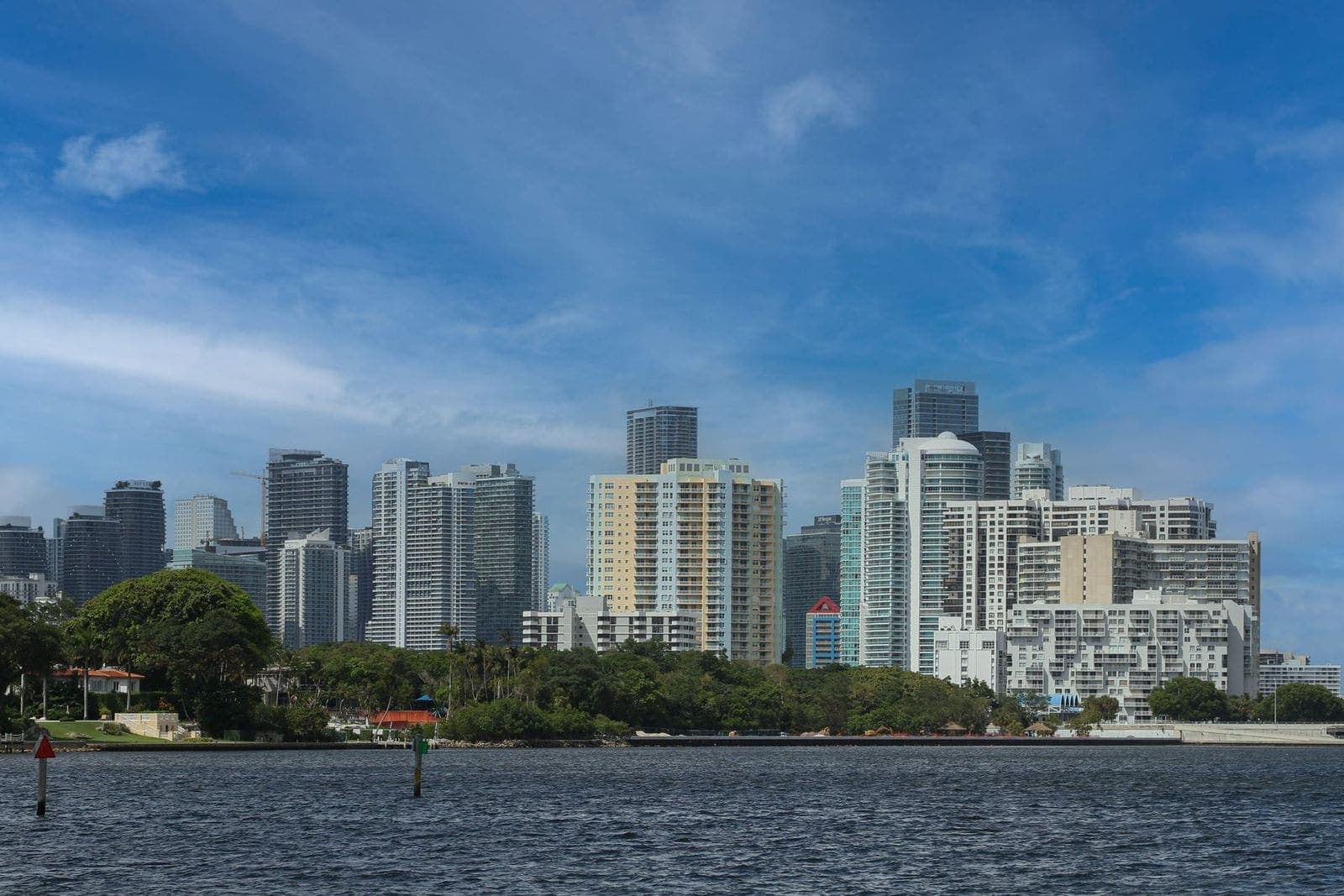
Causeway over turquoise water toward the Miami skyline

Coast-to-coast lane

Ship a Car from California to Florida

From $1,400 · 6–9 days · Door-to-door on I-10

CaliforniaPickupFloridaDelivery
888-706-8784Specialists answer 7 days a week

Quote California to Florida

Compare quotes from licensed, bonded carriers.

Free
  1. 1. Route
  2. 2. Vehicle
  3. 3. Contact

No obligation · Takes 60 seconds · We never sell your data

  • Insured carriers
  • 1–5 day pickup
  • No deposit to us
Distance
2,730 miles
I-10
Transit time
6–9 days
on the truck
Open carrier
$1,400 – $1,950
sedan, running
Enclosed carrier
$2,000 – $2,900
sedan, running
Peak season
June–August
book 2–3 weeks ahead

Price by vehicle

What it costs to ship each type of vehicle on California to Florida

Ranges come from carrier quotes received on the California to Florida lane, last checked September 12, 2026. Your firm price depends on the exact addresses and dates.

Get exact quote

No deposit until a carrier is assigned.

  • Sedan / coupe
    Open carrier$1,400 – $1,950
    Enclosed carrier$2,000 – $2,900
  • SUV / crossover
    Open carrier$1,575 – $2,175
    Enclosed carrier$2,250 – $3,250
  • Pickup truck
    Open carrier$1,675 – $2,350
    Enclosed carrier$2,400 – $3,475
  • Van / minivan
    Open carrier$1,750 – $2,450
    Enclosed carrier$2,500 – $3,625
  • Motorcycle
    Open carrier$1,125 – $1,550
    Enclosed carrier$1,600 – $2,325

What moves the price: the season (peak months run 5–10% higher), whether the vehicle runs (winch loading adds about $150), how flexible your pickup window is (a 3–5 day window beats a fixed date), and modifications such as lift kits or oversized tires.

Coast to coast on the southern road

California to Florida is the longest common lane in the country, about 2,730 miles from Los Angeles to Miami, and the one with the gentlest road. I-10 runs the whole way along the southern tier, never crossing a mountain pass that closes in winter, which makes it a reliable six-to-nine-day trip in any month. It is also priced better per mile than any shorter lane, because the fixed costs of loading and unloading are spread across a week of driving.

The customers are relocations in both directions, retirees swapping one coast's sunshine for the other's, military families between the two states' installations, university students, and buyers collecting a California car for a Florida garage. Summer is the busy season. The quote form above is set to the lane; add your vehicle and a specialist calls with a firm carrier price within business hours.

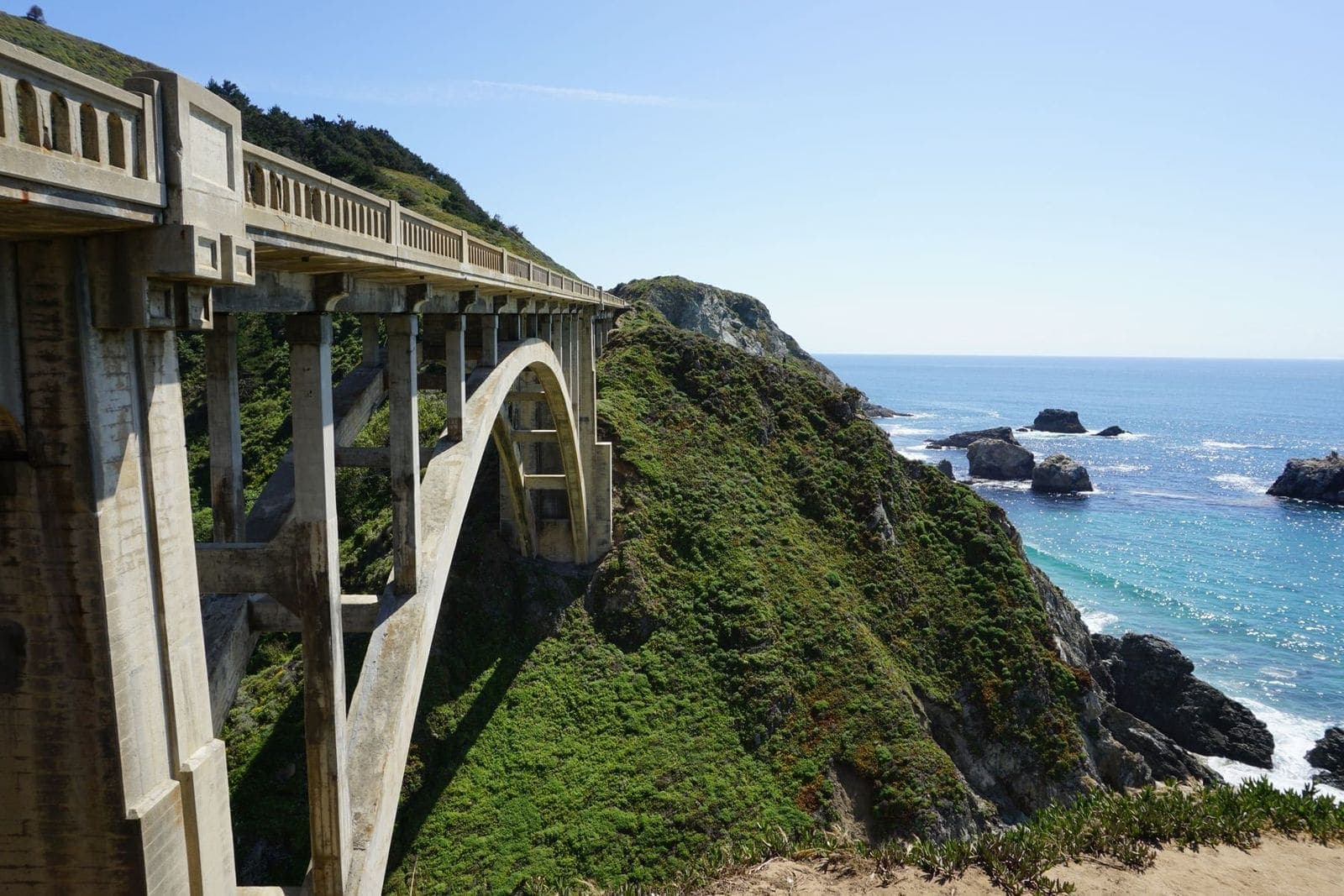
Pacific Coast Highway curving along the California coastline

Timeline

California to Florida: booking to delivery

Most shipments on this lane are complete 7–12 days after booking. Expedited pickup shortens the front end.

  1. Day 0

    Step 1: Book

    Confirm your route, vehicle and first available pickup date.

  2. 1–3 days

    Step 2: Carrier assigned

    A licensed carrier accepts the load; you get the name, DOT number and insurance certificate.

  3. Agreed window

    Step 3: Pickup

    Driver inspects the car with you and both of you sign the bill of lading.

  4. 6–9 days

    Step 4: In transit

    About 2,730 miles at 400–500 miles per driving day, with stops for other customers.

  5. Driver calls ahead

    Step 5: Delivery

    Inspect against the pickup report, sign, and pay the carrier the balance.

On the ground

How shipping from California to Florida works

Pickup zones

  • Los Angeles
  • San Diego
  • San Francisco

Delivery zones

  • Miami
  • Orlando
  • Tampa
  • Jacksonville

Carriers pick up and deliver anywhere in these regions; addresses outside them are quoted on request.

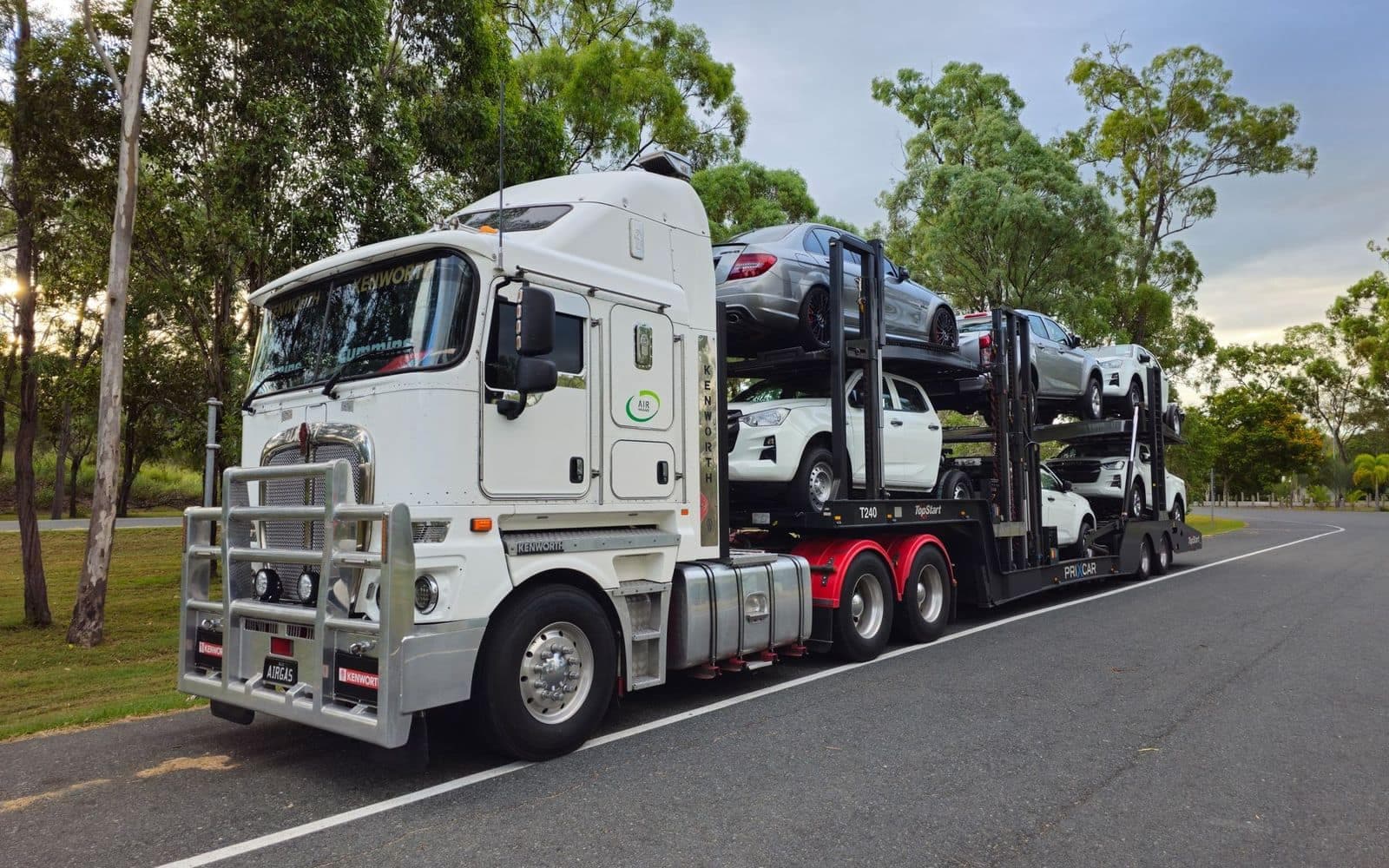
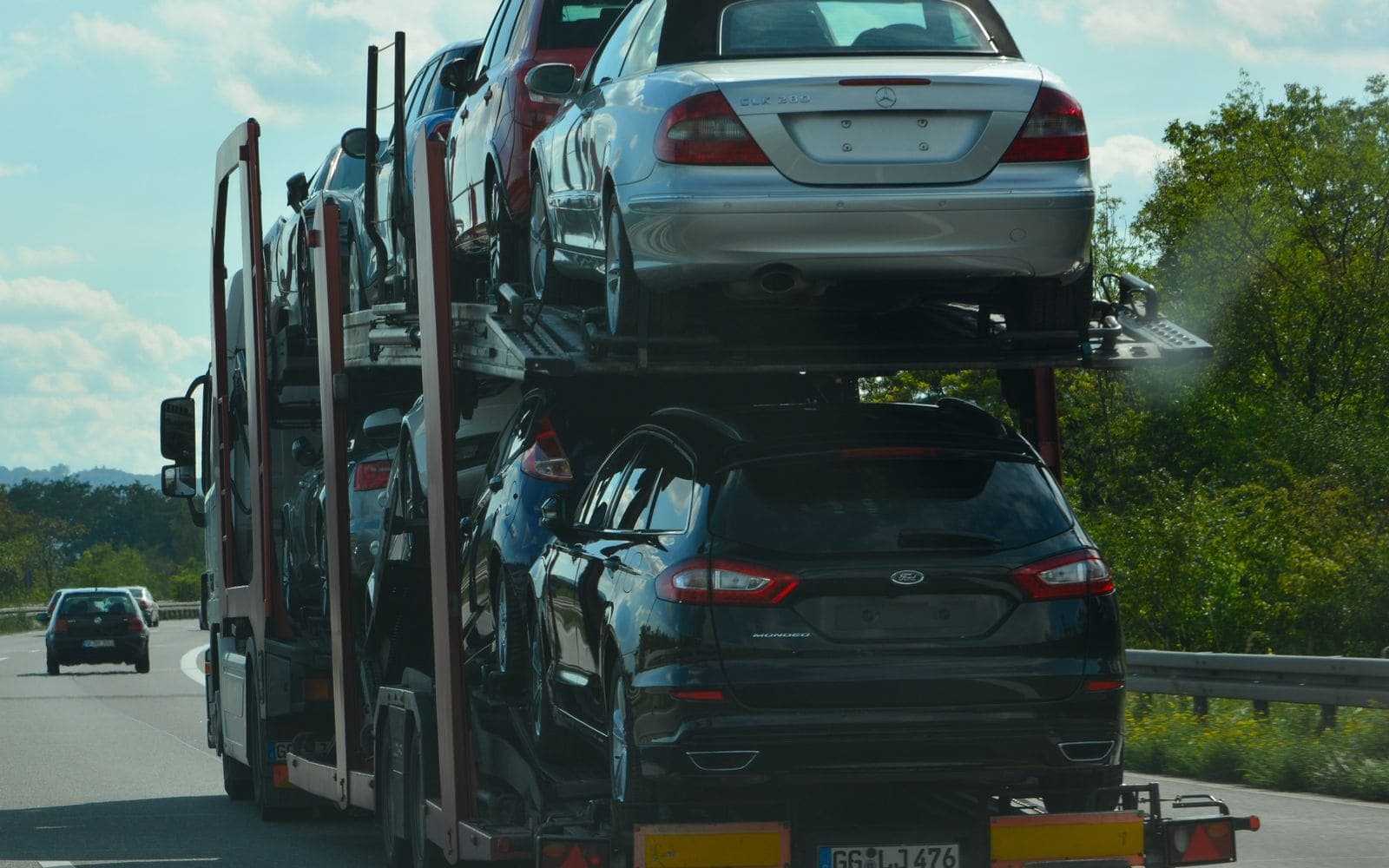
Loaded open car carrier on the road

Eight states on one interstate

A truck loads across the Los Angeles basin or San Diego, runs I-10 through Palm Springs and Phoenix to Tucson, crosses New Mexico to El Paso, then the long Texas stretch through San Antonio and Houston. Louisiana, Mississippi and Alabama follow along the Gulf, and the truck enters Florida at Pensacola. Drivers cover 450 to 550 miles a day, with stops for other customers' cars in Phoenix, the Texas metros and along the Gulf, so the Florida line is reached around day five or six.

Bay Area and Sacramento

Northern California cars either come down I-5 to join the lane in Los Angeles or take I-40 through Flagstaff and Albuquerque to Dallas and drop to I-10 in Houston. Both add about a day and $100 to $150. In winter the I-40 route crosses the Flagstaff plateau, which can close in a storm, and drivers choose accordingly.

The last day in Florida

At Tallahassee the truck turns south on I-75 for the Gulf Coast, Tampa, Sarasota, Fort Myers and Naples, or continues to Jacksonville and I-95 for the Atlantic side. Orlando is reached from either. Miami is the last stop on the load, which is why it sits at the top of the transit window.

Open vs enclosed

Open or enclosed from California to Florida?

This is the one cross-country lane with no salt and no snow, so enclosed transport is about the car, not the road: a classic, an exotic, fresh paint or a low car needing a liftgate. A week of road dust on an open deck is the only cost of shipping open, and most customers accept it for a saving of 40 to 60 percent on a $1,400 to $1,950 trip.

Cars stacked on the two levels of an open auto carrierMost popular

Open carrier

$1,400 – $1,950

Sedan on this route · Baseline price

  • Two-level trailers carrying 8–10 cars
  • Widest carrier availability, fastest pickup
  • How dealers move new cars every day
  • Exposed to weather and road dust in transit
  • Best for daily drivers, SUVs, trucks, fleet moves
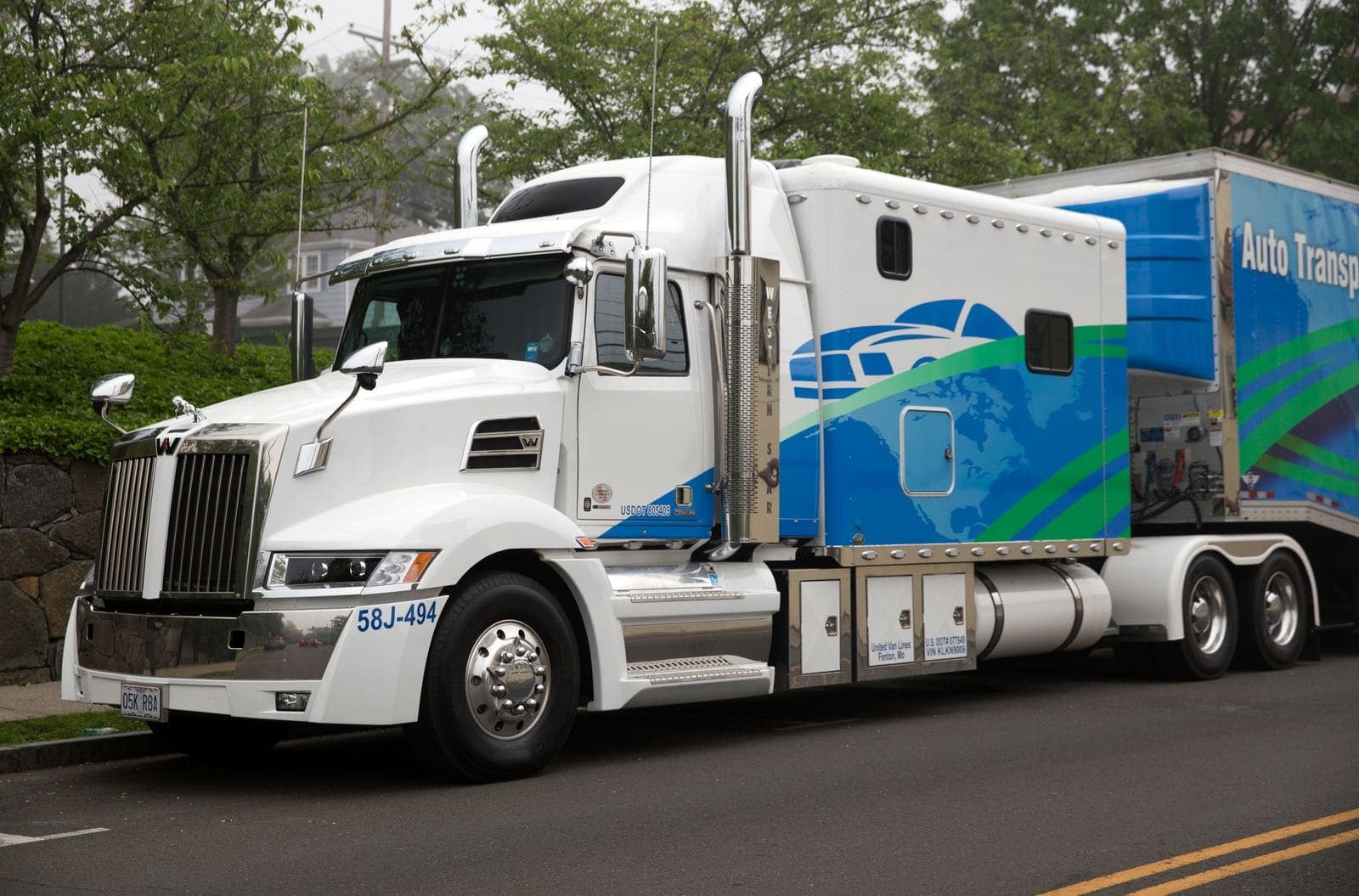
Enclosed auto transport truck parked in Greenwich, ConnecticutPremium

Enclosed carrier

$2,000 – $2,900

Sedan on this route · 40–60% more than open

  • Hard-sided trailers carrying 2–6 cars
  • Full protection from weather and debris
  • Liftgate loading for low-clearance cars
  • Typically higher cargo coverage limits
  • Best for classic, exotic, luxury and show cars
Which should I choose? Read the full comparison

Seasonality

When to book California to Florida

Peak demand runs June–August. Booking ahead of the peak keeps your price at the lower end of the range.

Carrier demand by month1 = quiet · 5 = peak
  1. Jan
  2. Feb
  3. Mar
  4. Apr
  5. May
  6. Jun
  7. Jul
  8. Aug
  9. Sep
  10. Oct
  11. Nov
  12. Dec

Outlined bar is the current month. Amber months are when carrier space sells out first.

Summer peak, winter bargain

June through August is the busy season, driven by relocations and school calendars, and prices sit at the top of the range with a fixed pickup date costing more. Two to three weeks of lead time with a three-day window keeps most customers in the lower half. November through February is the cheapest time; trucks run the lane all year and have space in winter.

Weather matters at the Florida end from August through October, when a hurricane can hold a delivery by a day or two while roads reopen, and along the Texas and Louisiana coast in the same months. Carriers wait rather than drive into it, and nothing is charged for a weather hold. Summer dust storms on I-10 in Arizona occasionally cost a few hours.

City pairs

California to Florida prices by city

The same lane priced to and from the individual metros. Each row links to the city guide with pickup notes for that area.

  • Road miles2,849 mi
    Open carrier$1,425 – $1,975
    Enclosed$2,050 – $2,875
    On the truck7–11 days
  • Road miles2,681 mi
    Open carrier$1,400 – $1,950
    Enclosed$2,025 – $2,850
    On the truck7–11 days
  • Road miles2,622 mi
    Open carrier$1,400 – $1,950
    Enclosed$2,025 – $2,850
    On the truck7–11 days
  • Road miles2,841 mi
    Open carrier$1,400 – $1,975
    Enclosed$2,050 – $2,875
    On the truck7–11 days
  • Road miles2,614 mi
    Open carrier$1,400 – $1,950
    Enclosed$2,025 – $2,850
    On the truck7–11 days
  • Road miles2,725 mi
    Open carrier$1,400 – $1,950
    Enclosed$2,025 – $2,850
    On the truck7–11 days
  • Road miles2,767 mi
    Open carrier$1,400 – $1,950
    Enclosed$2,025 – $2,850
    On the truck7–11 days
  • Road miles3,161 mi
    Open carrier$1,575 – $2,200
    Enclosed$2,275 – $3,175
    On the truck8–12 days
  • Road miles3,122 mi
    Open carrier$1,550 – $2,175
    Enclosed$2,250 – $3,150
    On the truck8–12 days
  • Road miles3,108 mi
    Open carrier$1,550 – $2,175
    Enclosed$2,250 – $3,125
    On the truck8–12 days

Running sedan on a flexible pickup window. City rows are priced from road miles on the same curve as the lane range above; SUVs add about 12%, pickups 20%.

Causeway over turquoise water toward the Miami skyline

Pickup in California, delivery in Florida

In Los Angeles the Valley, the South Bay, Orange County and the Inland Empire are direct to the door; the Westside, Hollywood, the hillsides and downtown mean a meeting point at a big-box lot near the 405 or the 10. San Diego's suburbs are simple; the beach neighborhoods and downtown are not. LAX and San Diego airport hotel lots are common handovers for people flying the same day. In the Bay Area, San Jose and the Peninsula are direct, San Francisco is always a meeting point, and the East Bay is direct outside the Oakland and Berkeley hills. Sacramento's suburbs are direct to the door.

At the Florida end, Orlando's suburbs, Tampa Bay, Jacksonville and the Space Coast take a truck at the door outside the gated developments, where the driver meets you at the gate or a nearby plaza. Naples, Fort Myers and Sarasota are largely gated and follow the same routine. Miami, Fort Lauderdale and the Palm Beaches are condo towers and gates; the driver arranges a lot near I-95 or the building's loading area with the manager. Port-area deliveries are scheduled early to beat traffic.

A key and a photo ID at pickup are all the driver needs. The California title and registration stay with you; a financed or leased car ships within the country without lender approval; Florida registration is your errand after delivery. Name whoever will receive the car if you are flying ahead of it, and give them the pickup photos and the driver's number.

After delivery

Registering a car after it arrives in Florida

Shipping to Florida: the paperwork Florida asks of a new resident, so you can book the DMV visit for the week the car lands rather than discover it at the counter.

  • Registration deadline

    Register within 30 days of establishing residency, taking a job or enrolling children in school.

  • VIN verification

    VIN and odometer verification is required for a vehicle titled out of state (form HSMV 82042), completed by a law-enforcement officer, a licensed Florida dealer or a notary; it can be done before the car ships or after it arrives.

  • Inspections

    No periodic safety or emissions inspection.

  • Also worth knowing

    Proof of Florida insurance is required before the county tax collector will register the car. Bring the out-of-state title.

Source: Florida Highway Safety and Motor Vehicles (FLHSMV) . Checked September 15, 2026. Deadlines and inspection rules change; confirm on the official page before you go.

Related

Going the other way, or shipping nearby?

Pacific Coast Highway curving along the California coastline

Pickup state

California auto transport

The largest outbound state, with daily carrier departures east on I-10 and I-40.

State guide
Causeway over turquoise water toward the Miami skyline

Delivery state

Florida auto transport

The busiest inbound car shipping state in the country, from October through January.

State guide

Questions

California to Florida car shipping questions

Not covered here? A specialist can answer route-specific questions in a couple of minutes.

888-706-8784

$1,400–$1,950 for a running sedan on an open carrier and $2,000–$2,900 enclosed, for about 2,730 miles. Los Angeles and San Diego to Orlando or Tampa are the low end; the Bay Area to Miami the high end. SUVs and pickups add 12–20%.

Guides

Before you ship California to Florida

  • Interstate highway stretching to the horizon

    7 min read

    How Long Does It Take to Ship a Car?

    Most shipments deliver 1–3 days after pickup for under 500 miles, 3–5 days for 1,000–1,500 miles and 7–10 days coast to coast. Add 1–5 days for the carrier to be assigned and reach you.

    Read the guide
  • Rows of vehicles in a dealer lot

    8 min read

    How to Ship a Car You Bought Online or Out of State

    Confirm the seller or dealer will release the car to a carrier, get the pickup contact and hours, ship on an open carrier for most purchases, and inspect on delivery before the driver leaves. Expect $550–$2,000 depending on distance.

    Read the guide
  • SUV being winched onto an open carrier

    7 min read

    How to Prepare a Car for Shipping: 12-Point Checklist

    Wash the car, photograph every panel, leave a quarter tank of fuel, remove personal items and toll tags, fold in mirrors, note existing damage on the Bill of Lading, and hand over one set of keys.

    Read the guide

Ready to ship California to Florida?

Carriers on this lane are quoting $1,400–$1,950 for a running sedan. Lock in a pickup window in about a minute.

Average response time under 5 minutes during business hours (Mon–Sun 7am–9pm ET).

Last updated September 12, 2026 · Written by the AutoShippingUS Editorial Team · Reviewed by Christofer Whiteman, Editor · Industry review by Sarah Williams, Independent auto transport consultant, 20 years in the industry

Call NowGet Quote