What is the difference between a broker and a carrier?
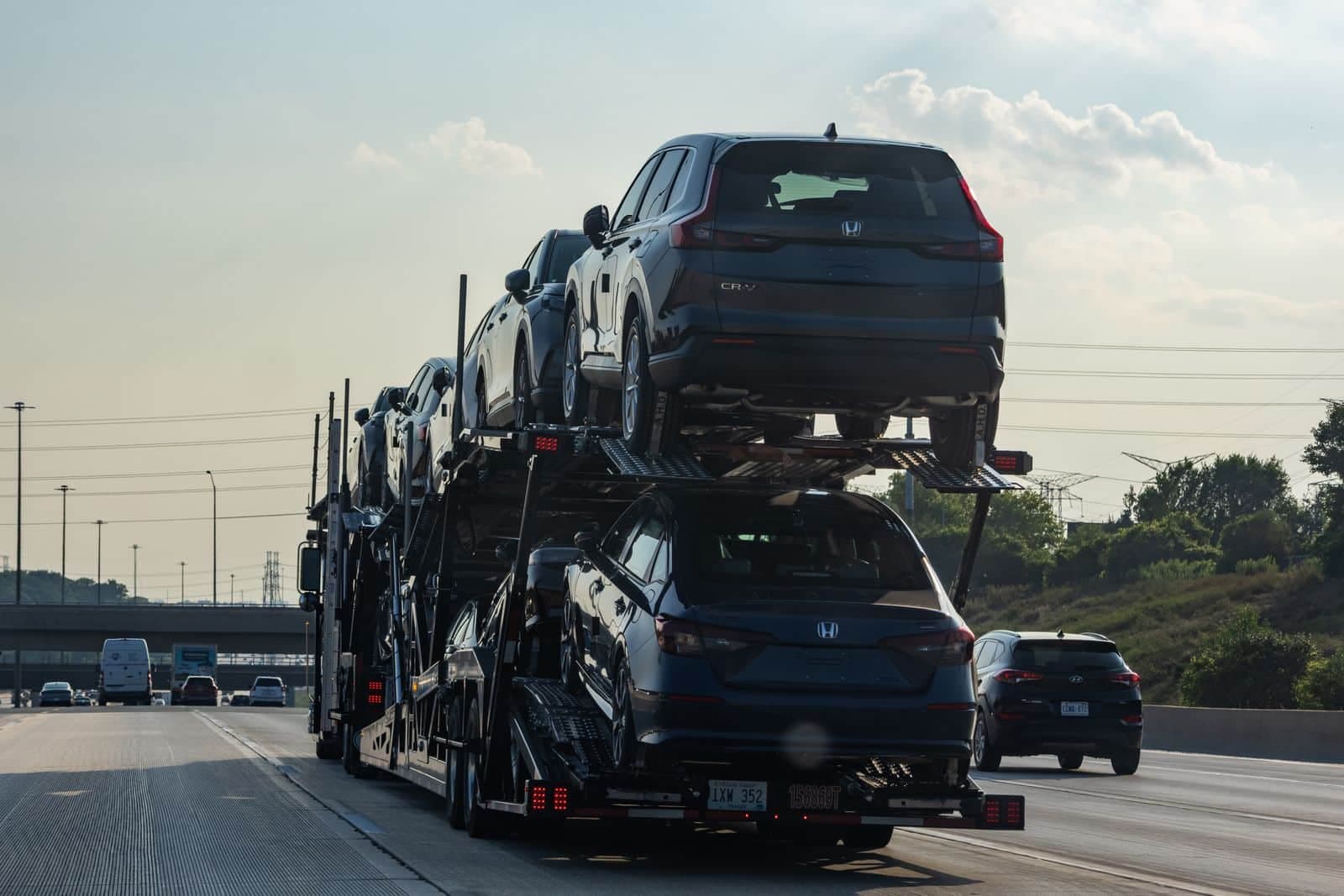
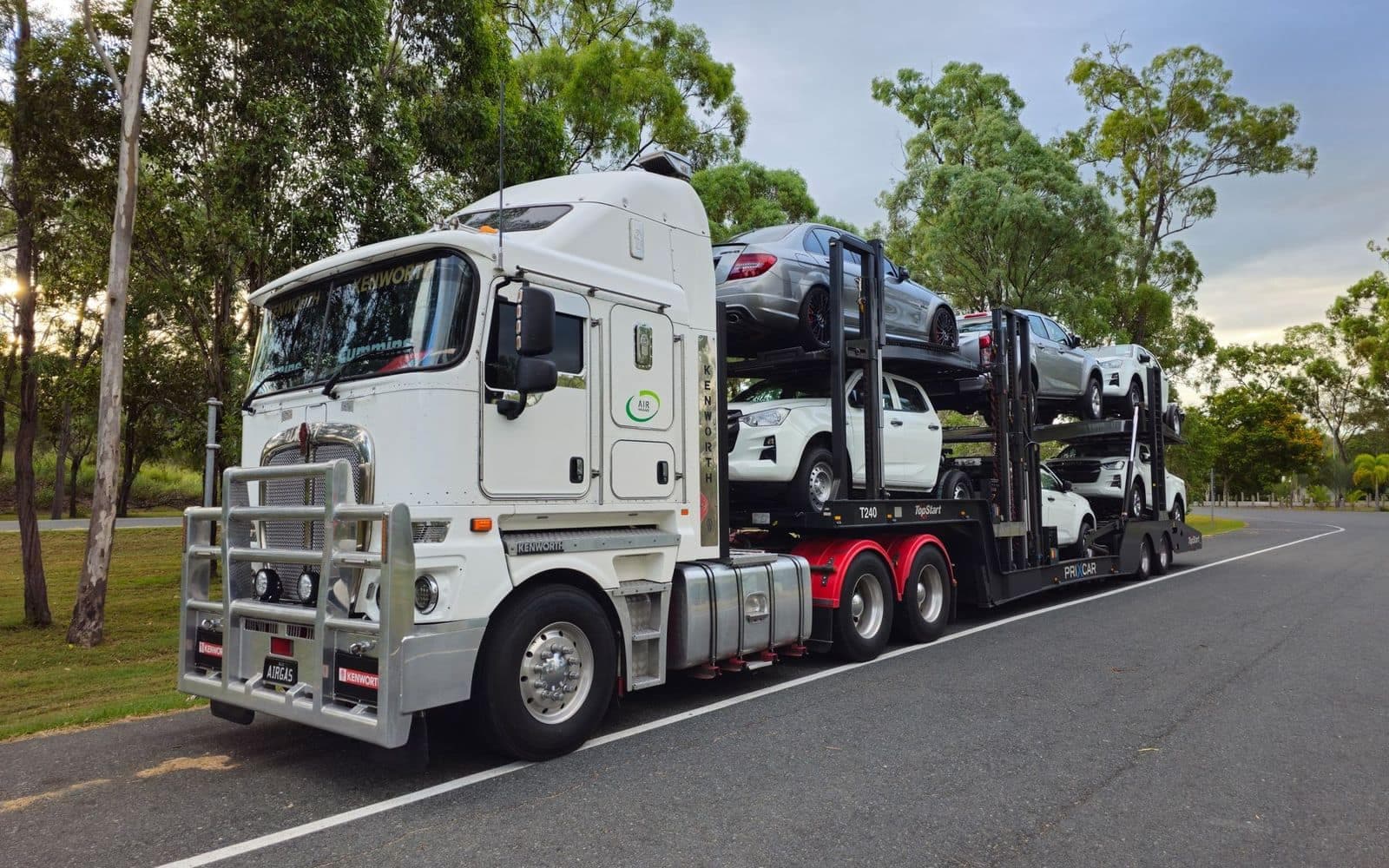
A carrier owns car-hauling trucks, employs or contracts the drivers, holds federal motor carrier authority and cargo insurance, and physically moves your vehicle. Most are small: a few trucks, sometimes one, running the same corridor week after week.
A broker does not own trucks. It holds federal broker authority and a surety bond, takes your booking, and matches it to a carrier that is already running your lane with space on its deck. The broker confirms the price with you, hands the carrier your details, and manages the shipment: tracking, rescheduling, and the claim if something goes wrong.
Nearly every private shipment in the country involves both. A carrier with three trucks running Chicago to Florida cannot market to the whole Midwest, answer the phone all day and still drive; brokers do that part, and carriers fill their trucks from the loads brokers post. AutoShippingUS is a broker, and the disclosure on every page of this site says so.
Why does a carrier not just sell to me directly?
Some do, and on their own lane it works. But carriers run fixed routes on fixed weeks, and most people are not shipping on that route that week. A carrier that quoted every enquiry directly would spend its day saying no. So carriers publish their available space to a national marketplace that brokers use, and brokers do the matching. The customer sees one phone number and one price; the carrier sees a full truck.
The economics are the same either way. A carrier prices a load to cover fuel, the driver's time and a margin for the route it is already running. Whether that load comes from a broker or a walk-up customer, the carrier wants the same amount. A broker's fee comes out of the carrier's price as a commission for filling the slot, not as a line added to your bill.
Ready to get a number for your car?
Sixty seconds in the form and a specialist calls with a firm quote from a licensed carrier within business hours.
How does the money flow?
You accept a price from the broker. When a carrier is assigned, some brokers charge a deposit by card; others, including us, charge nothing at all. The balance is paid to the carrier at delivery, by cash, cashier's check or card depending on the carrier, and the price is written on the bill of lading you signed at pickup. The carrier pays the broker its commission from that. There is no separate broker fee for you.
This is why a large, non-refundable deposit charged at booking, before a carrier exists, is a warning sign. A broker with a real carrier lined up does not need your money in advance; a broker that has not found a carrier and is hoping to should not have it.
What makes a good broker?
Transparency about the carrier. You should know the carrier's name, DOT number (which you can check on the FMCSA SAFER register) and insurance certificate before the truck arrives, and you should be able to check them on the federal register yourself. A broker that will not say which carrier has your car is either not sure or does not want you to look.
Honest prices. A good broker quotes inside the range that carriers actually accept for your lane, and explains why if the number is higher: a rural pickup, a fixed date, a big vehicle, peak season. A broker that quotes far below the range is planning to raise the price later.
A person who answers. The broker's real job starts after booking: the driver is late, the community gate is locked, the receiver's flight is delayed, there is a scrape at delivery. One phone number that reaches a specialist who can reach the carrier's dispatch is worth more than any promise on a website.
Regulation. Federal broker authority and a surety bond on file, a physical address, and a history on the register that matches the history on the website.

When should I book directly with a carrier?
When a carrier you can verify runs your exact lane on your dates and has space. If a neighbour used a carrier for the same Boston-to-Naples trip last fall and the truck is coming through again, that is a fine way to ship. It is also common for repeat corporate and dealer shipments on one corridor.
The limits are the ones above. The carrier will only take the load if it fits its route, so the wait can be longer. You are your own dispatcher, so if the truck breaks down or the driver is delayed you are the one on the phone. The price is not usually lower, because the carrier prices the slot the same way. And you must do the verification yourself: authority, insurance, the certificate dated for your trip.
What are the questions to ask before booking?
Are you a carrier or a broker, and if a broker, will I know the carrier's name and DOT number before pickup? What does the price include, and is there a deposit to you? What is the pickup window, and what happens if no carrier accepts the price you quoted? What happens if my dates change? Who do I call at seven on a Saturday evening if the driver has not arrived? And, if a company describes itself as a carrier, will my car be on your truck or someone else's?
Good answers to all six take a minute. A company that cannot give them is telling you how the shipment will go.
How does AutoShippingUS fit?
We are a broker with a network of licensed, insured carriers. Your route is measured as you type, before you enter a phone number. A named specialist confirms a firm price with a carrier already running your route, tells you who the carrier is and shows you its insurance certificate before pickup, and stays with the shipment until the car is signed for at delivery. You pay us nothing; the carrier's price on the bill of lading is the whole price. That is what a broker is for, and it is the standard we hold ourselves to on every page of this site.
AutoShippingUS Editorial Team
Logistics research and pricing desk. Pricing and timing figures are refreshed from carrier quotes each season.
Reviewed by Christofer Whiteman, Content Editor, AutoShippingUS.
Industry review by Sarah Williams, Independent auto transport consultant, 20 years in the industry.
Last updated September 12, 2026 · Written by the AutoShippingUS Editorial Team · Reviewed by Christofer Whiteman, Editor · Industry review by Sarah Williams, Independent auto transport consultant, 20 years in the industry