Why does preparation matter for a shipped car?
Because three things happen at pickup that you cannot redo. The driver records the car's condition on the inspection report, which is the baseline for any damage claim. The driver weighs up whether the car and its contents match what was booked, which is where surprise fees come from. And the car is loaded onto a deck where it will sit, mostly untouched, for one to ten days. Twenty minutes of preparation makes all three go smoothly, and the checklist below is what carriers wish every customer did.
The exterior: wash, photograph, remove
Wash the car a day or two before pickup. The inspection report is a diagram on which the driver marks every existing scratch, chip and dent. On a dirty car they cannot see them, which means they are not recorded, which means a scratch you notice at delivery has no evidence that it is new.
Then photograph the car in daylight: each panel straight on and at an angle, all four wheels, the windshield and glass, the roof, the interior, the dashboard with the odometer and fuel gauge showing. Keep the images on your phone and email them to yourself. This takes five minutes and is the single most useful thing you will do.
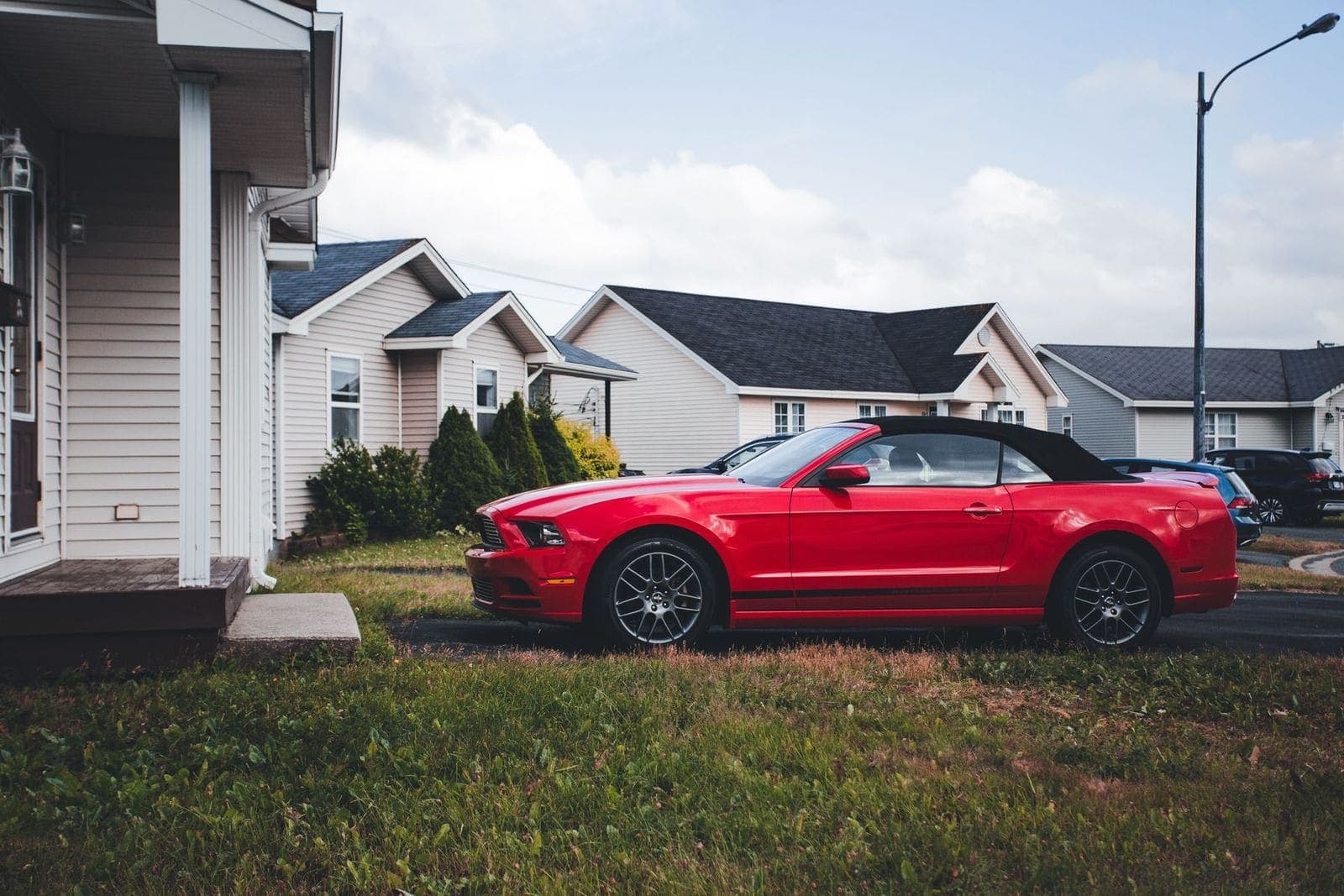
Remove or secure anything that sticks out or could move. Roof racks and cargo boxes come off or are declared, since they change the car's height and the deck it can ride on. Bike racks, tonneau covers that are not locked down, antennas that unscrew, custom spoilers that are not bolted, all come off. Fold the mirrors if they fold. If the car has a convertible top, make sure it is closed and latched; a fabric top that lifts at highway speed tears.
Ready to get a number for your car?
Sixty seconds in the form and a specialist calls with a firm quote from a licensed carrier within business hours.
The interior: belongings, tags, alarms
Belongings are the most common cause of friction at pickup. Federal rules do not allow car haulers to carry household goods, and cargo insurance does not cover them. Most carriers tolerate up to about 100 pounds in the trunk or below the window line. Above that you may pay a fee, be asked to unload, or be refused. Ship boxes separately; it is cheaper than a weight surcharge and they will be insured.
Remove the toll transponder or seal it in its foil bag. A truck running I-95 passes gantries every few miles, and each one bills the tag in your windshield. Remove parking passes, garage remotes and anything valuable from the glovebox. Take out air fresheners that could fall and roll under a pedal.
Disable the alarm, or if you cannot, leave the driver written instructions. Note anything unusual about starting or driving the car: a sticky ignition, a manual gearbox, a kill switch, a battery disconnect. The driver moves the car on and off the truck; surprises there cost time.
Mechanicals: fuel, fluids, tires, battery
Fuel at about a quarter of a tank. That is enough to load, unload and drive to a meeting point, and light enough to keep the truck under its weight limits. Check for leaks and fix an active one; a car dripping oil onto the vehicle below on an open carrier can be refused. Inflate the tires to normal pressure. Make sure the battery holds a charge; a car that will not start on pickup morning becomes a winch job, which is a surcharge and sometimes a different truck. If the car will sit for weeks after delivery, that is a job for the receiver, not the shipment.
Top off washer fluid and coolant if you like, but there is no need to service the car before shipping. It is driven a few hundred feet, not a thousand miles.
Paperwork and keys
Have a copy of the registration and your insurance card in the car or with the person handing it over. The driver does not need the title. If someone other than the registered owner is handing over or receiving, name them at booking and give them the driver's number and the pickup photos. Hand the driver one working key; keep the spare. Get the key back at delivery.
Read the bill of lading before signing at pickup. It records condition, mileage, the agreed price and the delivery terms. Keep your copy; you will compare it at delivery.
What is different for special vehicles?
Electric vehicles ship at 30 to 60 percent charge, not full, and the driver needs to know how to put the car in transport or neutral mode. Weight is higher than a similar petrol car and is already reflected in the price if you declared the model.
Classics and exotics go enclosed, and low cars need a liftgate, so say so at booking. Remove or secure anything delicate. If the car has a battery cutoff, show the driver.
Lifted trucks, oversized tires and roof-mounted equipment change the car's height and weight class; declare them so the right truck is sent.
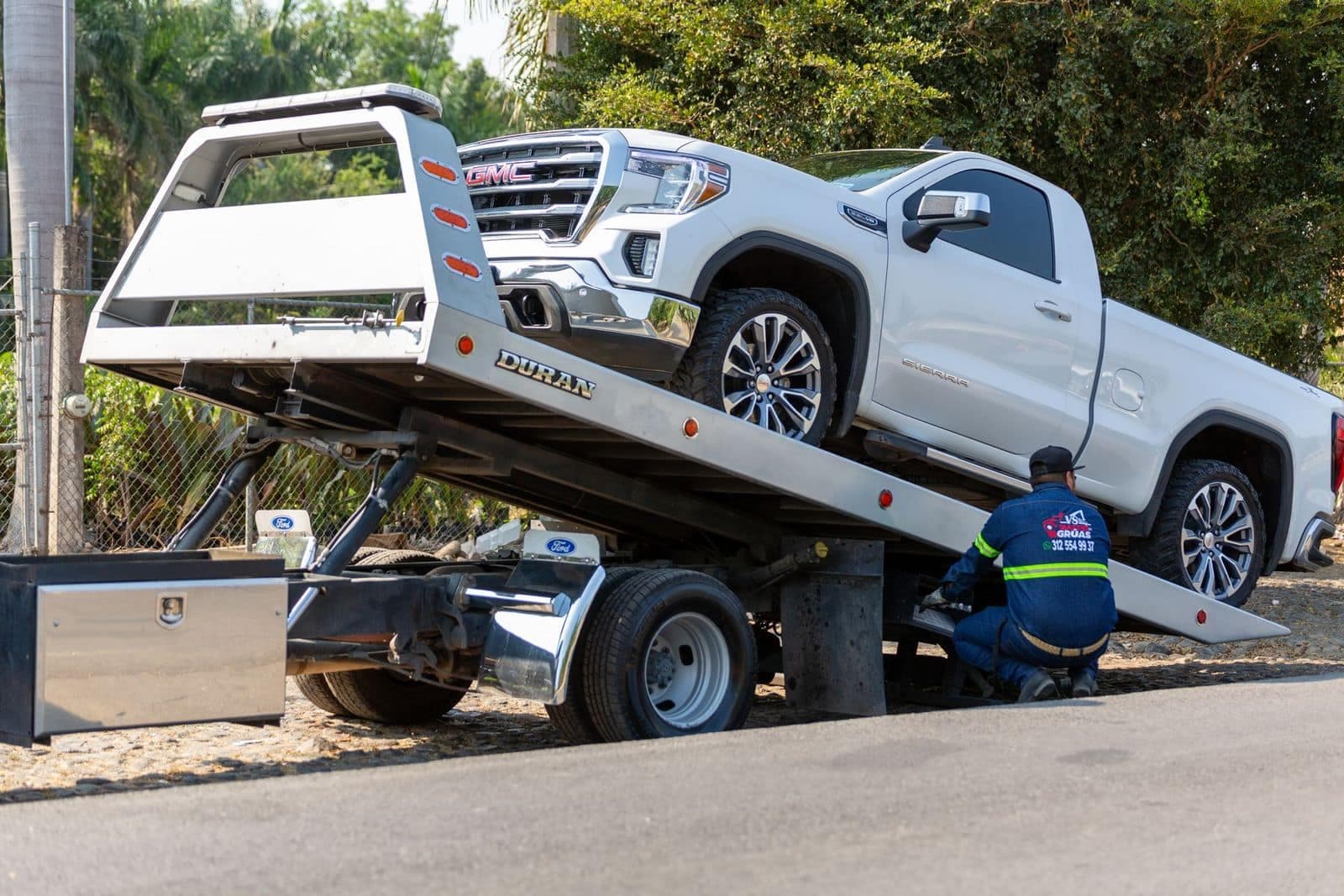
Cars that do not run need a winch. They must roll, steer and brake; keep the tires up, do not leave the steering locked, and make sure the parking brake releases. Tell your specialist whether the car has ever run so the driver knows what to expect.
The 15-point checklist
Wash the exterior. Photograph every panel, the wheels, the glass, the interior and the odometer. Remove roof boxes, racks and loose accessories. Fold mirrors, close the top. Empty the car or keep belongings under 100 pounds below the window line. Remove the toll transponder and parking passes. Disable the alarm. Fuel at a quarter tank. Check for leaks. Inflate the tires. Confirm the battery holds a charge. Set aside one key and keep the spare. Put a copy of the registration and insurance card in the car. Name the person at each end and share the photos. Read and keep the bill of lading. Then meet the truck.
AutoShippingUS Editorial Team
Logistics research and pricing desk. Pricing and timing figures are refreshed from carrier quotes each season.
Reviewed by Christofer Whiteman, Content Editor, AutoShippingUS.
Industry review by Sarah Williams, Independent auto transport consultant, 20 years in the industry.
Last updated September 12, 2026 · Written by the AutoShippingUS Editorial Team · Reviewed by Christofer Whiteman, Editor · Industry review by Sarah Williams, Independent auto transport consultant, 20 years in the industry